Robotaxi Services Put the 'Auto' In Autonomous
Companies Mentioned
Why It Matters
The race to commercialize robotaxis will reshape urban mobility, creating new revenue streams and setting safety standards that could dictate the future of transportation. Investors and regulators are watching closely as these pilots determine the scalability of fully autonomous ride‑hailing.
Key Takeaways
- •Waymo operates 800+ AVs across 260‑square‑mile San Francisco area.
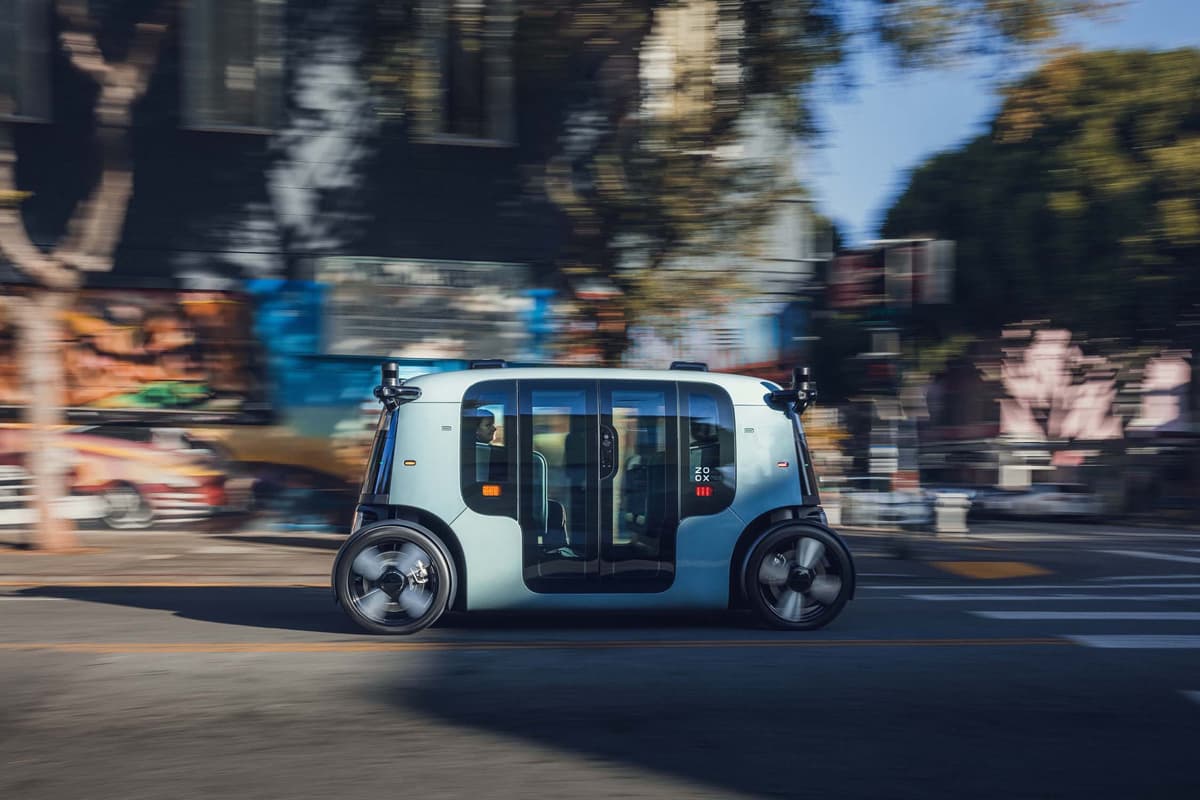
- •Zoox’s purpose‑built robotaxi features symmetrical design and dual 67‑kWh batteries.
- •Tesla’s Robotaxi relies solely on cameras, omitting radar and lidar.
- •Waymo’s sensor suite combines camera, radar and lidar for all‑weather perception.
- •NHTSA granted Zoox a waiver to test steering‑wheel‑less vehicles.
Pulse Analysis
The autonomous‑vehicle market is entering a pivotal phase as Waymo cements its lead with an 800‑vehicle fleet that now spans five major U.S. metros. Its hybrid sensor architecture—melding cameras, radar and lidar—offers robust perception in fog, rain and night, a critical advantage in a city like San Francisco where weather can impair vision. By partnering with Magna to outfit Jaguar and Zeekr chassis, Waymo leverages existing manufacturing capacity while maintaining control over its proprietary software stack, a model that balances scalability with technological differentiation.
Zoox, backed by Amazon, pursues a contrasting strategy: a purpose‑built robotaxi that eliminates the driver’s cockpit entirely. The vehicle’s mirrored front‑and‑rear modules each house a 67‑kWh battery, a 134‑hp motor and independent steering, creating redundancy that could boost uptime and safety. Although the NHTSA waiver currently limits Zoox to demonstration runs, the company’s design philosophy—optimizing interior space and maneuverability—positions it to compete in dense urban corridors once full regulatory approval is secured. This approach underscores a broader industry debate over retrofitting existing cars versus engineering vehicles from the ground up for autonomy.
Tesla’s Robotaxi takes a cost‑focused route, discarding radar and lidar in favor of a camera‑only perception stack. While this reduces hardware expense and simplifies supply chains, it raises questions about performance in low‑light or adverse weather conditions where lidar excels. The company’s incremental rollout—first in Texas, then the Bay Area—serves as a live test of whether pure‑vision AI can meet safety expectations without supplemental sensors. As investors weigh capital efficiency against risk, the divergent paths of Waymo, Zoox and Tesla illustrate the trade‑offs shaping the next decade of driverless mobility, from sensor suites and vehicle architecture to regulatory clearance and public trust.
Robotaxi Services Put the 'Auto' in Autonomous
Comments
Want to join the conversation?
Loading comments...