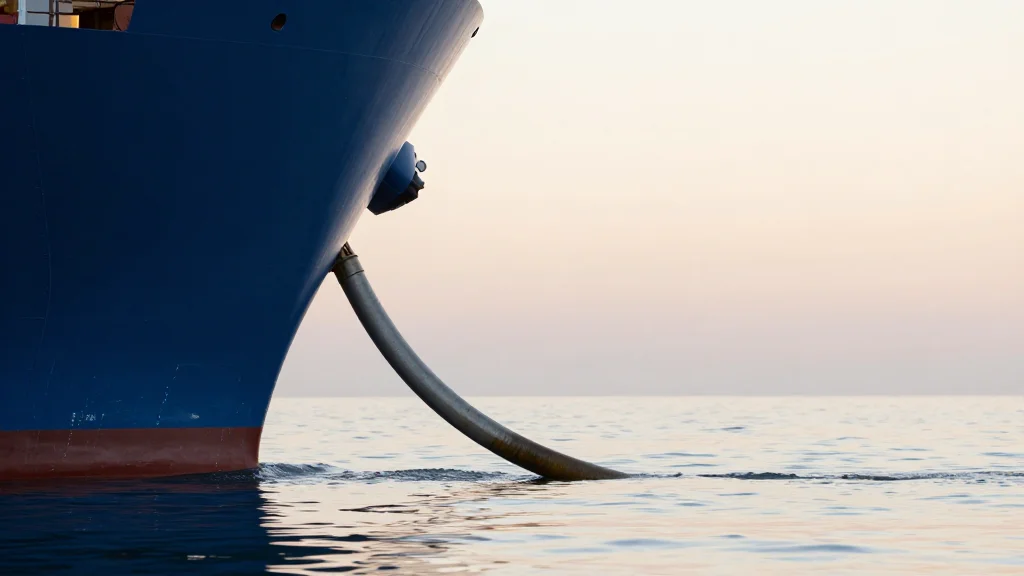
Ships at L.A.'s Ports Face a Fuel Shock That's Shaking the Economy
Companies Mentioned
Why It Matters
Rising bunker costs tighten margins for shipping lines and lift downstream prices, adding a new inflationary pressure to the U.S. supply chain. The shock underscores the vulnerability of West Coast logistics to geopolitical disruptions in global oil markets.
Key Takeaways
- •LA port bunker fuel prices up 88% since Iran conflict began
- •Fuel now accounts for ~25% of total voyage cost from Asia
- •Shipping firms add surcharges, raising consumer prices across supply chain
- •Slower vessel speeds and route changes aim to cut fuel burn
- •Ports handle $600B cargo annually despite rising fuel costs
Pulse Analysis
The sudden escalation in bunker fuel prices stems from the closure of the Strait of Hormuz and heightened geopolitical risk in the Middle East. With the strait blocked, global oil supplies have tightened, driving up the price of very low‑sulfur fuel oil—a critical input for the massive container vessels that call at Los Angeles and Long Beach. California’s additional taxes, environmental fees, and stricter emissions standards amplify the cost differential, making West Coast bunker rates roughly 20% higher than other U.S. ports. This regional premium reflects both supply constraints and regulatory burdens, creating a perfect storm for shippers.
For importers and logistics providers, the immediate response has been a cascade of cost‑pass‑through mechanisms. Major carriers such as Maersk and Hapag‑Lloyd have introduced emergency bunker surcharges, while domestic players like Amazon and the U.S. Postal Service have added fuel and logistics fees ranging from 3.5% to 8%. These surcharges, combined with slower steaming tactics designed to conserve fuel, erode profit margins and shift expense risk downstream. As fuel now consumes a quarter of a voyage’s total cost, any further volatility will likely translate into higher freight rates, squeezing manufacturers and retailers that rely on timely, affordable cargo movement.
Looking ahead, the fuel shock could accelerate strategic shifts in U.S. maritime logistics. Ports may intensify efforts to diversify fuel sources, invest in on‑site storage, or adopt alternative low‑carbon fuels to reduce dependence on volatile Middle Eastern crude. Policymakers could consider temporary tax relief or infrastructure incentives to cushion the economic impact. Meanwhile, the sustained price pressure adds a new layer to inflation calculations, reinforcing the need for supply‑chain resilience as global energy geopolitics remain unpredictable.
Ships at L.A.'s ports face a fuel shock that's shaking the economy
Comments
Want to join the conversation?
Loading comments...