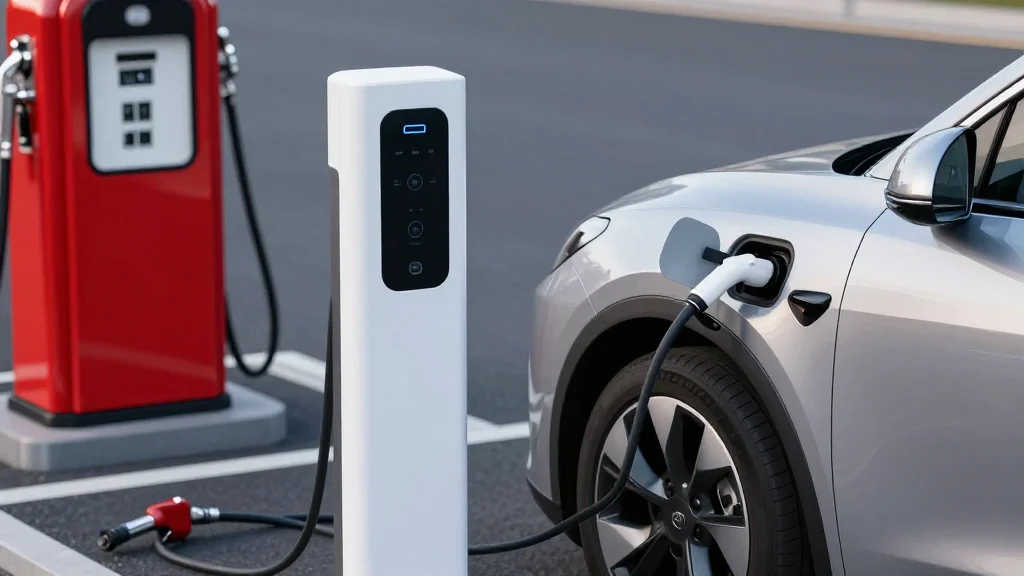
Soaring Gas Prices Have Drivers Turning to EVs — Except in the US
Companies Mentioned
Why It Matters
The price gap threatens to widen the competitive advantage of Chinese manufacturers in global markets while stalling U.S. EV adoption and pressuring domestic automakers to confront tariff and policy barriers.
Key Takeaways
- •European EV sales up 27% YoY in April 2026.
- •Chinese EVs under $25k dominate Europe, not US.
- •US new EVs start near $30k, limiting affordability.
- •Half of US shoppers prefer Chinese models over Tesla.
- •100% tariff blocks Chinese EVs from US market.
Pulse Analysis
The Iran conflict has sent crude oil prices soaring, prompting drivers in price‑sensitive regions to reconsider their fuel choices. In Europe, the combination of higher pump prices and a flood of low‑cost Chinese electric cars—many priced at $25,000 or less—has ignited a rapid rebound in EV sales after a brief global dip. Analysts attribute the 27% year‑over‑year growth in April largely to these affordable imports, which have reshaped market dynamics and pressured legacy manufacturers to accelerate their electrification strategies.
Across the Atlantic, U.S. consumers face a starkly different landscape. While used EVs now compete with gasoline‑powered equivalents, new‑car options remain pricey, with the Nissan Leaf hovering just under $30,000. A 100% tariff on Chinese vehicles, coupled with stringent national‑security rules, effectively bars the $25,000‑plus Chinese models that dominate European showrooms. Despite this, data from Cars.com, CarGurus, and a Cox Automotive survey reveal a surge in online EV searches and a clear preference for Chinese designs such as Geely’s Xingyuan and BYD’s Seagull, indicating latent demand that current policy constraints suppress.
The divergence has profound implications for the U.S. auto industry and policymakers. Domestic manufacturers fear a flood of low‑cost Chinese EVs could erode market share, especially as the federal tax‑credit landscape remains uncertain. Meanwhile, political signals—like former President Trump’s openness to Chinese investment with American labor—hint at potential shifts in trade posture. If tariff barriers ease, the U.S. could see a rapid influx of affordable EVs, accelerating the nation’s decarbonization goals but also reshaping competitive dynamics for legacy automakers. Stakeholders must weigh the trade‑off between protecting domestic production and fostering broader consumer adoption of electric mobility.
Soaring gas prices have drivers turning to EVs — except in the US
Comments
Want to join the conversation?
Loading comments...