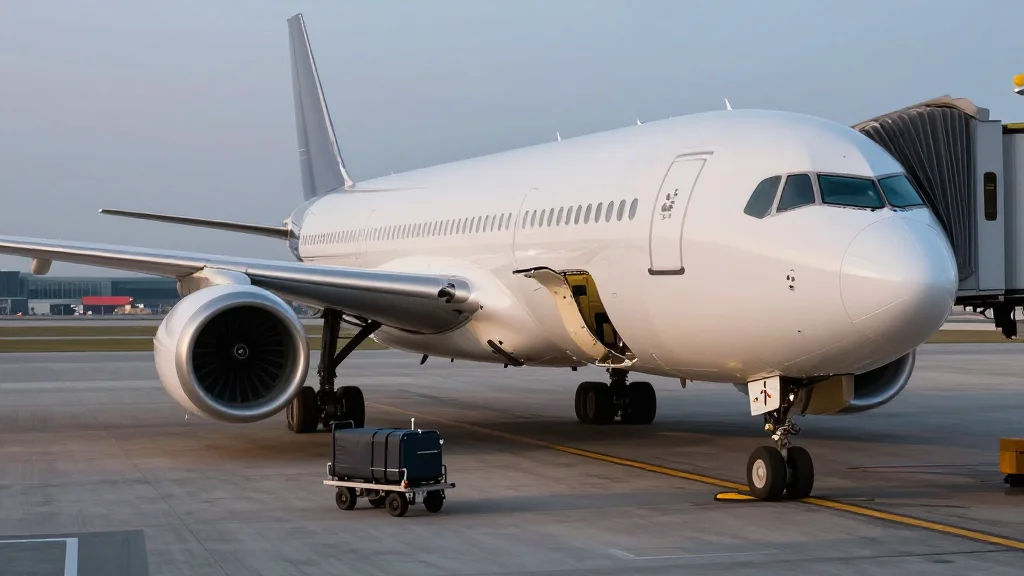
Spirit Airlines Shuts Down After Bankruptcy, Threatening 17,000 Jobs

Companies Mentioned
Why It Matters
The demise of Spirit Airlines sends a shockwave through the U.S. aviation sector, highlighting the fragility of the ultra‑low‑cost model when faced with sustained cost pressures. With fuel prices climbing and consumer confidence fluctuating, other discount carriers may find it harder to secure financing, potentially curbing the aggressive fare wars that have benefited price‑sensitive travelers. Beyond economics, the bankruptcy underscores the human impact of airline failures. Approximately 17,000 jobs are at stake, affecting not only airline staff but also ancillary workers at airports, maintenance providers, and regional tourism operators that rely on Spirit’s network. The situation may prompt policymakers to revisit consumer protection rules and labor safeguards in the airline industry, aiming to mitigate the fallout from future collapses.
Key Takeaways
- •Spirit Airlines ceased all flights on May 8, 2026 after a failed rescue deal.
- •Bankruptcy puts roughly 17,000 jobs at risk, including about 14,000 direct employees.
- •Passengers with credit/debit card purchases receive automatic refunds; voucher holders await court decisions.
- •First major U.S. airline collapse in 25 years, shaking the ultra‑low‑cost market.
- •Potential sale of Spirit’s aircraft fleet and airport slots could reshape route competition.
Pulse Analysis
Spirit’s abrupt exit from the market illustrates the razor‑thin margins that define the ultra‑low‑cost segment. While the model thrives on high load factors and ancillary revenue, it leaves carriers exposed to external shocks such as fuel price spikes and macro‑economic downturns. Spirit’s repeated reliance on Chapter 11 protection signaled underlying structural weaknesses that investors and lenders eventually could not ignore.
Historically, airline bankruptcies have led to industry consolidation, with stronger players absorbing valuable assets at discounted prices. In Spirit’s case, its slot holdings at congested hubs like Detroit and Las Vegas are likely to attract interest from legacy carriers seeking to expand their domestic footprint without the regulatory hurdles of new slot allocations. The sale of its fleet could also accelerate aircraft retirement trends, as lessors may opt to replace older 737‑800s with newer, more fuel‑efficient models, further pressuring competitors to modernize.
Looking forward, the fallout may prompt a reassessment of financing structures for discount carriers. Lenders could demand higher equity cushions or impose stricter covenants, limiting aggressive expansion plans. Meanwhile, regulators may feel pressure to strengthen consumer protection mechanisms, ensuring that passengers receive timely refunds and that airlines maintain sufficient liquidity buffers. The Spirit case could become a benchmark for future policy debates on airline solvency and passenger rights, shaping the next era of U.S. air travel.
Spirit Airlines Shuts Down After Bankruptcy, Threatening 17,000 Jobs
Comments
Want to join the conversation?
Loading comments...