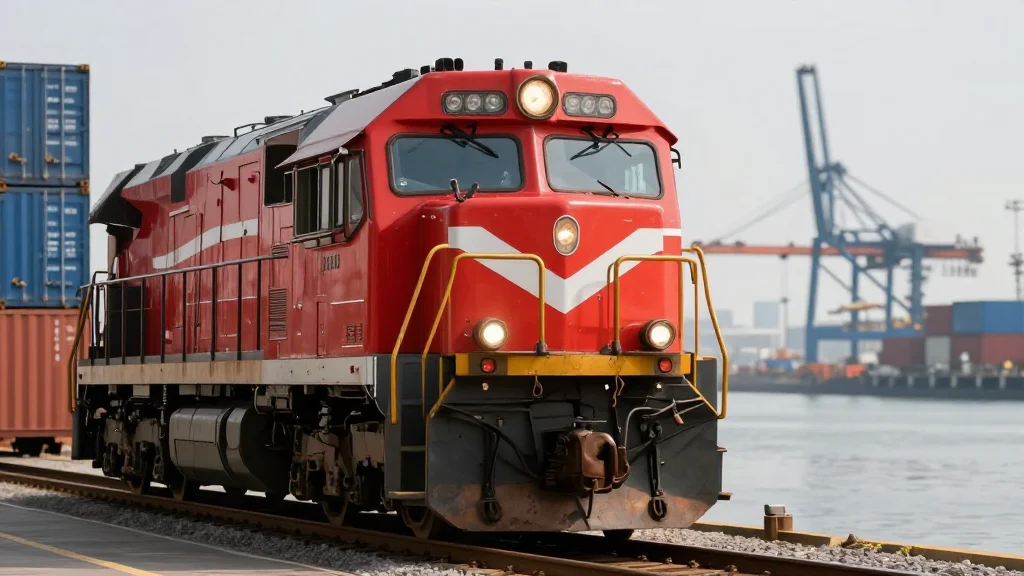
STB Rules for Norfolk Southern in Dispute with CSX at Port of Virginia
Companies Mentioned
Why It Matters
By keeping the status quo, the STB safeguards competition that drives lower shipping costs and reliable service for shippers using the East Coast gateway. The outcome signals that regulators will resist moves that could concentrate terminal control in a single rail carrier.
Key Takeaways
- •STB denies CSX direct on‑dock access at Norfolk International
- •CSX must use NPBL, a short line controlled by NS
- •Decision maintains rail competition structure established in 1980s
- •Direct access could have lowered intermodal transit times
- •Regulators emphasize preserving market balance over exclusive control
Pulse Analysis
The Port of Virginia is a critical intermodal gateway, handling roughly 5 million TEUs annually and serving as a conduit for U.S. imports from Asia and Europe. Rail access to Norfolk International Terminals directly influences supply‑chain efficiency, as carriers compete to offer the fastest, most cost‑effective drayage to inland distribution centers. By upholding Norfolk Southern’s existing access rights, the STB reinforces a dual‑carrier model that historically has kept freight rates in check and prevented bottlenecks that could arise from a single‑carrier monopoly.
Regulatory precedent matters as the STB balances market competition with infrastructure realities. The board’s decision reflects a broader policy trend of scrutinizing requests that could grant one railroad disproportionate control over terminal facilities. While CSX argues that direct on‑dock service would streamline operations and reduce dwell times, the STB weighed those benefits against the risk of eroding the competitive landscape that has fostered investment in rail capacity and service innovation over the past four decades.
For shippers and logistics providers, the ruling signals continuity rather than disruption. Existing service contracts and routing plans through NPBL remain valid, ensuring that freight volumes continue to flow without immediate operational upheaval. However, the decision may prompt both carriers to explore alternative efficiency gains, such as upgraded signaling, collaborative scheduling, or investments in adjacent terminal assets, to stay competitive in a market where speed and cost remain paramount.
STB rules for Norfolk Southern in dispute with CSX at Port of Virginia
Comments
Want to join the conversation?
Loading comments...