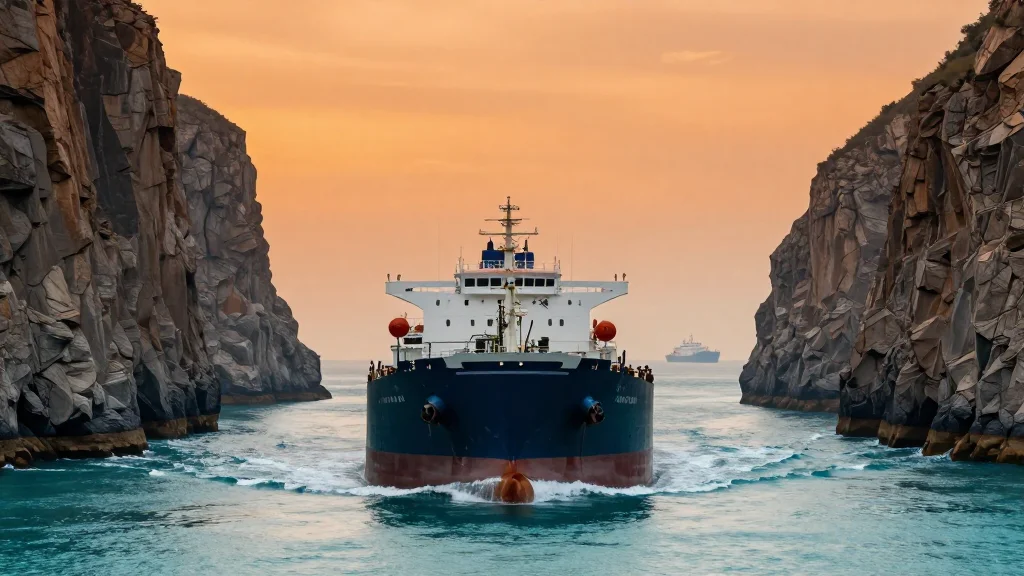
Strait of Hormuz Tensions Detain Vessels, Trap Crews and Disrupt Global Shipping

Why It Matters
The Strait of Hormuz handles roughly 20% of global oil shipments and a similar share of liquefied natural gas. Any sustained closure forces carriers onto longer routes, inflating fuel costs, raising freight rates and tightening global energy markets. The detention of crews also raises humanitarian and legal concerns, potentially prompting international intervention or sanctions. Moreover, the episode highlights how geopolitical rivalries—U.S. pressure on Iran, Chinese strategic interests, and regional power plays—can quickly translate into concrete disruptions for the world’s supply chains. For emerging maritime hubs like India’s Vizhinjam port, the crisis offers both a test and an opportunity. While the surge in rerouted traffic underscores the port’s strategic relevance, capacity constraints risk turning a short‑term windfall into a long‑term loss of market share if expansion does not keep pace. The broader lesson is that geopolitical flashpoints can reshape trade routes overnight, reshuffling the competitive landscape for ports, shipping lines and insurers alike.
Key Takeaways
- •Iran re‑closed the Strait of Hormuz and fired on transiting ships over the weekend.
- •IRGC detained two unauthorized vessels; U.S. Navy seized an Iranian cargo ship on Sunday.
- •Chinese tanker Rich Star carried ~250,000 barrels of methanol, the first vessel through the strait since the blockade.
- •Vizhinjam port in India saw about 100 vessels queue for berthing despite a 60‑ship monthly capacity.
- •Alex Vatanka (Middle East Institute) warned Iran now has leverage over nuclear negotiations due to control of the strait.
Pulse Analysis
The Hormuz episode illustrates a classic case of strategic chokepoint leverage. Historically, control of narrow maritime passages—whether the Suez Canal in 1956 or the Panama Canal in 1989—has allowed belligerents to extract political concessions far beyond the immediate economic impact. Iran’s ability to close the strait and physically detain vessels gives it a bargaining chip in nuclear talks, as Vatanka observed, but it also risks alienating key trading partners and inviting a harsher U.S. response.
From a commercial perspective, the rapid rerouting to Vizhinjam underscores how quickly shippers will pivot to alternative hubs when a primary corridor is compromised. However, the port’s limited capacity and the need for accelerated expansion expose a structural vulnerability: emerging transshipment centers must balance speed of development with operational reliability. Failure to do so could cede future traffic to established players like Singapore or Rotterdam, even as short‑term demand spikes.
Finally, the incident raises a broader question about the resilience of global supply chains to geopolitical shocks. Insurance premiums, freight rates, and even the design of new vessels are now being calibrated for a world where a single strait can be shut down on short notice. Companies that diversify routing options, invest in real‑time risk analytics, and maintain flexible charter arrangements will be better positioned to weather such disruptions. The Hormuz flashpoint may well become a case study in how maritime logistics must adapt to an era of heightened geopolitical volatility.
Strait of Hormuz Tensions Detain Vessels, Trap Crews and Disrupt Global Shipping
Comments
Want to join the conversation?
Loading comments...