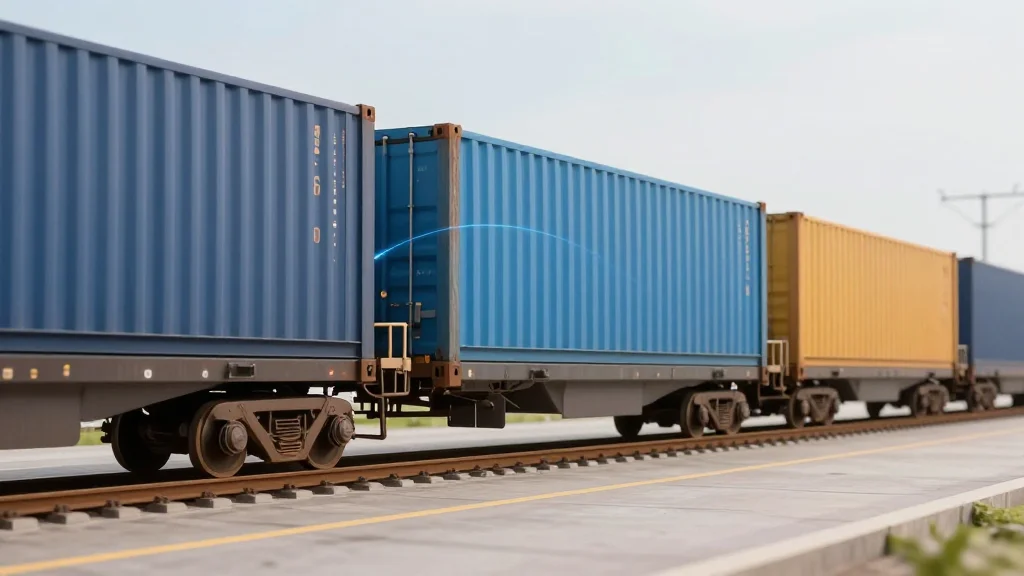
Supply Chain Leaders Spending More to Prepare for Disruptions
Why It Matters
The shift signals a strategic reallocation of capital toward resilience, reshaping cost structures and competitive dynamics across industries. Companies that successfully integrate technology and talent will gain a decisive edge in a volatile market.
Key Takeaways
- •73% of execs plan operating model transformation within three years
- •Supply‑chain spend now 11‑15% of revenue, up from 5‑10%
- •Talent shortage affects 77% of procurement and supply‑chain roles
- •Logistics costs cause value leakage for 38% of respondents
- •Half plan AI and automation investments to offset labor gaps
Pulse Analysis
The latest KPMG survey underscores a fundamental pivot in supply‑chain strategy: resilience is now a top‑line priority. Executives are allocating a larger slice of revenue—between 11% and 15%—to supply‑chain operations, a clear response to persistent disruptions and economic uncertainty. This budgetary shift fuels investments in digital twins, predictive analytics, and end‑to‑end visibility platforms, enabling firms to anticipate bottlenecks and reconfigure networks in real time. As risk management climbs to the summit of corporate agendas, companies that embed agility into their operating models are better positioned to protect margins and sustain growth.
A parallel crisis is unfolding on the talent front. With 77% of leaders reporting acute shortages in procurement and logistics expertise, the labor gap threatens to erode the gains from new technology. To bridge this divide, roughly half of surveyed firms are earmarking funds for automation and artificial intelligence, from robotic process automation in order processing to AI‑driven demand forecasting. These tools not only offset workforce constraints but also enhance decision speed, allowing firms to react to supply shocks faster than ever before.
Nevertheless, the path to a digitally enabled supply chain is riddled with obstacles. Companies cite incompatibility between legacy systems and modern platforms, heightened data‑security concerns, and internal resistance to change as key impediments. Overcoming these challenges will require a coordinated approach that blends robust change‑management programs with strategic partnerships that ensure seamless technology integration. Firms that navigate these complexities will emerge with stronger, smarter, and safer supply chains, setting a new benchmark for industry performance.
Supply Chain Leaders Spending More to Prepare for Disruptions
Comments
Want to join the conversation?
Loading comments...