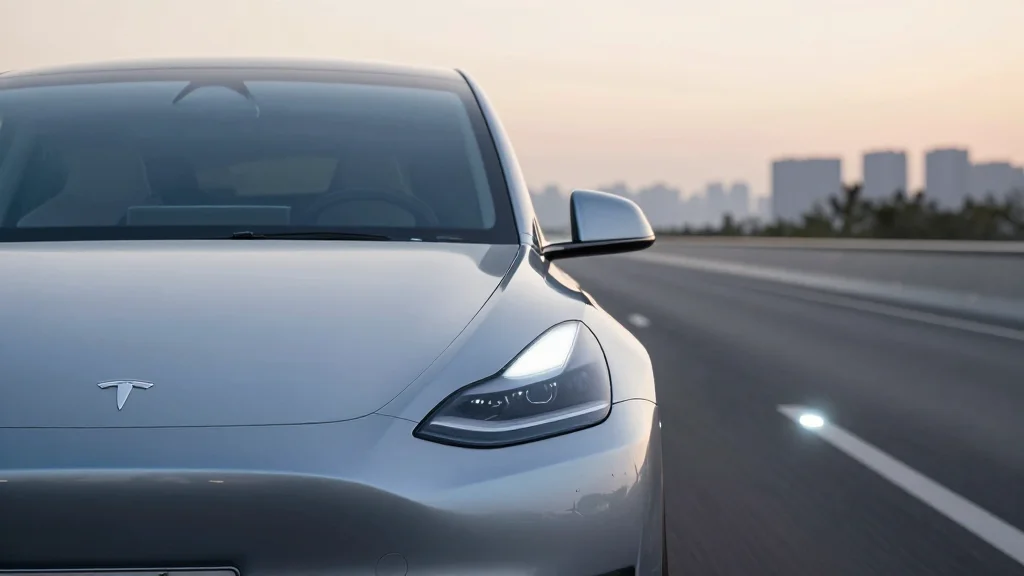
Tesla CEO Predicts Nationwide Rollout of Fully Driverless Cars This Year

Companies Mentioned
Why It Matters
If Tesla succeeds in scaling fully driverless rides, it could redefine personal mobility by turning private electric vehicles into a shared, on‑demand transport network. The move would also pressure traditional automakers and tech firms to accelerate their autonomous strategies, potentially reshaping the competitive landscape of the transportation sector. Beyond industry dynamics, widespread driverless deployment raises questions about safety standards, insurance frameworks and labor impacts for professional drivers. Policymakers will need to balance innovation incentives with public‑safety safeguards as autonomous fleets expand beyond experimental zones.
Key Takeaways
- •Elon Musk announced plans for nationwide driverless car deployment later this year
- •Tesla’s robotaxis are already operating in Austin, Dallas and Houston without safety drivers
- •Reuters testing highlighted long wait times and inconvenient drop‑off spots
- •The rollout aims to offset slowing Tesla vehicle sales and boost mobility‑as‑a‑service revenue
- •Regulators and competitors will closely monitor performance metrics as the service scales
Pulse Analysis
Tesla’s driverless ambition is a high‑stakes gamble that leverages its massive installed base of FSD‑enabled vehicles. Historically, the company has used its software updates to create new revenue streams, from over‑the‑air features to subscription services. By converting a portion of its fleet into a robotaxi network, Tesla hopes to generate recurring income that could cushion the impact of a decelerating car‑sales cycle.
The competitive environment is intensifying. Waymo’s fully autonomous rides are limited to a handful of cities, while Cruise has faced regulatory setbacks in California. Tesla’s advantage lies in scale—millions of cars on the road that can be toggled into autonomous mode with a software push. However, the operational shortcomings reported by Reuters—long wait times and poor drop‑off logistics—highlight that scaling technology is only half the battle; service reliability and user experience will determine market acceptance.
Regulatory scrutiny will likely be the decisive factor. Texas has taken a relatively permissive stance, but other states may demand more rigorous safety data before granting driverless permissions. If Tesla can demonstrate a clean safety record and meet performance benchmarks, it could set a de‑facto standard that accelerates nationwide adoption. Conversely, any high‑profile incident could trigger a backlash that stalls the entire industry’s progress toward autonomous mobility.
Tesla CEO predicts nationwide rollout of fully driverless cars this year
Comments
Want to join the conversation?
Loading comments...