Tesla Promotes FSD Misuse in Its Own Videos — Undermining Its Legal Defense
Companies Mentioned
Why It Matters
The footage directly undermines Tesla’s legal argument that driver error, not system flaw, causes crashes, potentially expanding liability exposure and prompting tighter regulator scrutiny.
Key Takeaways
- •Tesla posted espresso video encouraging hands‑off driving with FSD
- •Denmark promo showed FSD violating multiple traffic laws on public roads
- •Marketing contradictions undermine Tesla’s legal defense that drivers must supervise
- •Ongoing lawsuits expose Tesla to up to $14.5 billion in liabilities
- •Regulators and courts may view the videos as evidence of false advertising
Pulse Analysis
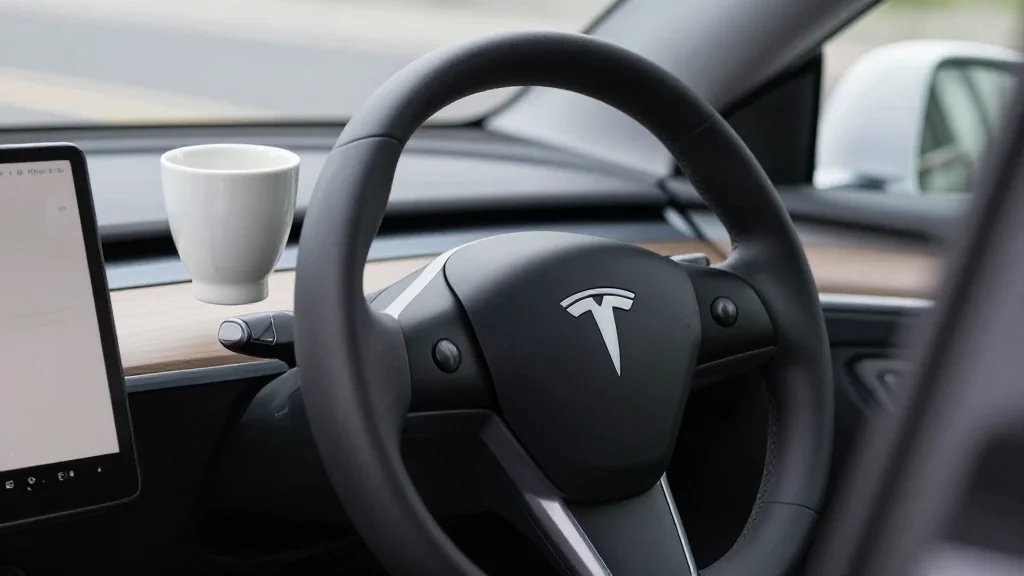
Tesla’s recent promotional clips have sparked a fresh wave of controversy by showcasing drivers treating Full Self‑Driving as a set‑and‑forget feature. In the espresso video, a driver operates a portable coffee maker with hands off the wheel, while the Denmark footage captures the system ignoring bus‑only lanes, illegal turns and a closed street. Both videos were posted on Tesla’s official channels, complete with captions that suggest the technology can operate autonomously, despite fine‑print warnings that supervision remains mandatory. This stark contrast fuels accusations that the company’s marketing deliberately blurs the line between driver responsibility and vehicle capability.
The legal stakes are significant. Tesla’s defense in dozens of Autopilot and FSD lawsuits hinges on proving that drivers, not the software, are at fault. However, the newly released videos provide plaintiffs with concrete examples that the company itself promoted misuse. Combined with a $243 million jury verdict in the Benadides case and an estimated $14.5 billion exposure across 21 litigation tracks, regulators such as California’s DMV and the NHTSA are likely to scrutinize the marketing material as evidence of false advertising. Courts may view the footage as a breach of the duty to warn, potentially expanding damages and prompting punitive awards.
Beyond the courtroom, the incident highlights a broader industry challenge: balancing the hype of autonomous‑driving promises with transparent consumer disclosures. As competitors race to commercialize similar technologies, regulators may tighten advertising standards, demanding clearer language about supervision requirements. For Tesla, the fallout could affect its FSD subscription revenue and brand perception, especially if future marketing must be vetted more rigorously. The episode serves as a cautionary tale that overstated claims can backfire, turning a powerful sales tool into a liability accelerator.
Tesla promotes FSD misuse in its own videos — undermining its legal defense
Comments
Want to join the conversation?
Loading comments...