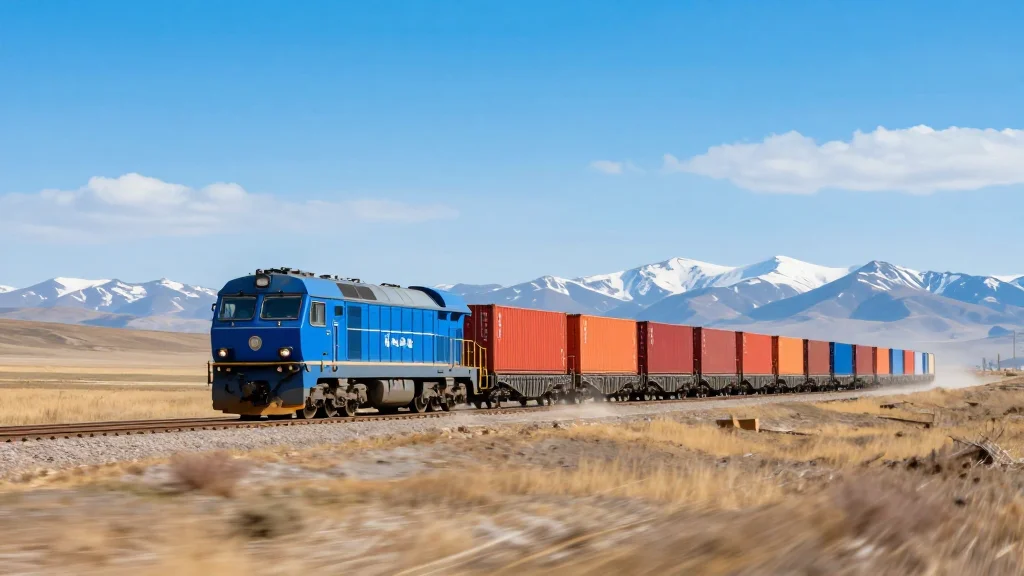
The 3 Geopolitical Shocks That Boosted the Middle Corridor
Why It Matters
The shift highlights a strategic rebalancing of global supply chains, offering Europe and Asian exporters a resilient alternative to traditional sea lanes. It also signals growing investment in Eurasian infrastructure, reshaping trade dynamics for the next decade.
Key Takeaways
- •Russia-Ukraine war redirected cargo to overland routes
- •US-China tech rivalry spurred alternative logistics corridors
- •Red Sea attacks disrupted Suez Canal, boosting land transit
- •Middle Corridor capacity grew 30% since 2020
- •Europe seeks diversification away from Russian energy and routes
Pulse Analysis
The Middle Corridor’s resurgence underscores how geopolitical volatility can accelerate the adoption of land‑based logistics. When the Russia‑Ukraine conflict erupted in 2022, Western sanctions forced many shippers to bypass Russian ports, prompting a swift pivot to overland routes that skirted the Black Sea. Simultaneously, heightened US‑China tech tensions have made firms wary of relying on single maritime corridors, prompting investment in diversified pathways that can weather diplomatic frictions.
Red Sea disruptions added another layer of urgency. Houthi attacks on commercial vessels in 2023 caused a cascade of delays in the Suez Canal, the world’s busiest maritime shortcut. Shipping lines responded by rerouting container traffic through rail and road networks across Kazakhstan, Russia, and the Baltic states, effectively breathing new life into the historic Silk Road concept. This shift not only alleviated immediate bottlenecks but also demonstrated the scalability of multimodal transport solutions that blend rail, road, and inland waterways.
Looking ahead, the Middle Corridor’s growth—up roughly 30% since 2020—signals a broader strategic realignment. European policymakers are actively courting the route to reduce dependence on Russian energy and transport corridors, while China’s Belt and Road initiatives continue to fund rail upgrades and customs harmonization. As supply‑chain resilience becomes a competitive advantage, businesses that integrate the Middle Corridor into their logistics portfolios can expect lower exposure to maritime chokepoints and a more flexible, cost‑effective gateway to European markets.
The 3 Geopolitical Shocks That Boosted the Middle Corridor
Comments
Want to join the conversation?
Loading comments...