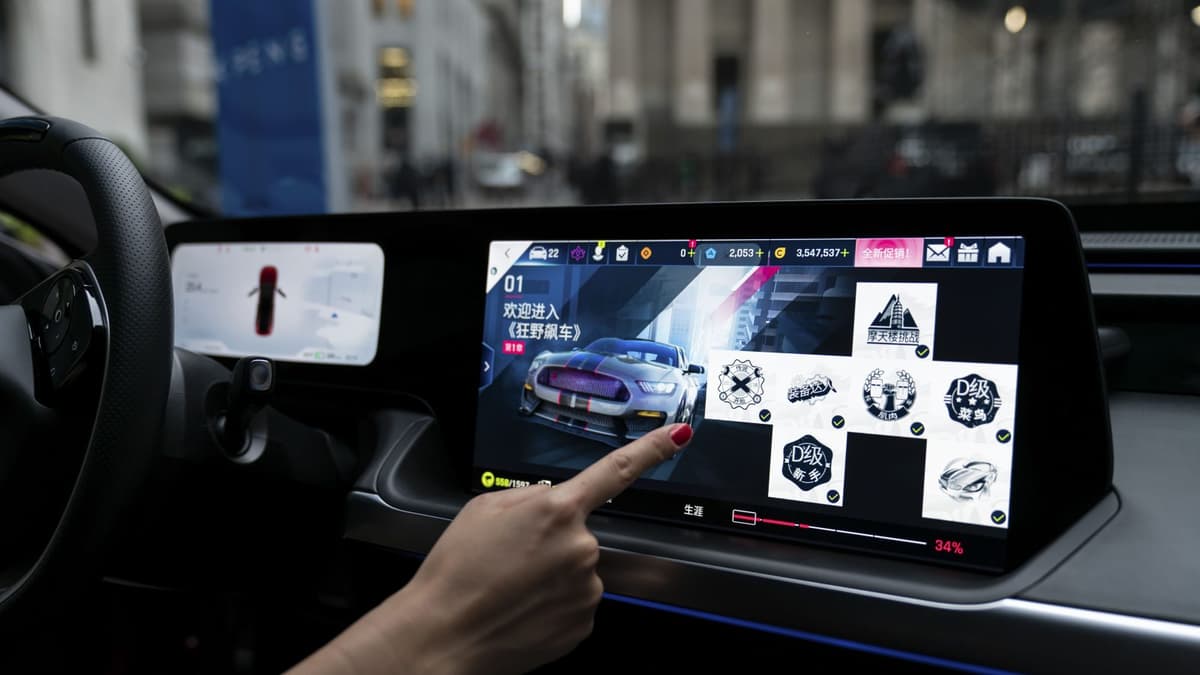
The Chinese EV Standard Winning Globally Is Banned in the U.S.
Key Takeaways
- •U.S. bans Chinese software in EVs effective July 2025.
- •BYD builds 75% of components in‑house, driving lower costs.
- •LFP batteries and ChaoJi plug set global standards favoring China.
- •U.S. EVs average $55k versus BYD’s $7.8k entry model.
- •Switching away from Chinese standards incurs a costly “resilience tax.”
Pulse Analysis
The U.S. ban on Chinese‑origin software marks a stark policy divergence from the rest of the world, where integrated EV platforms are becoming the norm. Companies like BYD design batteries, chips and operating systems under one roof, cutting production time to 18 months and pricing entry‑level models near $7,800. This vertical integration fuels rapid innovation cycles and drives the adoption of lithium‑iron‑phosphate (LFP) batteries, a chemistry that offers lower cost, higher safety and longer life than the nickel‑based cells favored by many U.S. makers.
Meanwhile, global charging infrastructure is coalescing around standards that favor Chinese technology. The ChaoJi plug, a joint China‑Japan effort, promises four times the power of North America’s NACS system, while LFP batteries dominate supply chains led by BYD and CATL. As Europe and Asia align on these specifications, U.S. automakers risk being locked into slower, more expensive solutions, widening the performance and price gap between domestic and foreign EVs. The fragmented supplier model—Google dashboards, BlackBerry software, Korean or Chinese batteries—hampers the ability to create a unified, cost‑effective ecosystem.
The long‑term economic impact could be substantial. A "resilience tax" may be levied on governments and consumers as they retrofit charging networks, rewrite software, and replace hardware to accommodate divergent standards. With U.S. EVs averaging $55,000 compared to BYD’s sub‑$8,000 offerings, price competitiveness is already at stake. Policymakers will need to balance national security concerns with strategic incentives that restore innovation capacity, perhaps through targeted R&D subsidies or revised trade agreements, to keep the American auto industry relevant in a market increasingly defined by integrated Chinese technology.
The Chinese EV standard winning globally is banned in the U.S.
Comments
Want to join the conversation?