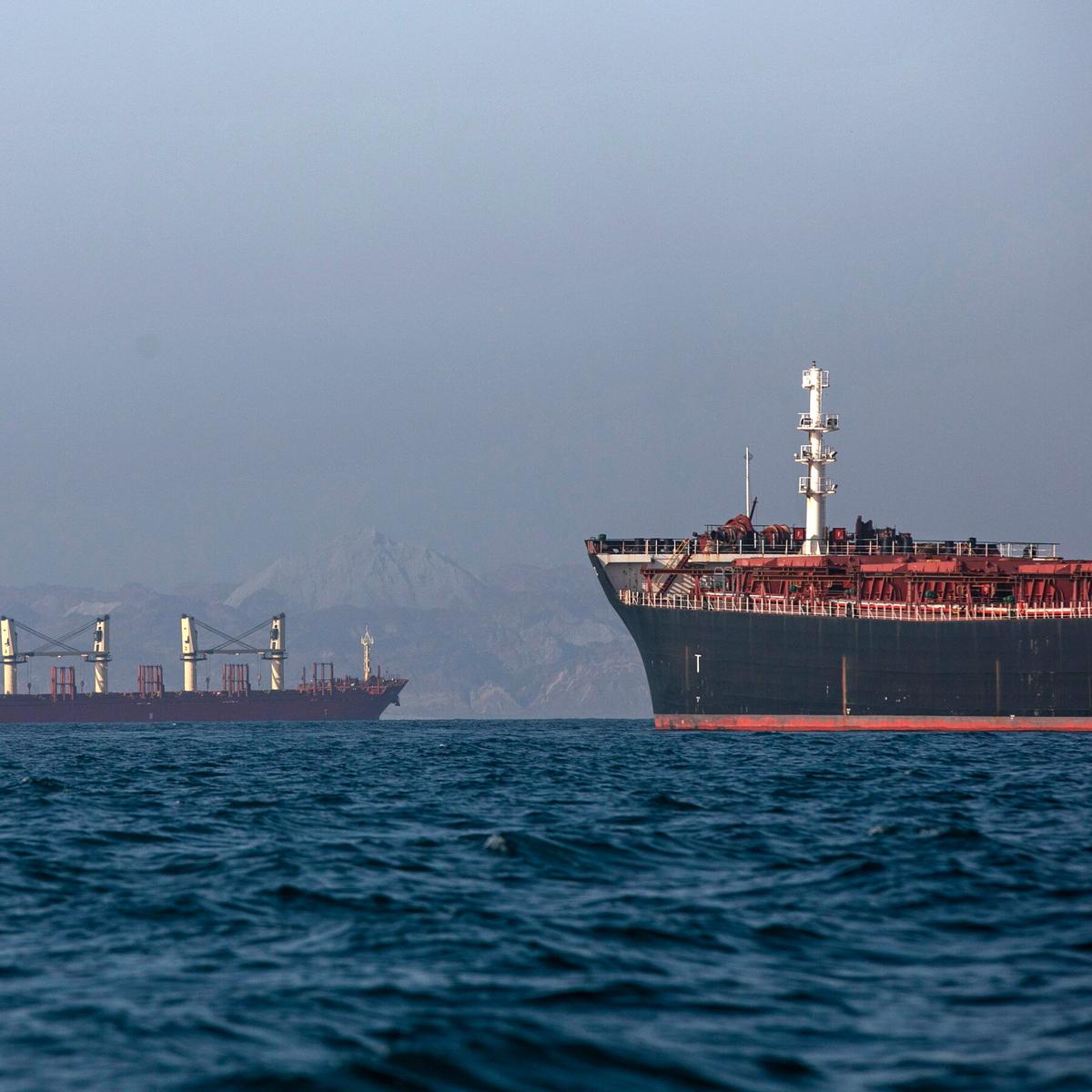
The Risks of Iran’s Threat to Control the Strait of Hormuz
Why It Matters
A potential toll could disrupt oil supply chains, raise freight costs, and amplify geopolitical risk for the world’s energy‑dependent economies.
Key Takeaways
- •Iran seeks to monetize Hormuz, violating freedom of navigation rules
- •IMO head Arsenio Domínguez rejects mandatory tolls for the strait
- •Shipping firms face heightened uncertainty and stranded vessels in Gulf
- •Potential toll could increase global oil transport costs and volatility
Pulse Analysis
The Strait of Hormuz has long been a strategic artery for energy flows, moving roughly one‑fifth of the world’s oil and gas. Iran’s recent proposal to charge a passage fee challenges the United Nations Convention on the Law of the Sea, which guarantees innocent passage through international straits. By attempting to monetize the waterway, Tehran aims to leverage its geographic advantage amid a broader regional conflict, signaling a shift from traditional diplomatic pressure to economic coercion.
Industry analysts argue that the toll proposal is unlikely to survive legal scrutiny, yet its mere existence rattles ship owners and charterers. Vessels already stranded in the Persian Gulf face mounting operational costs, crew fatigue, and insurance premium spikes. Moreover, insurers and lenders are revisiting risk models for routes that could become subject to arbitrary fees, prompting some shippers to consider alternative passages such as the Cape of Good Hope, despite longer transit times and higher fuel consumption.
If Iran were to succeed in imposing a fee, the ripple effects would extend beyond shipping costs. Higher transport expenses would feed into global oil prices, pressuring economies already coping with inflationary pressures. Additionally, the precedent of charging for a strategic waterway could embolden other nations to pursue similar tactics, reshaping the rules of international maritime commerce. Stakeholders therefore monitor diplomatic negotiations closely, as any resolution will influence both short‑term logistics and long‑term geopolitical stability.
The Risks of Iran’s Threat to Control the Strait of Hormuz
Comments
Want to join the conversation?
Loading comments...