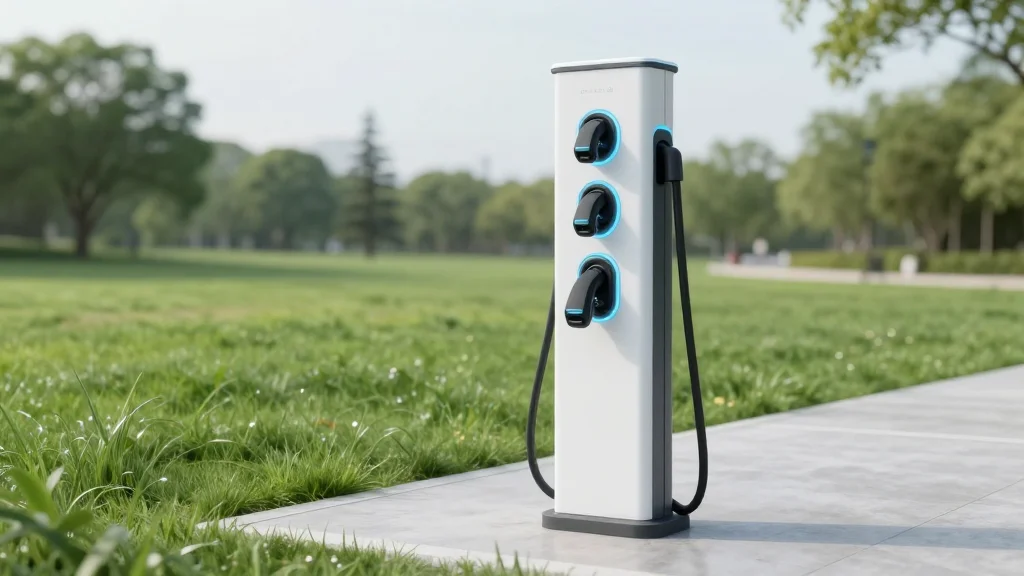
The U.S. Now Has Over 250,000 EV Charging Ports
Companies Mentioned
Why It Matters
A robust and growing charging network reduces range anxiety, a key barrier to EV adoption, and signals strong private‑sector confidence in the electric‑mobility transition. The expanding infrastructure also creates new revenue streams and investment opportunities across the energy and automotive ecosystems.
Key Takeaways
- •U.S. public EV charging ports exceed 250,000, per DOE data.
- •Level 2 plugs total over 180,000; DC fast chargers over 73,000.
- •Tesla supplies ~50,000 ports; ChargePoint leads Level 2 with 76,000 plugs.
- •2024 added 5,000 fast chargers and nearly 13,000 Level 2 stations.
- •Ionna and Rivian each now operate about 1,000 DC charging points.
Pulse Analysis
The United States has crossed the 250,000‑public‑charging‑port threshold, a milestone that reshapes the electric‑vehicle (EV) landscape. According to the DOE’s Alternative Fuels Data Center, the network now comprises more than 180,000 Level 2 plugs for overnight or destination charging and over 73,000 DC fast chargers that enable rapid top‑ups on highways. This breadth of supply directly tackles the range‑anxiety narrative that has long deterred potential buyers, positioning the U.S. as a competitive market for EV manufacturers and ancillary service providers.
Tesla remains the most visible player, contributing roughly 50,000 ports through its Supercharger and Destination networks, but the market is diversifying. ChargePoint leads the Level 2 segment with 76,000 plugs, while newcomers like Ionna and Rivian have each rolled out about 1,000 DC fast‑charging points in 2024. The year saw an addition of 5,000 fast chargers and nearly 13,000 Level 2 stations, reflecting a steady pipeline of private‑investment capital and utility‑partner projects. These developments suggest a maturing ecosystem where multiple networks compete on speed, reliability, and geographic coverage.
For businesses and investors, the expanding charger footprint signals a fertile ground for ancillary services—software platforms, energy‑storage integration, and site‑development opportunities. Policymakers can leverage this momentum to accelerate decarbonization goals, aligning incentives with the growing demand for visible, reliable charging locations. As the infrastructure scales, consumer confidence is likely to rise, driving higher EV adoption rates and reinforcing the long‑term viability of the electric mobility market.
The U.S. Now Has Over 250,000 EV Charging Ports
Comments
Want to join the conversation?
Loading comments...