They Graduate to Six Figure Salaries, and Grueling Work
Companies Mentioned
Why It Matters
A dwindling pool of licensed mariners jeopardizes U.S. naval logistics and global trade, while soaring salaries and bonuses make maritime careers a strategic national priority.
Key Takeaways
- •8,000 maritime jobs remain vacant nationwide.
- •Military Sealift Command offers up to $54k signing bonuses.
- •Entry‑level officer salaries exceed $100k, some $170k.
- •SUNY Maritime’s training ship provides mandatory 360 days sea time.
- •Mariner shortage threatens Navy’s global logistical reach.
Pulse Analysis
The United States faces a critical shortfall of qualified mariners, with industry groups estimating roughly 8,000 open positions, half of them tied to the Military Sealift Command that fuels and provisions Navy vessels worldwide. Without enough civilian‑manned supply ships, warships operating in hotspots such as the Strait of Hormuz could run out of provisions in as few as five days, eroding the Navy’s global reach. This gap underscores the strategic vulnerability of the nation’s logistical backbone and has prompted federal attention.
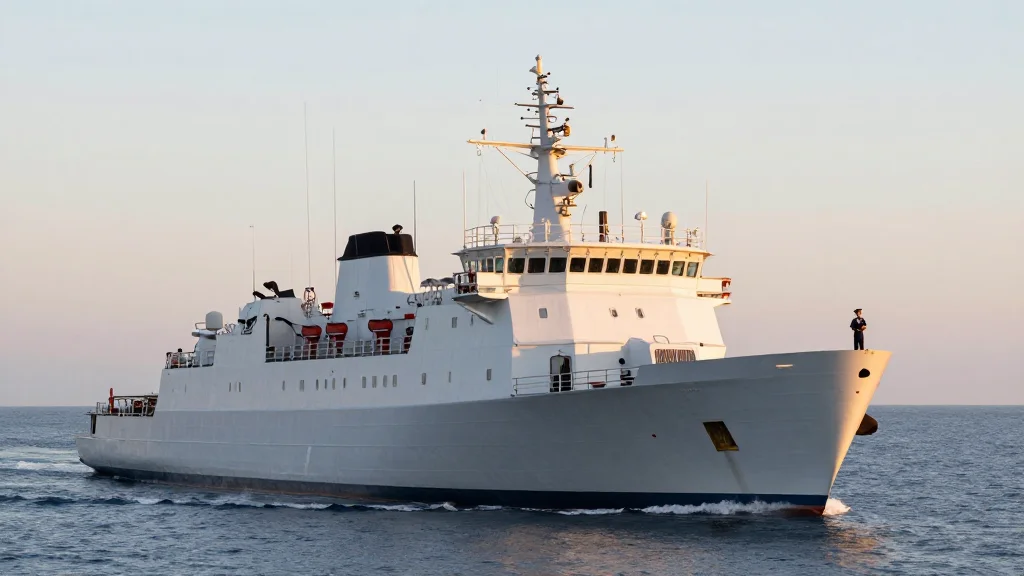
SUNY Maritime College, one of six state‑run maritime academies, has built the Empire State VII as the first vessel designed exclusively for cadet training. The ship’s 530‑foot hull houses classrooms, labs, and living quarters, allowing students to accrue the 360 days of sea time required for a U.S. Coast Guard license. Cadets juggle a double‑major workload of engineering or operations courses plus mandatory licensing classes, effectively graduating with both a technical degree and a professional credential. This pipeline directly feeds the merchant‑marine pool that underpins both commercial trade and military logistics.
To lure graduates into these high‑risk roles, the Military Sealift Command now offers signing bonuses up to $54,000 and entry‑level officer salaries that can exceed $170,000. The federal Maritime Action Plan, unveiled in early 2026, seeks to expand the licensed‑mariner pipeline through scholarships, loan forgiveness, and expanded apprenticeship programs. As salaries climb and benefits improve, the sector becomes a viable alternative to traditional corporate careers, promising young engineers both financial reward and a direct contribution to national security. The long‑term effect could stabilize supply chains and reinforce America’s maritime dominance.
They graduate to six figure salaries, and grueling work
Comments
Want to join the conversation?
Loading comments...