Travel Brands Gaining Fans As World Cup 2026 Partners
Why It Matters
By controlling the logistics of how fans travel, stay, and engage, travel brands can become integral to the event memory, driving deeper brand affinity and unlocking new revenue streams in the rapidly expanding sports tourism market.
Key Takeaways
- •American Airlines adds 27,000 extra seats for World Cup travel
- •Qatar Airways focuses on premium international routes and loyalty packages
- •Airbnb targets 380,000 guests with lodging and curated experiences
- •Travel sponsors shift from logo visibility to fan journey integration
- •Sports tourism market projected to hit $2.78 trillion by 2033
Pulse Analysis
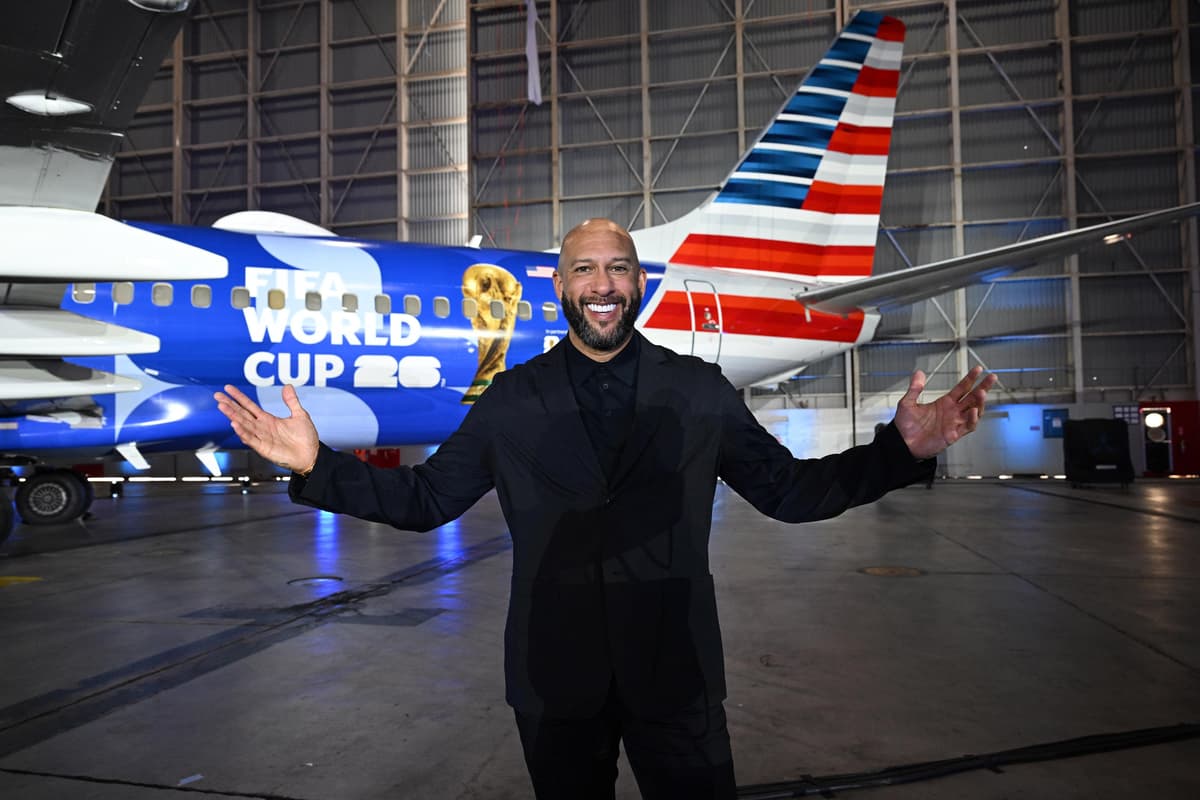
The 2026 FIFA World Cup is redefining sponsorship economics by turning travel logistics into a high‑visibility platform. American Airlines, designated the official North American airline, is expanding capacity by over 27,000 seats and rolling out limited‑edition amenity kits that double as stadium‑compliant clear bags. This pragmatic approach positions the carrier at the exact moment fans decide how to reach matches, converting convenience into brand loyalty. Meanwhile, Qatar Airways leverages its premium halo, bundling loyalty points and holiday packages with official ticketing routes, reinforcing its status as the gateway for international travelers.
Airbnb’s partnership goes beyond providing beds; it curates experiences that transform passive spectators into active participants. The platform expects to accommodate more than 380,000 guests, offering everything from private training sessions with football legends to bespoke jersey‑design workshops. Priced between $50 and $250, these experiences tap into younger fans’ desire for authentic, shareable moments, turning accommodation into a storytelling vehicle. By embedding cultural and social elements into the travel itinerary, Airbnb positions itself as the go‑to brand for memorable, immersive World Cup trips.
The broader market context underscores the magnitude of this shift. Grand View Research projects the global sports tourism market to swell from $803.9 billion in 2025 to $2.78 trillion by 2033. With the tournament spread across the United States, Canada, and Mexico, each host city becomes a micro‑economy where travel decisions drive spend. Brands that eliminate friction—whether through added seat capacity, premium routing, or experiential lodging—stand to capture a larger share of this trillion‑dollar ecosystem, cementing their relevance long after the final whistle.
Travel Brands Gaining Fans As World Cup 2026 Partners
Comments
Want to join the conversation?
Loading comments...