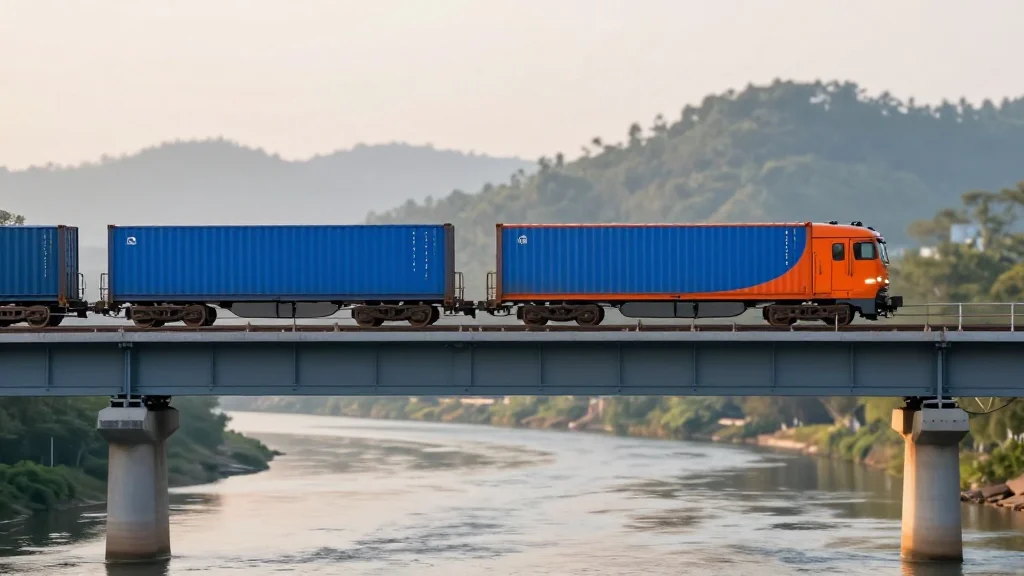
Trucking Is Driving Double-Digit Growth for This Rail Freight Category
Companies Mentioned
Why It Matters
The surge underscores rail’s growing role as a cost‑effective alternative to trucking, reshaping freight logistics and boosting revenue prospects for rail operators amid a tightening trucking market.
Key Takeaways
- •U.S. rail traffic up 7.2% YoY to 492,795 units.
- •Intermodal volume surged 10% YoY, driven by high trucking rates.
- •Grain shipments jumped 33.8%, the strongest commodity growth.
- •Coal shipments fell 9%, the largest commodity decline.
- •North American rail volume rose 4.9% week, reaching 690,622 units.
Pulse Analysis
The latest AAR data highlights a clear pivot from road to rail as trucking costs hit record highs. Elevated freight rates, fuel price spikes, and stricter driver qualifications have squeezed carrier capacity, prompting shippers to lean on intermodal solutions that combine rail efficiency with flexible drayage. This modal shift is not merely a short‑term reaction; it reflects a strategic rebalancing of supply‑chain risk, especially for time‑sensitive, high‑value goods that benefit from rail’s lower per‑ton‑mile cost.
Commodity trends further illustrate rail’s expanding relevance. Grain, the sector’s biggest winner with a 33.8% increase, benefits from rail’s ability to move large volumes from the Midwest to export hubs. Metallic ores and motor vehicles also posted double‑digit gains, while traditional bulk commodities like coal continue to erode, signaling a longer‑term transition away from energy‑intensive freight. Rail operators are capitalizing on these dynamics by expanding intermodal terminals and investing in technology that streamlines container handling, positioning themselves to capture a larger share of the freight market.
Looking ahead, the sustained growth in intermodal traffic could reshape competitive dynamics between railroads and trucking firms. As rail gains market share, carriers may pursue collaborative agreements, such as joint pricing or shared capacity platforms, to optimize end‑to‑end logistics. For investors and industry stakeholders, the data suggests that rail infrastructure upgrades and service reliability will become critical differentiators, while trucking firms may need to focus on niche, last‑mile services and advanced fleet management to remain viable in a market increasingly dominated by rail’s cost advantage.
Trucking is driving double-digit growth for this rail freight category
Comments
Want to join the conversation?
Loading comments...