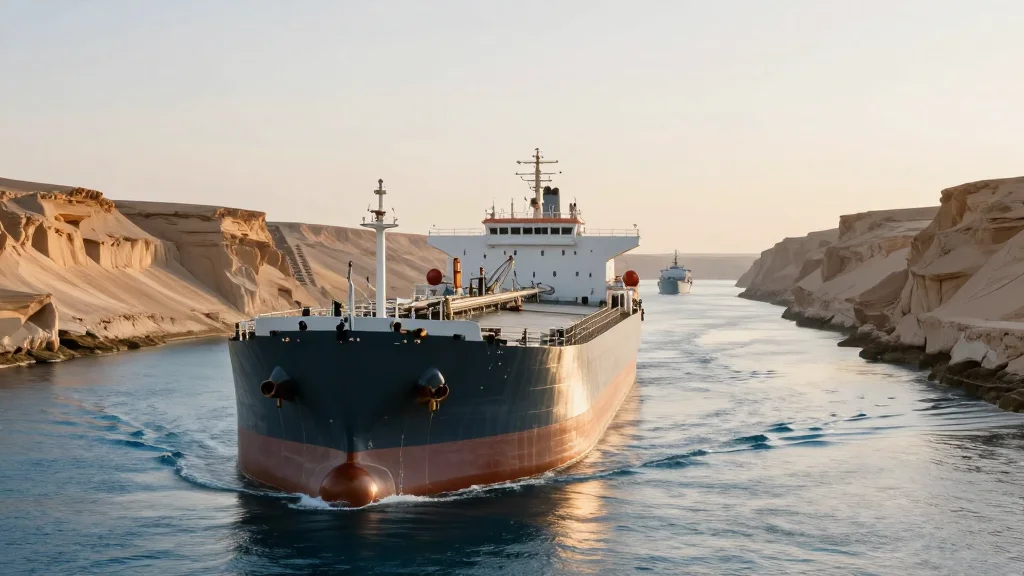
UN Warns Hormuz Blockade Could Trigger Global Recession as US‑Iran Tensions Flare

Why It Matters
The Strait of Hormuz is a linchpin of global energy logistics; any sustained disruption reverberates through oil and gas markets, inflating prices for consumers and manufacturers worldwide. With Brent crude near $118 a barrel, the cost shock feeds into higher transportation costs, manufacturing input prices, and ultimately consumer inflation, threatening to erode the modest post‑pandemic economic recovery. Beyond economics, the standoff underscores a shifting geopolitical order. The United States, once the guarantor of maritime security in the Gulf, now faces a more ambiguous role as domestic energy production reduces its dependence on Gulf oil. Iran’s willingness to test the blockade signals a broader challenge to the rules‑based international order, raising the stakes for allies in Europe and Asia that rely on uninterrupted energy flows.
Key Takeaways
- •UN Secretary‑General Guterres warned that a prolonged Hormuz blockage could push inflation above 6% and trigger a global recession.
- •U.S. naval forces have intensified a blockade after 52 Iranian vessels attempted to transit the strait.
- •Brent crude prices hovered near $118 per barrel, echoing early‑war highs of $130.
- •House Speaker Mike Johnson stated, “we are not at war,” highlighting mixed U.S. signals.
- •UN task force and IMO are drafting a humanitarian corridor to keep civilian shipping moving.
Pulse Analysis
The Hormuz crisis illustrates how geopolitical flashpoints can quickly translate into macro‑economic turbulence. Historically, the strait has been a pressure point—during the 2019‑2020 oil price war, even brief closures sent crude futures soaring. This time, the confluence of a U.S. administration eager to project resolve and an Iranian regime testing the limits of its maritime leverage creates a classic brinkmanship scenario. The United States’ strategic calculus is complicated by its own energy boom; while it can afford higher oil prices, it also faces domestic political pressure to avoid a costly war.
Market participants are already pricing in risk premia. The surge in Brent to $125‑$130 a barrel has tightened freight rates on the Asia‑Europe route, squeezing margins for container shippers and raising the cost of imported goods. At the same time, U.S. LNG exporters stand to gain as Asian buyers seek alternatives to Gulf‑origin gas, potentially reshaping long‑term contract structures. However, the upside for U.S. energy firms is offset by the broader systemic risk: a protracted Hormuz shutdown could force a re‑routing of tankers around the Cape of Good Hope, adding weeks to delivery times and inflating shipping insurance premiums.
Looking ahead, the decisive factor will be diplomatic agility. If the UN‑led task force can secure a limited corridor, it may blunt the worst‑case economic scenario while preserving the credibility of multilateral conflict resolution. Conversely, an escalation—whether through a U.S. “final blow” or an Iranian retaliation—could lock the strait in a self‑reinforcing cycle of price spikes and supply chain disruptions, echoing the 1973 oil shock. Stakeholders from oil majors to logistics firms should therefore monitor diplomatic signals as closely as they track price charts, preparing contingency plans for both a rapid de‑escalation and a drawn‑out standoff.
UN warns Hormuz blockade could trigger global recession as US‑Iran tensions flare
Comments
Want to join the conversation?
Loading comments...