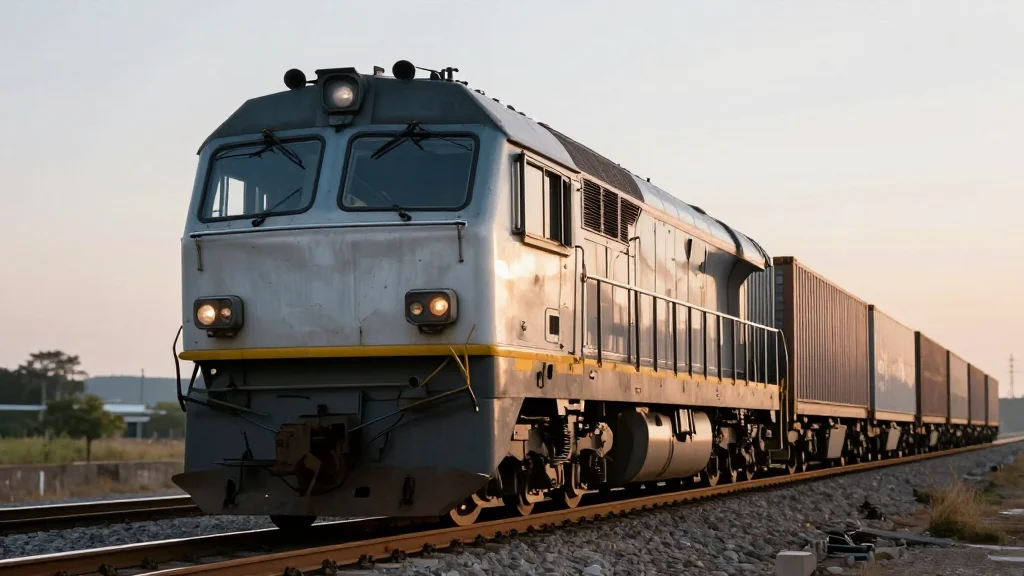
U.S. Rail Carloads and Intermodal Volumes Jump in April, AAR Reports

Companies Mentioned
Why It Matters
Rail freight remains the backbone of North American bulk transportation, moving everything from agricultural products to manufactured goods. A resurgence in carload and intermodal volumes signals that the broader logistics network is stabilizing, which can lower supply‑chain costs for manufacturers and retailers. Moreover, stronger rail activity can reduce highway congestion and emissions, aligning with sustainability goals. For investors and policymakers, the AAR’s April figures serve as an early indicator of economic momentum. Higher rail volumes often precede increased industrial output, suggesting that demand for raw materials and finished goods is picking up. This data point can inform decisions on infrastructure spending, rail‑capacity investments, and regulatory approaches to freight congestion.
Key Takeaways
- •April rail carload volumes rose, according to AAR’s monthly Rail Industry Overview.
- •Intermodal shipments also increased, marking the strongest quarterly growth in years.
- •The AAR report did not disclose exact percentage changes.
- •Amazon’s new Supply Chain Services may be contributing to higher rail utilization.
- •Higher rail volumes could ease pricing pressure and improve service reliability for shippers.
Pulse Analysis
The April uptick in rail traffic is more than a statistical blip; it reflects a structural shift in how shippers are balancing cost, reliability, and capacity. Over the past two years, the freight market has been dominated by a truck driver shortage and port congestion, forcing many companies to re‑evaluate long‑haul strategies. Rail, with its lower variable costs and ability to move large volumes, has re‑emerged as a viable alternative, especially for intermodal containers that can be transferred seamlessly between ship, rail, and truck.
Amazon’s entry into the rail‑linked logistics arena through ASCS underscores a broader trend: tech‑driven platforms are leveraging existing rail infrastructure to offer end‑to‑end visibility and pricing tools. While the AAR report does not directly attribute the volume gains to Amazon, the timing aligns with the company’s push to open its network to third‑party shippers. If this model gains traction, we could see a cascade of similar initiatives, further boosting rail demand.
Looking forward, the sustainability of the growth will hinge on two variables: macro‑economic health and rail capacity investments. A stronger economy will sustain cargo volumes, but without sufficient track upgrades and locomotive availability, rail operators could face bottlenecks that erode the current pricing advantage. Policymakers should therefore consider targeted funding for rail corridor enhancements to lock in the gains observed in April. For investors, the data suggests a potential re‑rating of rail carriers and related service providers as the sector moves out of the recessionary phase and back into growth mode.
U.S. Rail Carloads and Intermodal Volumes Jump in April, AAR Reports
Comments
Want to join the conversation?
Loading comments...