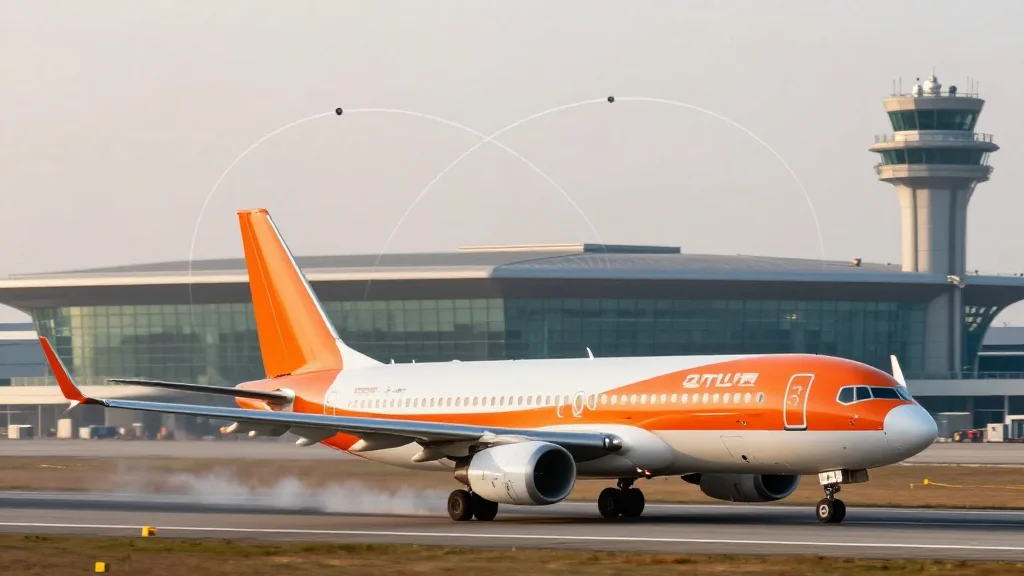
Vietjet Inks Strategic Tech and Airport Deals with India's GMR and Bird Group

Companies Mentioned
Why It Matters
The Vietjet‑GMR‑Bird Group agreements illustrate how low‑cost carriers are using strategic infrastructure partnerships to overcome traditional barriers to international expansion, such as slot scarcity and high airport fees. By embedding itself in the Indian airport ecosystem, Vietjet can offer more competitive fares, stimulate tourism, and facilitate trade between two fast‑growing economies. The deals also highlight a shift toward digital and smart‑airport solutions, which can improve passenger experience and operational efficiency across the broader transportation sector. For the transportation industry, the collaboration underscores the growing importance of integrated mobility ecosystems where airlines, airport operators and service providers co‑create value. Successful execution could encourage other carriers to pursue similar models, accelerating infrastructure modernization and fostering deeper regional connectivity throughout Asia‑Pacific.
Key Takeaways
- •Vietjet signs strategic cooperation agreements with GMR Airports and Bird Group
- •Partnership targets joint development of air routes, smart‑airport tech and ground‑handling services
- •Vietjet currently operates 25 India‑Vietnam routes, ~80 flights weekly, serving >2.5 million passengers
- •GMR Airports operates major Indian hubs, offering Vietjet access to slots and infrastructure upgrades
- •First jointly‑developed route expected by end‑2026, with further services slated for 2027
Pulse Analysis
Vietjet’s latest partnership marks a calculated bet on infrastructure‑centric growth rather than pure fleet expansion. Historically, low‑cost carriers have relied on secondary airports to keep costs low; however, the Indian market’s premium airports are now being opened to budget airlines through joint‑venture models that share capital expenditures and technology risk. By aligning with GMR, Vietjet sidesteps the high entry costs associated with building its own ground facilities, while Bird Group’s expertise in handling and training accelerates operational readiness.
The timing is crucial. India’s domestic aviation market is projected to exceed 500 million passengers by 2030, and outbound demand from Vietnam is rising in tandem with rising disposable incomes. Vietjet’s ability to lock in favorable airport terms now could lock out competitors, especially legacy carriers that are slower to adopt digital airport solutions. Moreover, the smart‑airport component—likely involving AI‑driven passenger flow analytics and IoT‑enabled baggage handling—could become a differentiator, reducing turnaround times and enabling higher aircraft utilization, a core metric for low‑cost profitability.
Looking ahead, the success of this tri‑party model will hinge on regulatory alignment and the speed of technology deployment. If Vietjet can demonstrate measurable cost savings and passenger‑experience gains within the first year, the partnership could become a template for other carriers seeking to expand into high‑growth, high‑cost markets. Conversely, delays in approvals or technology integration could erode the competitive advantage, leaving Vietjet vulnerable to rivals that may pursue alternative routes or partnerships. The next twelve months will therefore be a litmus test for how infrastructure‑focused collaborations reshape the low‑cost carrier landscape in Asia.
Vietjet inks strategic tech and airport deals with India's GMR and Bird Group
Comments
Want to join the conversation?
Loading comments...