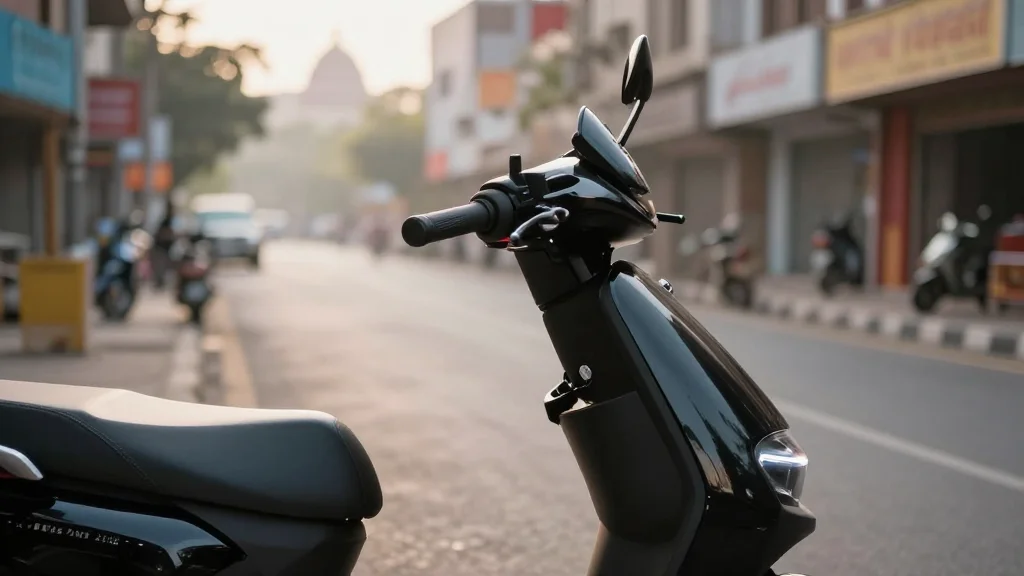
VinFast Pivots to Indian E‑scooter Market Amid U.S. Setbacks

Why It Matters
VinFast’s shift underscores a broader trend of EV manufacturers seeking growth in emerging markets where demand for affordable electric mobility is rising faster than in mature economies. If the company can secure a foothold in India, it could validate a business model that leverages low‑cost manufacturing and local assembly to compete against entrenched scooter makers. Conversely, failure to achieve scale would deepen concerns about the viability of aggressive expansion funded by founder capital, potentially dampening investor appetite for similar high‑growth EV startups. The move also highlights the challenges of entering the U.S. EV market, where regulatory, pricing and brand‑recognition hurdles are steep. By redirecting resources to India, VinFast is betting that volume can compensate for lower per‑unit profit, a gamble that could reshape how emerging‑market EV firms allocate capital and prioritize product lines.
Key Takeaways
- •VinFast will launch three electric scooters – Evo, Feliz, Viper – in India via CKD kits assembled in Tamil Nadu.
- •The company’s stock rose 3.20% following the announcement, reflecting renewed investor interest.
- •India’s two‑wheel market sells millions of units annually, offering a high‑volume growth opportunity.
- •VinFast’s U.S. EV rollout failed, prompting a strategic retreat to Southeast Asia and India.
- •Analysts warn the scooter business requires rapid scale to offset VinFast’s ongoing cash burn and net losses.
Pulse Analysis
VinFast’s India pivot is a textbook case of a high‑growth EV firm recalibrating after an over‑ambitious entry into a saturated, high‑cost market. The U.S. EV landscape demands deep pockets, extensive dealer networks and brand trust—assets VinFast lacked despite its manufacturing capabilities. By contrast, India’s two‑wheel segment offers a lower barrier to entry, especially for electric models that can be positioned as affordable replacements for gasoline scooters. The CKD approach reduces initial capital outlay while allowing VinFast to test market reception before committing to full‑scale production.
However, the strategic shift is not a silver bullet. The Indian scooter market is dominated by players like Hero MotoCorp, TVS and Bajaj, each with entrenched distribution channels and localized supply chains. VinFast must not only match their pricing but also deliver reliable range and service—a tall order given its limited track record outside Vietnam. Moreover, the company’s balance sheet shows persistent net losses, meaning any delay in achieving volume could exacerbate cash‑flow pressures and force further dilution or debt.
If VinFast can leverage its parent’s financial backing to weather the early loss‑making period, it could set a precedent for other EV startups: focus on high‑volume, low‑margin segments in emerging economies to build scale before tackling premium markets. Success would validate a tiered expansion model and could attract more capital to the nascent electric two‑wheel space. Failure, however, would reinforce the narrative that rapid, unfunded expansion remains a speculative gamble, likely tightening investor scrutiny on similar ventures.
VinFast pivots to Indian e‑scooter market amid U.S. setbacks
Comments
Want to join the conversation?
Loading comments...