Why Do Rideshare Drivers Need Special Car Insurance?

Companies Mentioned
Why It Matters
Without dedicated rideshare coverage, drivers risk significant financial loss from accidents that fall outside personal policy limits. The insurance gap also influences driver recruitment and retention for platforms that rely on a steady supply of contractors.
Key Takeaways
- •Personal auto policies often exclude rideshare commercial use
- •Uber/Lyft provide limited liability when drivers are logged in but idle
- •Rideshare insurance fills coverage gaps, costing ~ $305/month in NYC
- •Coverage limits: $50k per person, $100k per accident, $1M for trips
- •Drivers risk out‑of‑pocket costs without supplemental policy
Pulse Analysis
The gig economy’s rapid expansion has turned rideshare driving into a mainstream source of supplemental income, with millions of Americans logging hours behind the wheel each year. Yet the insurance ecosystem has struggled to keep pace. Traditional personal auto policies are designed for private use and explicitly exclude commercial activities, meaning that once a driver logs into Uber or Lyft, their existing coverage may be voided. This regulatory distinction forces drivers to seek a separate rideshare endorsement or a stand‑alone policy, adding a new line item to their operating costs.
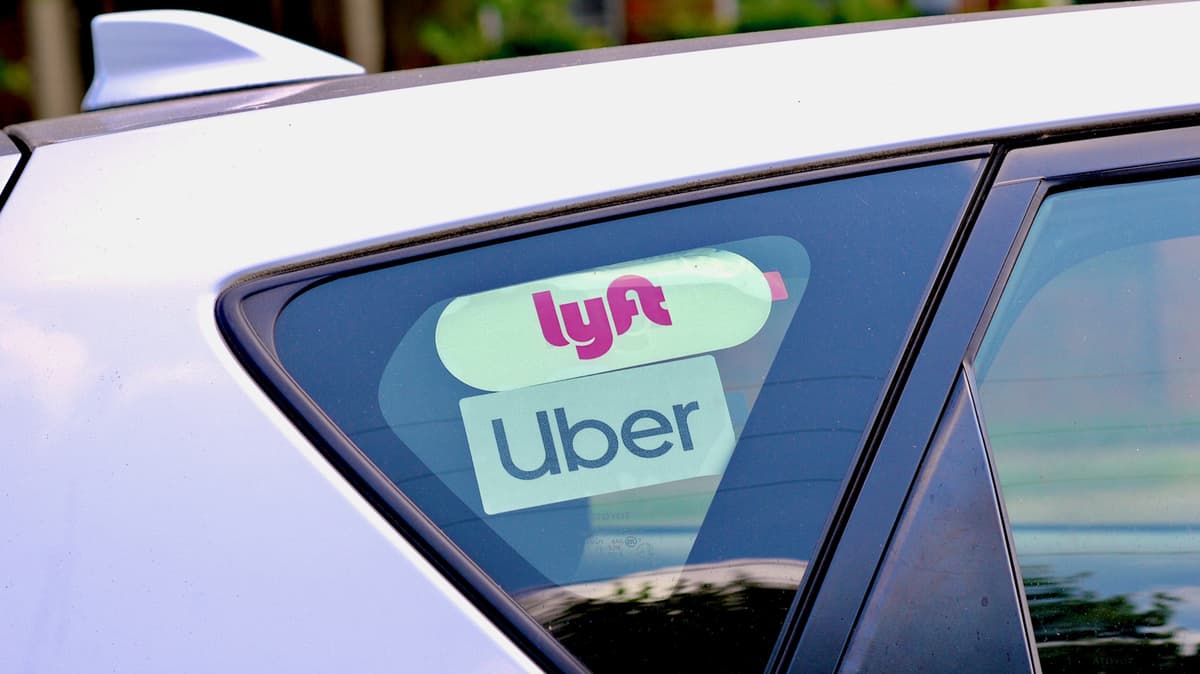
Rideshare platforms mitigate some risk by providing limited‑liability coverage during three distinct phases: the app‑on period while waiting for a request, the en‑route phase to pick up a passenger, and the trip itself. Uber, for example, offers up to $50,000 per person for bodily injury and $100,000 per accident, with a $25,000 property damage limit while drivers are online but idle. Once a ride begins, coverage jumps to $1 million, subject to a $2,500 deductible and the driver’s underlying personal policy. However, these protections evaporate the moment a driver goes offline, leaving a dangerous gap that many insurers fill with a rideshare endorsement that can cost $250‑$350 per month in high‑cost markets like New York.
For drivers, the financial calculus now includes not just fuel and vehicle depreciation but also the premium for adequate rideshare insurance. Insurers are responding with tiered products that bundle personal and commercial coverage, while some states are considering legislation to mandate minimum rideshare insurance standards. As platforms continue to scale, drivers who proactively secure comprehensive coverage will protect their earnings and reduce liability exposure, ultimately supporting a more sustainable gig workforce.
Why Do Rideshare Drivers Need Special Car Insurance?
Comments
Want to join the conversation?
Loading comments...