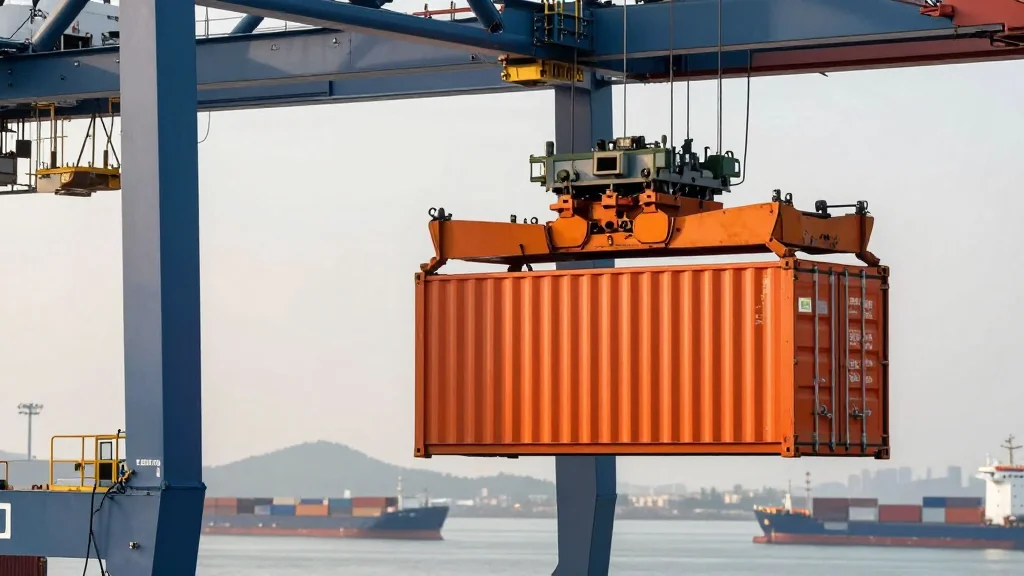
Why ‘Grossly Inefficient’ U.S. Ports Need Automation, and the Danger in a New Arctic Sea Route
Companies Mentioned
Why It Matters
Modernizing U.S. ports is critical to restoring maritime competitiveness, safeguarding supply‑chain resilience, and countering emerging geopolitical shifts in global shipping routes.
Key Takeaways
- •Automation can increase port throughput without massive job losses
- •Permitting delays, like Port Everglades’ 10‑year dredging hold, stall growth
- •Rail merger could disadvantage Baltimore, Gulf, and East Coast ports
- •Arctic Northern Sea Route cuts Asia‑Europe transit by 12‑22 days
- •FMC seeks coordinated policy with Surface Transportation Board
Pulse Analysis
The United States faces a stark productivity gap in its maritime gateway network. While Asian and European ports leverage robotics, AI‑driven yard management, and real‑time data sharing, many U.S. terminals still rely on manual processes that inflate dwell times and labor costs. DiBella’s call for automation is not merely a technology push; it is a strategic imperative to attract private capital, shorten vessel turnaround, and keep American exporters competitive in a market where speed translates directly into cost savings.
Compounding the efficiency challenge are regulatory and infrastructure headwinds. The Port Everglades dredging project, stalled for over a decade due to permitting hurdles, exemplifies how environmental reviews and inter‑agency coordination can delay critical capacity upgrades. Simultaneously, the proposed Union Pacific‑Norfolk Southern merger threatens to re‑route freight flows away from vulnerable East Coast ports, potentially eroding the economic base of hubs like Baltimore and Mobile. The FMC’s intent to work closely with the Surface Transportation Board reflects a broader need for cross‑modal policy alignment that treats ports, rail, and trucking as a single supply‑chain ecosystem.
Finally, the emergence of the Arctic Northern Sea Route adds a geopolitical dimension to U.S. maritime strategy. Chinese‑flagged vessels claim an 18‑day Asia‑Europe transit, shaving up to three weeks off traditional Pacific routes. If Alaska’s ports can secure funding to handle larger, ice‑class vessels, the United States could capture a share of this high‑value lane. However, increased Russian and Chinese presence raises security concerns, prompting the FMC to incorporate defense considerations into its chokepoint study. Balancing infrastructure investment, regulatory reform, and strategic foresight will determine whether U.S. ports can transition from a bottleneck to a competitive advantage.
Why ‘grossly inefficient’ U.S. ports need automation, and the danger in a new Arctic sea route
Comments
Want to join the conversation?
Loading comments...