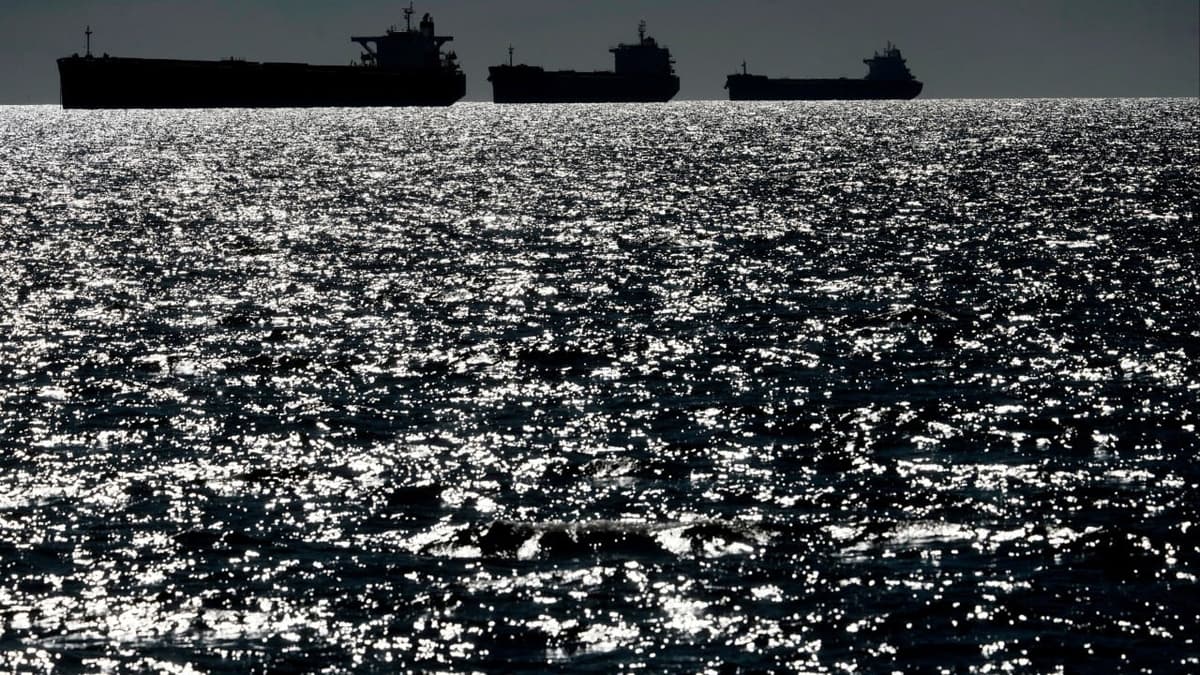
Why Oil-Hungry Asia Ignores Risks Linked to Russia’s ‘Dark Fleet’
Why It Matters
The trend deepens Asia’s exposure to sanctioned Russian oil, creating geopolitical and security risks that Western sanctions struggle to mitigate, while regional legal gaps hinder effective enforcement.
Key Takeaways
- •India’s Russian crude imports rose to 1.9 m bpd in May 2026.
- •Indonesia aims for 150 m barrels (~700 k bpd) from Russia; one shipment arrived.
- •Malaysia is a dark‑fleet hub, logging >50 AIS manipulations each month.
- •UNCLOS limits ASEAN states from boarding sanctioned vessels without proof of crime.
- •Shangri‑La Dialogue’s Guiding Principles boost regional cooperation on undersea‑cable security.
Pulse Analysis
Rising Brent prices above $100 a barrel and disruptions in the Strait of Hormuz have pushed Asian importers to secure alternative supplies, making Russian crude an attractive, albeit sanctioned, option. India’s near‑tripling of daily Russian oil imports and Indonesia’s ambitious, yet nascent, procurement plans illustrate how energy security concerns outweigh diplomatic pressure. This shift underscores a broader recalibration of Asia’s fuel strategy, where immediate availability and price stability trump the political costs of dealing with a heavily sanctioned supplier.
The so‑called “dark fleet” of shadow tankers, largely operating out of Malaysia, exploits AIS signal manipulation to conceal movements, complicating monitoring and enforcement. Analysts warn that these vessels could serve as platforms for sabotage, including undersea‑cable attacks, environmental spills, and illicit ship‑to‑ship transfers. However, the United Nations Convention on the Law of the Sea (UNCLOS) restricts regional authorities from boarding or detaining vessels without concrete evidence of criminal activity, creating a legal blind spot that Russia’s fleet readily exploits. This gap hampers ASEAN’s ability to address security threats tied to sanctioned oil shipments.
In response, regional actors are bolstering maritime infrastructure resilience. The recent adoption of the Guiding Principles for Underwater Infrastructure Defence Exchanges at the Shangri‑La Dialogue signals a coordinated effort to protect critical submarine cables spanning the Asia‑Pacific. While major powers like the United States and China abstained, the framework encourages information sharing and joint surveillance among 17 participating nations. As Asian economies balance energy needs with emerging security concerns, the interplay between sanctions, legal constraints, and cooperative defence mechanisms will shape the future of regional maritime stability.
Why oil-hungry Asia ignores risks linked to Russia’s ‘dark fleet’
Comments
Want to join the conversation?
Loading comments...