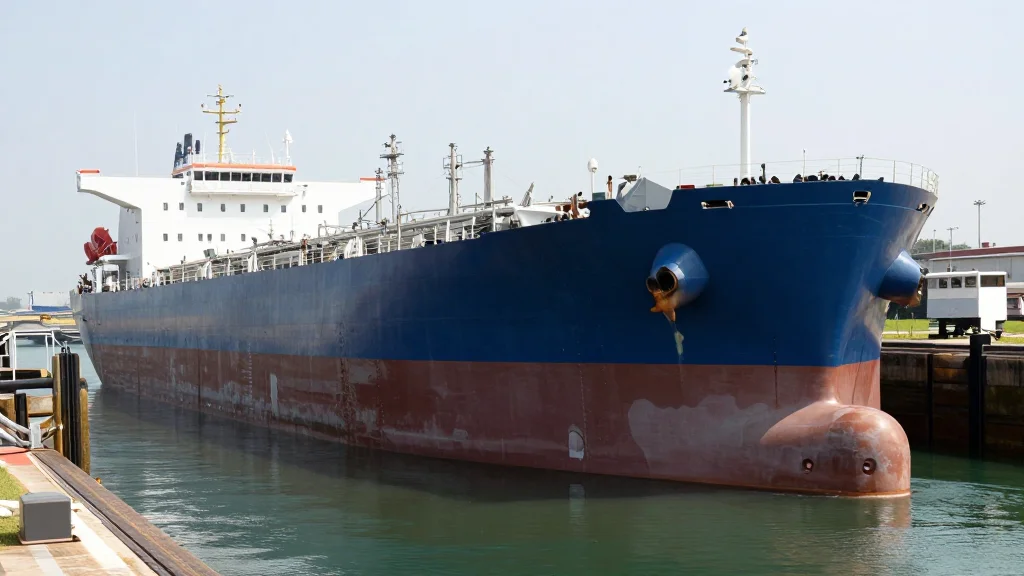
With the Strait of Hormuz Closed, the Panama Canal Is Busier than Ever. It Should Use This Windfall Wisely.
Why It Matters
Higher Panama Canal traffic provides a reliable alternative amid Middle‑East volatility, but water scarcity and aging infrastructure could limit long‑term capacity if revenues aren’t reinvested wisely.
Key Takeaways
- •Daily transits up 20% to 41 vessels, driven by oil tankers
- •Auction slot bids jumped from $135k to $385k average
- •Canal revenues rose up to 15% amid heightened demand
- •Water scarcity forces transit limits despite revenue windfall
- •Modernization plan aims to secure water efficiency over next decade
Pulse Analysis
The sudden shutdown of the Strait of Hormuz has reshaped global shipping routes, channeling a wave of oil‑laden vessels toward the Panama Canal. With roughly 70% of canal traffic linked to the United States, the waterway has become a critical lifeline for energy exporters seeking certainty. Daily transits have climbed from the low‑30s to a peak of 41, and the auction‑based slot system now commands bids three times higher than pre‑conflict levels, underscoring the premium placed on safe passage.
While the revenue boost—up to 15% year‑to‑date—offers Panama a rare fiscal surplus, the canal’s lock system is increasingly vulnerable to water shortages. El Niño‑driven droughts have already forced a 40% reduction in transits during past dry spells, and a projected Super El Niño threatens to exacerbate the strain. Each ship requires millions of gallons of fresh water to lift vessels to Gatún Lake, so higher traffic intensifies demand on an already limited supply, compelling the authority to balance earnings with sustainable water allocation.
The financial windfall presents a strategic crossroads. Reinvesting auction premiums into lock modernization, water‑saving technologies, and critical infrastructure such as culverts and valves can safeguard capacity for decades. A ten‑year upgrade plan, if fully funded, would enhance efficiency and reduce water consumption, preserving the canal’s role as a dependable shortcut in an unstable geopolitical climate. For U.S. exporters and global traders, the canal’s ability to adapt will determine whether it remains a resilient conduit or a bottleneck in future supply‑chain disruptions.
With the Strait of Hormuz closed, the Panama Canal is busier than ever. It should use this windfall wisely.
Comments
Want to join the conversation?
Loading comments...