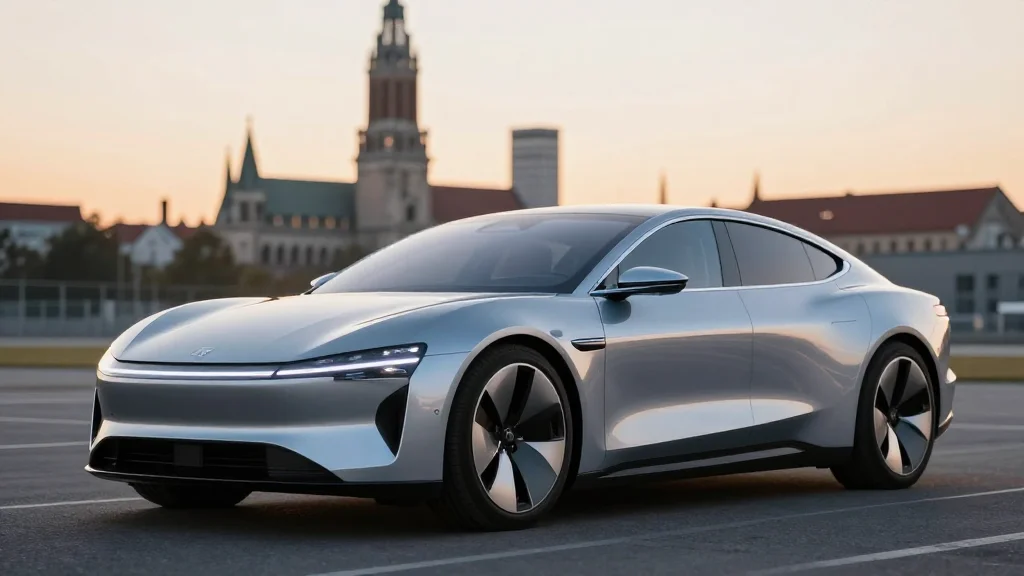
Xiaomi Has Conquered China. It’s About To Put the Screws To Europe
Companies Mentioned
Why It Matters
Xiaomi’s European push adds a new premium‑tech challenger to a market dominated by Tesla and legacy automakers, potentially reshaping pricing and innovation dynamics. Its software‑centric platform could accelerate localization, giving it a competitive edge in meeting EU regulations and consumer preferences.
Key Takeaways
- •Xiaomi opened Munich R&D center staffed by former BMW engineers
- •Over 600,000 Chinese EVs sold in two years, now profitable
- •European launch targeted for 2027 with localized ride dynamics
- •Software‑driven platform enables rapid adaptation to EU standards
- •Premium branding aims to compete with Tesla and European marques
Pulse Analysis
Xiaomi’s meteoric rise in the electric‑vehicle space mirrors its earlier success in smartphones. After debuting its first model in 2021, the company quickly captured a sizable slice of China’s crowded EV market, moving more than 600,000 units and posting a profit—an achievement many domestic rivals still chase. This momentum has allowed Xiaomi to invest heavily in R&D, leveraging its expertise in integrated hardware‑software ecosystems to differentiate its vehicles from price‑focused Chinese competitors.
The newly announced Munich facility underscores Xiaomi’s commitment to European expansion. By recruiting veterans from BMW’s M4 GT3 program, Porsche’s performance division and Lamborghini’s engineering teams, the firm gains deep insight into the driving dynamics prized by European consumers. Its vehicles, built around a highly modular software architecture, can adjust suspension settings, steering response and infotainment features with a few code changes, streamlining compliance with EU safety and emissions standards while preserving a premium feel.
For Europe, Xiaomi represents both a fresh source of competition and a test of Chinese brand perception. If the company can deliver the promised blend of high‑tech features, performance and refined ride quality, it could erode market share from incumbents such as Volkswagen, BMW and Tesla. Moreover, Xiaomi’s entry may accelerate the industry’s shift toward software‑first vehicle development, prompting legacy makers to rethink their own digital strategies. The 2027 rollout will be closely watched as a bellwether for how quickly Chinese EV innovators can translate domestic success into global relevance.
Xiaomi Has Conquered China. It’s About To Put the Screws To Europe
Comments
Want to join the conversation?
Loading comments...