
Key Takeaways
- •Isfahan hosts two UNESCO World Heritage sites
- •17th‑century Isfahan rivaled London and Paris
- •Recent missile strikes damaged historic landmarks
- •City’s history spans Bronze Age to Sassanid era
- •Tourism once thrived on cultural architecture
Pulse Analysis
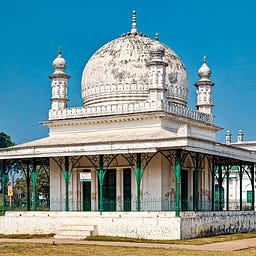
Isfahan’s skyline, punctuated by the Shah Mosque and Naqsh‑i‑Jahan Square, has long symbolized Persian architectural mastery. The city’s urban fabric blends Safavid-era boulevards with remnants of Bronze Age settlements, earning it a place alongside Venice and Istanbul in world‑heritage rankings. UNESCO’s designation of the historic centre highlights the intricate tile work, vaulted arches, and riverfront gardens that draw scholars and travelers alike, making Isfahan a cornerstone of Iran’s cultural tourism portfolio.
In recent weeks, missile impacts near Naqsh‑i‑Jahan Square have scarred the city’s iconic structures, raising alarms among conservationists. Damage to centuries‑old mosques and bazaars not only erodes physical heritage but also disrupts the social fabric that relies on these sites for community identity and economic activity. Preservation experts warn that without immediate stabilization and documentation, irreversible loss could occur, compounding the humanitarian toll of the ongoing conflict.
The fallout extends beyond Iran’s borders; global heritage bodies view Isfahan as a keystone of human history. Continued attacks jeopardize future tourism revenues, which previously contributed significantly to the local economy. International partnerships and funding for emergency restoration could help safeguard the city’s legacy, ensuring that Isfahan remains a living museum rather than a war‑torn relic. Stakeholders are urged to prioritize cultural protection as part of broader diplomatic efforts to stabilize the region.
Isfahan: Iran's Most Beautiful City
Comments
Want to join the conversation?