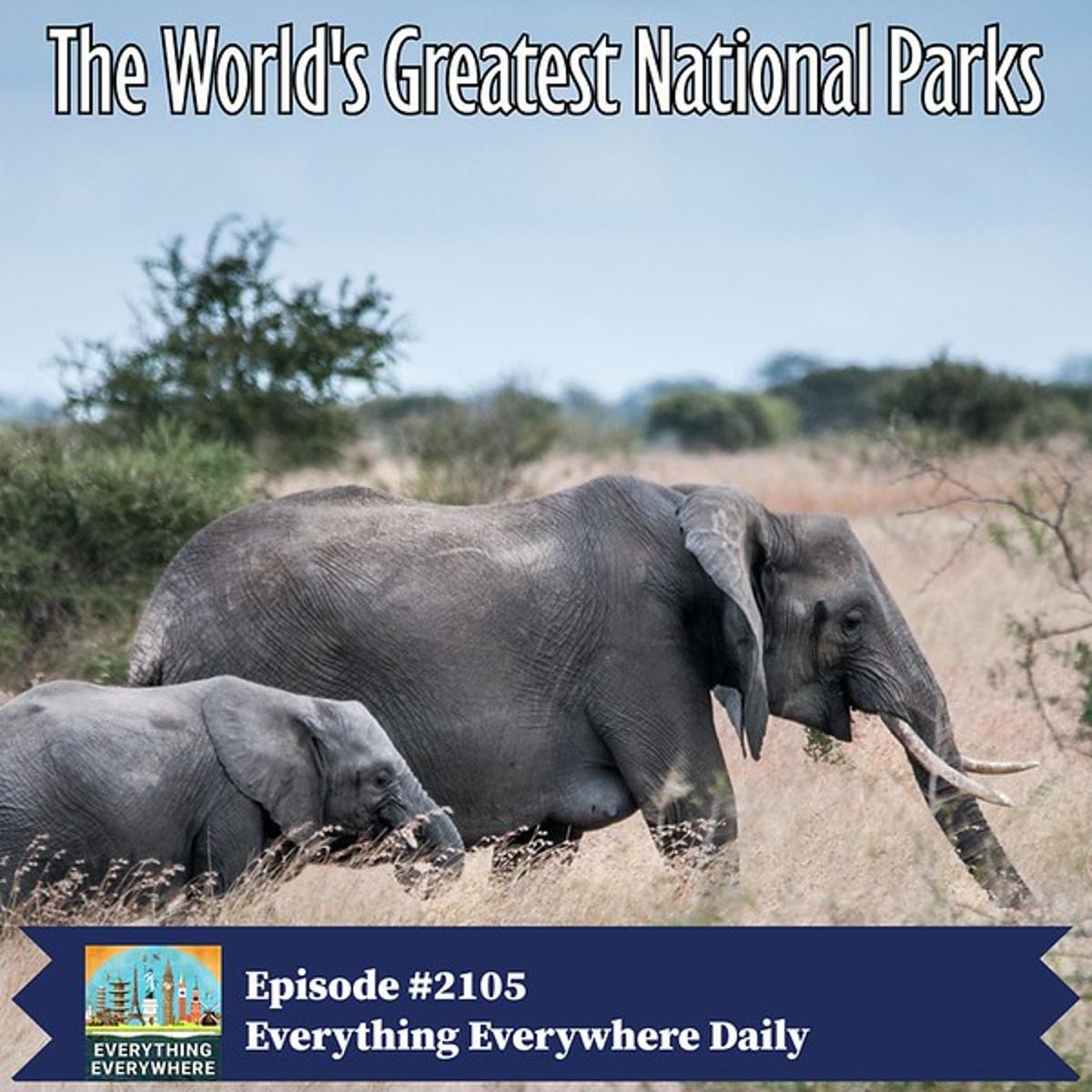
The Greatest National Parks in the Southern Hemisphere
Key Takeaways
- •Kakadu spans ~20,000 sq km, blending wetlands and Indigenous rock art
- •Fiordland’s 12,000 sq km glacial fjords host rare species like the takahe
- •Galápagos National Park protects unique wildlife on islands 1,000 km off Ecuador
- •Iguazú Falls comprise 275 waterfalls over 3 km, attracting worldwide visitors
- •Kruger’s 20,000 sq km savanna supports the “big five” and 500+ bird species
Pulse Analysis
The Southern Hemisphere hosts some of the world’s most iconic protected landscapes, and their appeal is increasingly translating into economic growth for surrounding regions. In Australia, Kakadu’s blend of wetlands and ancient rock art draws adventure travelers who spend on local tours, accommodations, and Indigenous cultural experiences. New Zealand’s Fiordland fuels high‑value cruise and boutique‑hotel markets, while the Galápagos Islands command premium eco‑tourism rates, contributing millions of dollars annually to Ecuador’s GDP. Across South America, Iguazú’s dramatic waterfalls and Los Glaciares’ glacier spectacles attract international visitors, reinforcing the tourism‑conservation nexus.
Beyond revenue, these parks serve as critical reservoirs of biodiversity facing mounting climate pressures. Rising temperatures threaten Kakadu’s seasonal wet‑dry cycles, altering habitats for crocodiles and migratory birds. Fiordland’s temperate rainforests are vulnerable to shifting precipitation patterns, endangering endemic flora like the takahe. The Galápagos’ isolated ecosystems confront invasive species and ocean warming, while the Patagonian ice fields of Los Glaciares are receding at unprecedented rates. In Africa, Kruger’s savanna battles poaching and habitat fragmentation, and Namibia’s Namib‑Naukluft endures desertification amplified by coastal climate shifts. Conservation funding, often sourced from visitor fees and international grants, is essential to mitigate these threats.
Looking ahead, sustainable travel trends and digital storytelling—exemplified by podcasts such as Everything Everywhere Daily—are reshaping how audiences discover and support these natural treasures. Travelers increasingly seek authentic, low‑impact experiences, prompting park managers to invest in eco‑friendly infrastructure and community‑based tourism models. Meanwhile, heightened media exposure amplifies advocacy for stronger protection policies and climate resilience initiatives. As global demand for nature‑based tourism grows, the Southern Hemisphere’s national parks are poised to play a pivotal role in both economic development and the preservation of Earth’s irreplaceable ecosystems.
The Greatest National Parks in the Southern Hemisphere
Comments
Want to join the conversation?