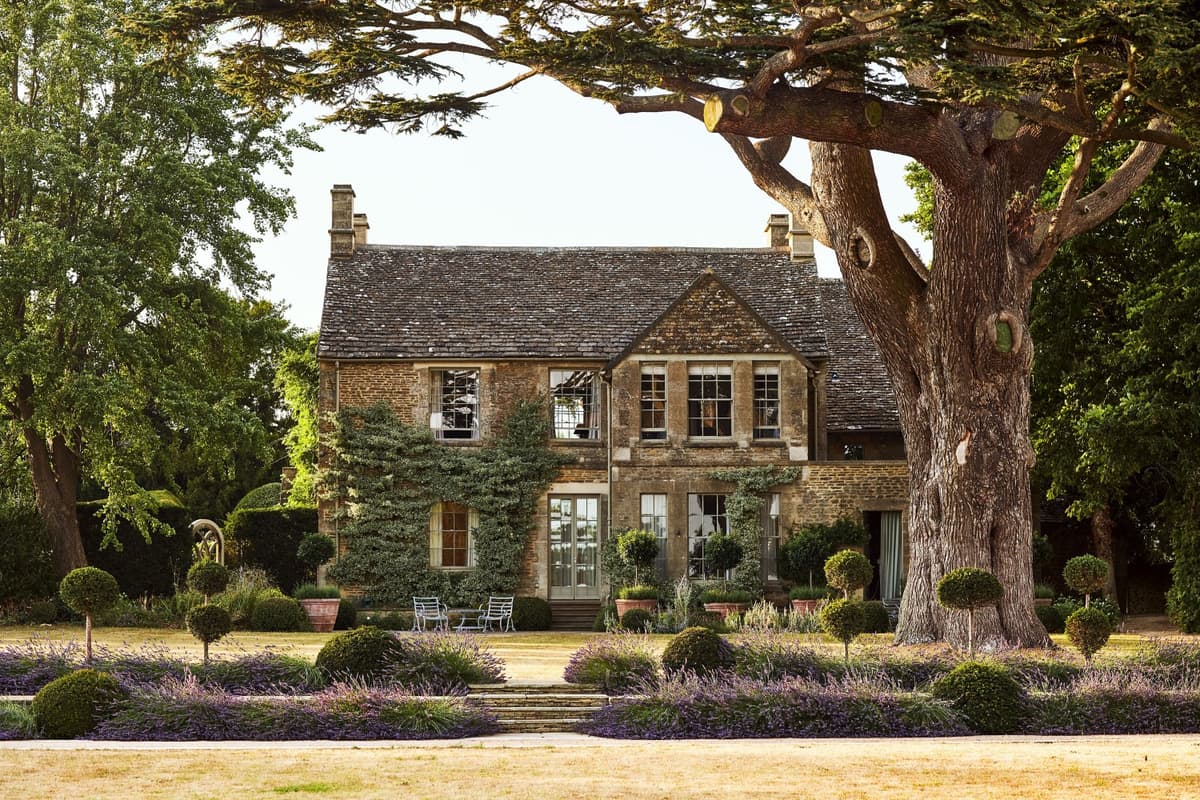
This Cotswolds Hotel Will Have You Browsing Barbours on the Train Home
Key Takeaways
- •31 rooms blend historic cottages with modern high‑tech amenities.
- •On‑site restaurant sources daily menus from estate’s kitchen garden.
- •Biomass heating and spring water supply underline strong sustainability credentials.
- •Family‑run model expands from cookery school to hotel, spa, retail.
- •Nightly rates start around £450 ($576), targeting affluent urban travelers.
Pulse Analysis
The UK’s luxury countryside sector has surged as travelers trade city bustle for immersive, environmentally conscious retreats. Boutique properties that weave local agriculture, heritage architecture, and wellness into a seamless narrative are commanding premium prices, and Thyme sits squarely at this intersection. By leveraging 60 hectares of organic gardens and a biomass heating system, the hotel not only reduces its carbon footprint but also creates a self‑sustaining supply chain that feeds its acclaimed restaurant and bar, reinforcing the farm‑to‑table ethos that modern diners crave.
Thyme’s offering extends beyond lodging. Guests can partake in horticultural tours, yoga classes, and bespoke floristry workshops, while the on‑site Meadow Spa uses spring‑fed water for treatments that echo the surrounding meadowland. Culinary leadership comes from chef Charlie Hibbert, whose menu changes daily based on garden harvests, complemented by a curated English sparkling wine list that includes labels like Sugrue South Downs’ The Trouble With Dreams MV. The brand’s expansion into London via a Bertioli shop illustrates a strategic move to translate the estate’s story to an urban audience, creating additional touchpoints and revenue streams.
For investors and operators, Thyme’s model highlights the profitability of diversification. By integrating hospitality, retail, wellness, and education, the property mitigates seasonal occupancy risks and deepens guest loyalty. Its price point—£450 per night (about $576)—targets high‑spending Londoners and international visitors, especially Americans drawn to the quintessential English countryside aesthetic. As demand for experiential travel grows, similar family‑run estates that combine sustainability with luxury are poised to capture a larger share of the upscale market, prompting larger chains to consider partnerships or acquisitions in this niche.
This Cotswolds Hotel Will Have You Browsing Barbours on the Train Home
Comments
Want to join the conversation?