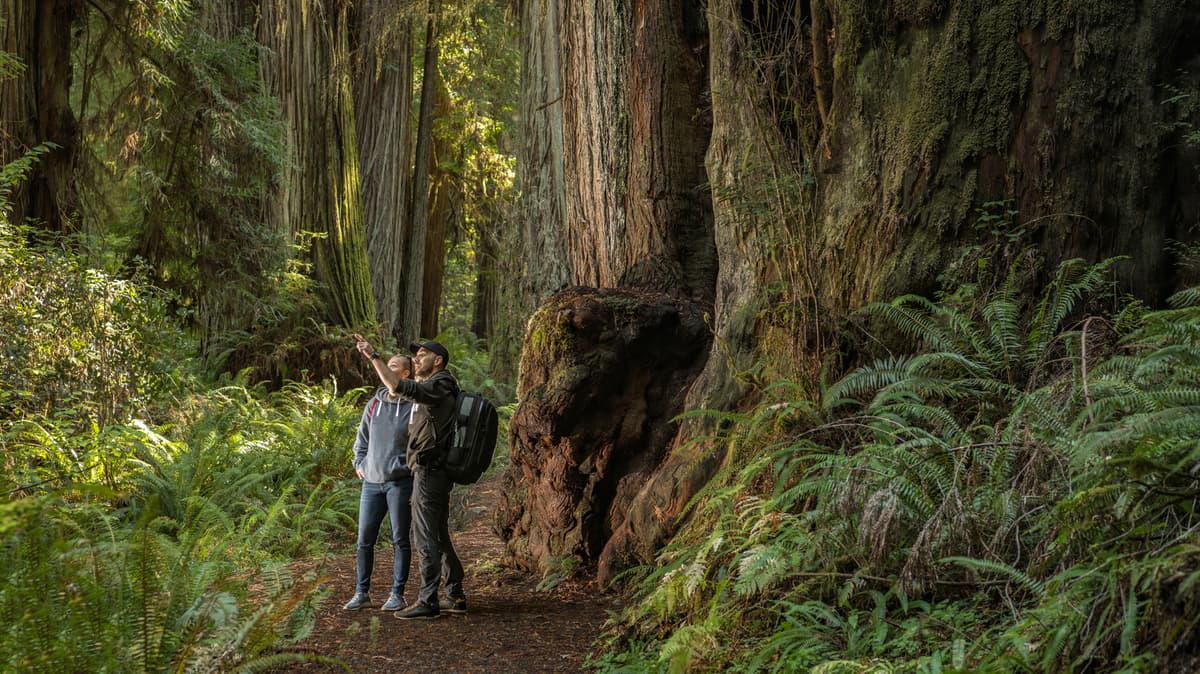
10 Old-Growth Forests That Have Been Around Longer Than America Itself
Why It Matters
Preserving these ancient forests safeguards biodiversity, carbon storage, and cultural heritage, while offering unique recreation opportunities that drive local economies.
Key Takeaways
- •Tongass National Forest spans ~17 million acres, larger than West Virginia
- •Only ~7 % of U.S. forestland remains old‑growth
- •Jedediah Smith Redwoods holds a 2,500‑year‑old redwood
- •Adirondack State Park protects up to 440,000 acres of ancient forest
- •Burnwood forest includes trees dating back to the 1670s
Pulse Analysis
Old‑growth forests are living archives of North America’s ecological history, yet they now comprise a fraction of the continent’s woodlands. Before European settlement the United States was cloaked in roughly one billion acres of forest, but relentless logging has reduced that legacy to about 7 % of current forest cover. These remnants, ranging from the temperate rainforests of the Pacific Northwest to the hardwoods of the Appalachians, store vast amounts of carbon, support species that cannot thrive elsewhere, and provide scientists with baseline data on climate resilience.
The ten forests highlighted illustrate the geographic breadth of America’s ancient woodlands. Tongass in Alaska, at nearly 17 million acres, dwarfs many states and shelters trees up to a millennium old. The Hoh Rainforest’s moss‑laden canopies, the towering redwoods of Jedediah Smith State Park, and the rugged old‑growth patches of the Adirondacks each offer distinct ecosystems and recreational experiences, from short interpretive loops to multi‑day backcountry treks. Visitor numbers to these sites have risen, fueling local tourism while also raising concerns about trail erosion and habitat disturbance.
Conservation of these irreplaceable landscapes hinges on coordinated policy, funding, and community engagement. Federal designations, such as national parks and wilderness areas, protect large tracts, but many old‑growth stands sit on state or private lands where logging pressures persist. Climate change adds urgency, as these forests act as carbon sinks and refuges for species shifting their ranges. Investing in restoration, invasive‑species control, and sustainable tourism can extend the lifespan of these ancient ecosystems, ensuring they continue to enrich both the environment and the economy for generations to come.
10 Old-Growth Forests That Have Been Around Longer Than America Itself
Comments
Want to join the conversation?
Loading comments...