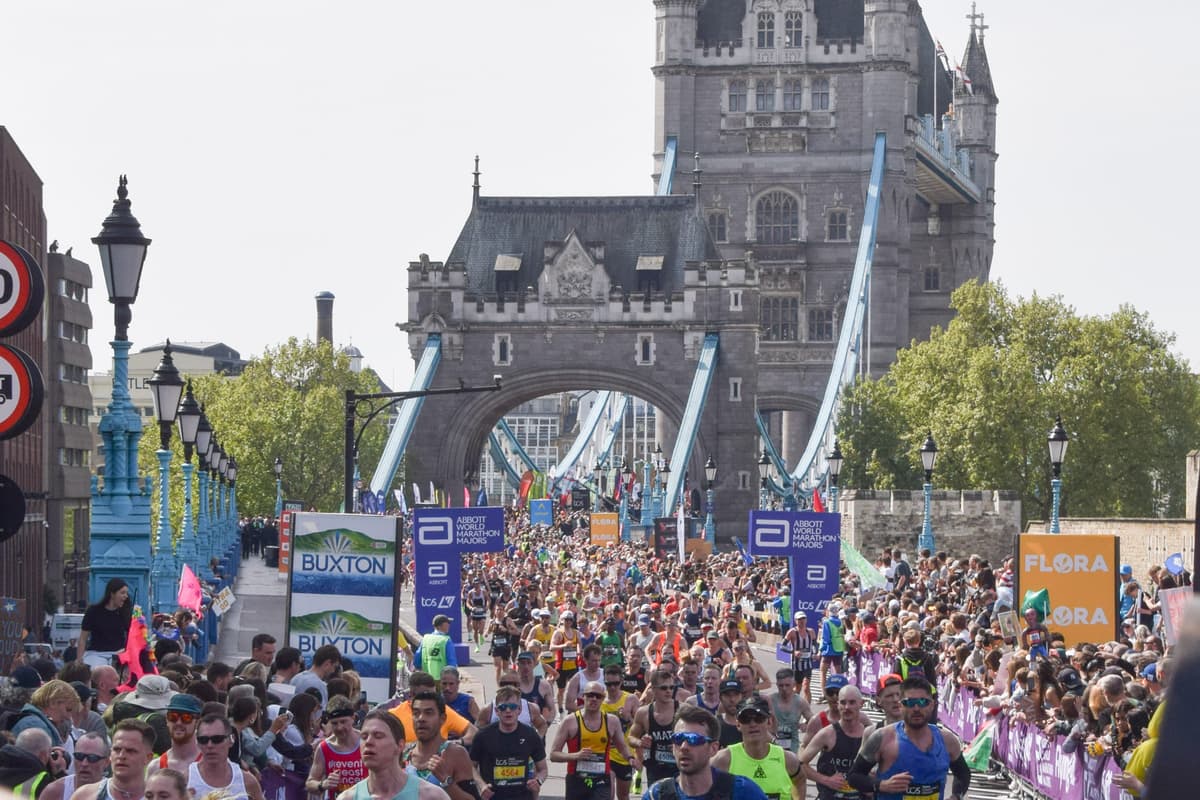
Why It Matters
Running tourism is emerging as a lucrative niche, reshaping travel planning for athletes and creating new revenue streams for tour operators. Understanding how to execute a seamless runcation helps runners stay healthy while capitalizing on this growing market.
Key Takeaways
- •37% of surveyed runners will travel over 500 miles for a race
- •Choose distance first, then match destination to training needs
- •Group tours handle logistics, guide runs, and foster runner community
- •Pack dual shoes and weather‑ready gear for varied terrain
- •Taper training and schedule recovery to avoid injury on vacation
Pulse Analysis
The convergence of marathon culture and travel is fueling a new segment called "runcation," where athletes seek destination races as part of broader vacations. The 2024 Global Running Survey underscores this shift, revealing that more than a third of respondents are prepared to cross half‑thousand‑mile distances for a race. Travel firms such as Rogue Expeditions and Runcation Travel have responded with curated itineraries that blend competitive events, cultural excursions, and culinary experiences, turning a single race into a multi‑day adventure. This trend not only diversifies revenue for tourism operators but also expands the market for specialty gear, training programs, and recovery services tailored to on‑the‑go athletes.
Effective runcation planning begins with the runner’s primary goal: the distance they intend to cover. Selecting a marathon, half‑marathon, or multi‑day trail challenge first narrows destination options and informs training cycles. Athletes should align their regimen with the terrain—inclines for mountain routes, pavement for city marathons—and incorporate a tune‑up race 3‑6 weeks before departure. Packing strategy is equally critical; dual shoes for road and trail, layered weather‑ready apparel, and compact recovery tools like foam rollers can prevent setbacks and enhance performance across varied climates.
Group travel offers a pragmatic solution for many runners, eliminating logistical headaches while fostering a community of like‑minded travelers. Guided tours provide on‑ground support, from route scouting to post‑run recovery facilities, allowing participants to focus on the experience rather than navigation. Nevertheless, even on a guided runcation, athletes must prioritize tapering and recovery—allocating downtime, gentle movement, and proper nutrition to mitigate injury risk. As the market matures, we can expect more sophisticated packages, data‑driven personalization, and expanded destinations, cementing runcations as a staple of both the running and travel industries.
10 Tips for Planning the Perfect Runcation
Comments
Want to join the conversation?
Loading comments...