15 Things You only Understand About Japan After You've Been There
Companies Mentioned
Why It Matters
The blend of ultra‑reliable transport, meticulous service and culturally rich experiences fuels repeat tourism, boosting Japan’s economy and setting new benchmarks for hospitality worldwide.
Key Takeaways
- •Japan welcomed a record 42.7 million tourists in 2025, many returning.
- •Shinkansen delays average seconds; network integrates buses, subways via Suica/Pasmo.
- •Convenience stores offer fresh meals and services like bill payment, parcel pickup.
- •Omotenashi hospitality anticipates guest needs without tipping, shaping service standards.
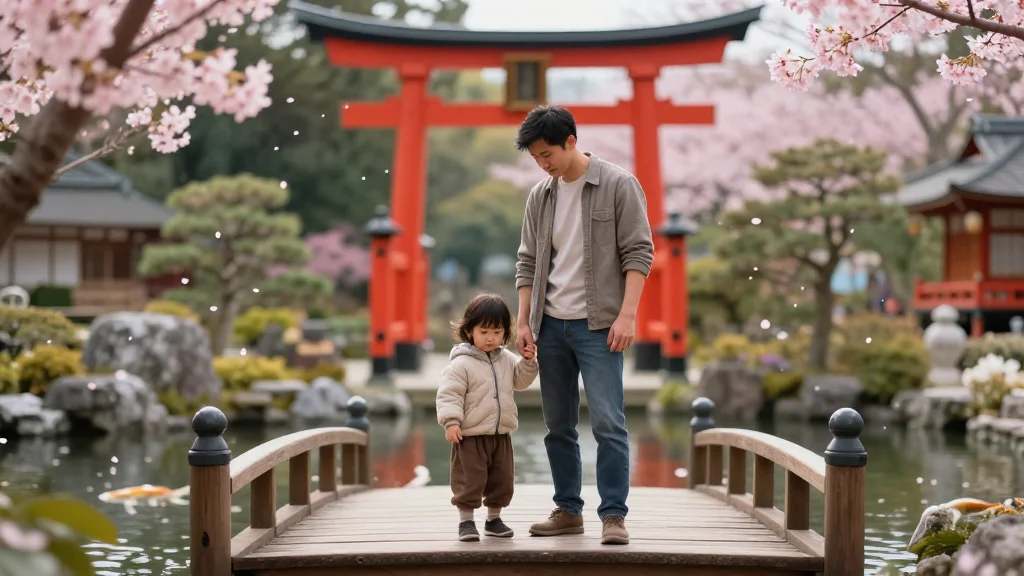
- •Seasonal rituals—from cherry blossoms to onsen—embed nature into daily life.
Pulse Analysis
Japan’s tourism surge in 2025 underscores a shift from one‑off sightseeing to a repeat‑visit model rarely seen elsewhere. Travelers are drawn back by a combination of flawless logistics—bullet‑train delays measured in seconds and a unified IC‑card system that eliminates ticket hassles—and a service culture that anticipates needs before they are voiced. This reliability not only raises visitor satisfaction but also drives higher per‑capita spending, reinforcing Japan’s position as a premium destination.
Beyond transport, everyday touchpoints such as konbini (convenience stores) illustrate how Japanese businesses fuse quality with convenience. A typical onigiri or a hot nikuman costs roughly ¥900 (about $6), while a set lunch is around ¥1,500 (≈ $10), offering gourmet‑level meals at budget prices. These stores also double as bill‑payment centers, parcel lockers and ticket kiosks, turning a simple stop into a micro‑service hub. The omnipresent principle of omotenashi—hospitality that silently fulfills guest expectations—elevates even routine interactions, influencing global service standards and encouraging foreign operators to adopt similar practices.
Culturally, Japan’s commitment to craftsmanship, seasonality and the wabi‑sabi aesthetic deepens the visitor experience. From shokunin chefs mastering a single dish for years to onsen baths that vary by mineral composition, the country embeds nature and imperfection into daily life. Seasonal events like cherry‑blossom hanami or autumn momiji draw crowds that celebrate fleeting beauty, while the seamless coexistence of centuries‑old shrines beside modern skyscrapers showcases a living dialogue between past and future. This rich tapestry not only attracts high‑spending tourists but also offers a template for other economies seeking to blend heritage with innovation.
15 things you only understand about Japan after you've been there
Comments
Want to join the conversation?
Loading comments...