Why It Matters
Understanding optimal travel patterns and accessibility in Serbia helps tourism operators tailor services, boosting visitor satisfaction and regional economic growth.
Key Takeaways
- •Base in one town reduces travel fatigue.
- •Day trips cover major sites efficiently.
- •Many monasteries lack wheelchair ramps.
- •Public transport limited in rural regions.
- •Early May weather favorable for outdoor activities.
Pulse Analysis
Planning a two‑week journey through Serbia in late May requires balancing travel distance with the desire to experience a wide range of cultural and natural attractions. Most visitors find a hybrid approach—establishing a comfortable base in a well‑connected city such as Belgrade or Novi Sad and taking day trips to nearby sites—reduces fatigue and simplifies logistics. Public buses and regional trains link major towns, but rural areas like the Iron Gates or Uvac canyon often demand a rental car, making nightly accommodation changes practical for remote destinations.
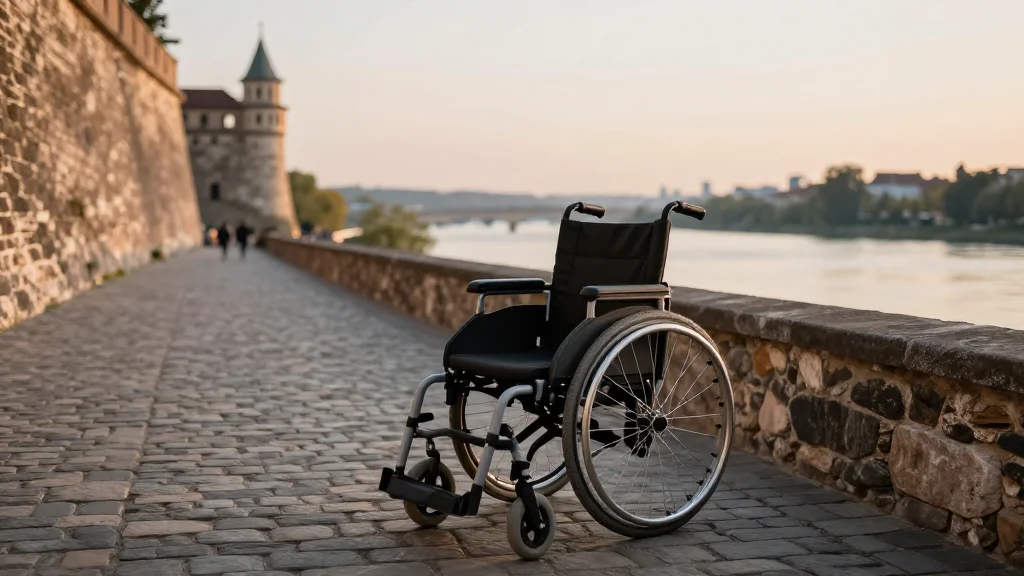
Accessibility is a critical factor for travelers with limited mobility. While Belgrade’s museums, the Kalemegdan fortress, and some larger monasteries such as Studenica have ramp access and wheelchair‑friendly pathways, many historic sites, especially smaller medieval monasteries and natural parks, retain uneven terrain and narrow staircases. Travelers should prioritize locations with proven accessibility, contact local tourism offices in advance, and consider hiring a local guide who can navigate challenging sections. In some cases, staying overnight in a nearby town with better facilities and arranging a short, assisted visit to the site can provide a more comfortable experience.
Serbia’s tourism sector is increasingly targeting diverse visitor segments, and itineraries like this showcase the country’s potential to attract longer‑stay, high‑value tourists. By offering clear information on transport options, accommodation strategies, and accessibility, travel agencies can differentiate their services and encourage repeat visits. Moreover, promoting accessible travel supports inclusive growth, aligns with European Union tourism standards, and helps local economies benefit from the spending power of international travelers seeking authentic cultural experiences.
2 weeks in Serbia in late May?
Comments
Want to join the conversation?
Loading comments...