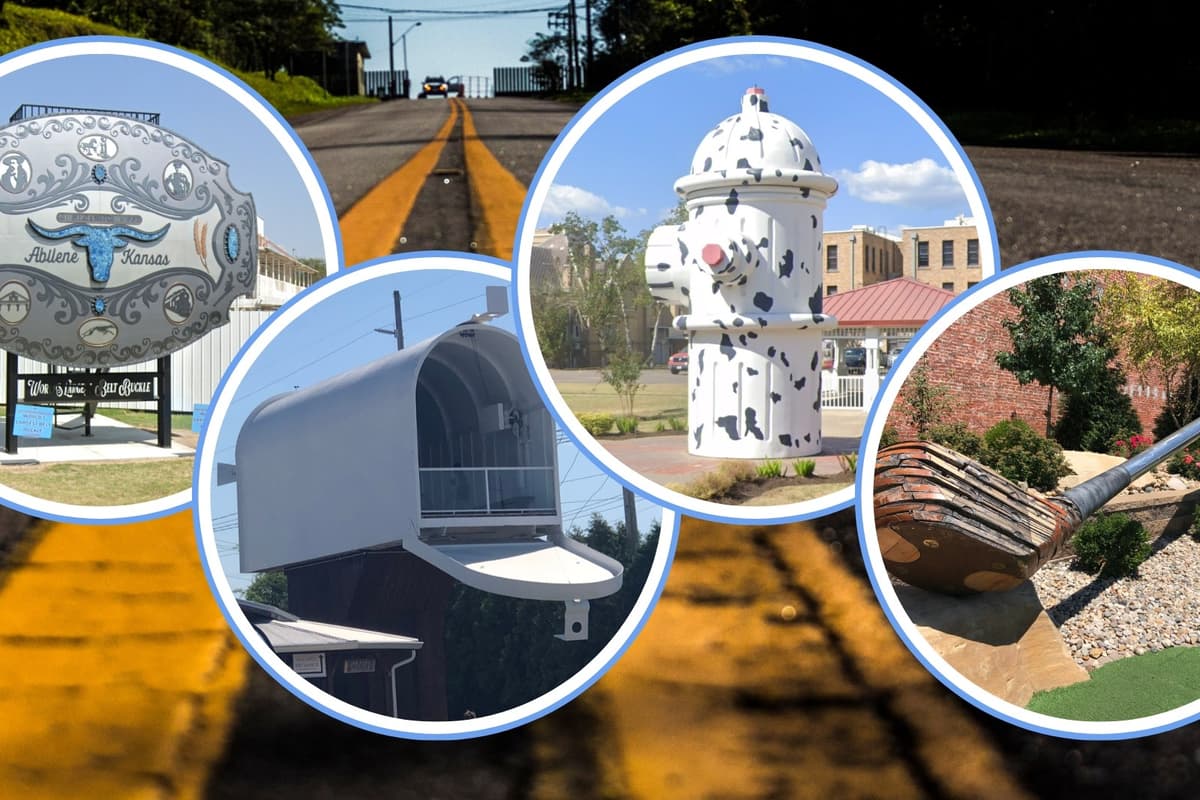
25 Quirky 'World's Largest' Roadside Attractions You Have to See
Why It Matters
These attractions generate measurable tourism revenue for small municipalities, helping sustain hotels, restaurants, and retail. Their viral appeal also strengthens regional branding, attracting a new generation of road‑trip enthusiasts.
Key Takeaways
- •Casey, Illinois draws tourists to 12 oversized novelty attractions.
- •World's largest roadside sites boost local economies with visitor spending.
- •Travelers seek affordable, Instagram‑ready stops across the United States.
- •Small towns leverage novelty landmarks to increase overnight hotel occupancy.
- •Roadside attractions inspire regional branding and community pride.
Pulse Analysis
The United States has a long tradition of roadside curiosities, from the giant dinosaur statues of the 1950s to today’s “world’s largest” novelties that pepper the map. Travelers on interstates and state highways often plan detours to snap photos beside oversized objects that promise a quick visual punch. Because they are free to view and located near basic amenities, these sites have become staple stops for families, influencers, and budget‑conscious tourists alike. Their ubiquity reflects a broader American love for spectacle and the democratization of travel experiences.
Economically, these oversized landmarks act as low‑cost marketing billboards that convert passing traffic into spending customers. In Casey, Illinois—a town of under 2,500 residents—12 giant installations generate an estimated $1.2 million in annual tourism revenue, supporting local diners, souvenir shops, and boutique hotels. Similar sites in Texas, Ohio, and Washington report comparable spikes in overnight stays during peak summer months. The viral nature of Instagram and TikTok amplifies exposure, turning a single photo into dozens of new visitors, which in turn sustains jobs and municipal tax bases.
Looking ahead, municipalities are increasingly integrating these attractions into broader destination strategies, pairing them with festivals, local food tours, and heritage trails. Planners recognize that novelty alone may wane, so they invest in complementary amenities such as visitor centers and interactive exhibits to extend dwell time. For travelers, the appeal lies in the blend of nostalgia, shareable content, and the promise of a quick, affordable adventure. As road‑trip culture resurges post‑pandemic, the “world’s largest” label will likely remain a potent catalyst for regional tourism growth.
25 Quirky 'World's Largest' Roadside Attractions You Have to See
Comments
Want to join the conversation?
Loading comments...