5 of the Best Hotels in Tokyo for Architecture and Design
Companies Mentioned
Why It Matters
The rise of design‑centric boutique hotels signals a shift in hospitality where aesthetic experience competes with price, attracting design‑savvy travelers and supporting local creative economies. This trend reshapes market expectations and offers new revenue models for artists and operators alike.
Key Takeaways
- •BnA_WALL lets artists earn revenue from each room booking
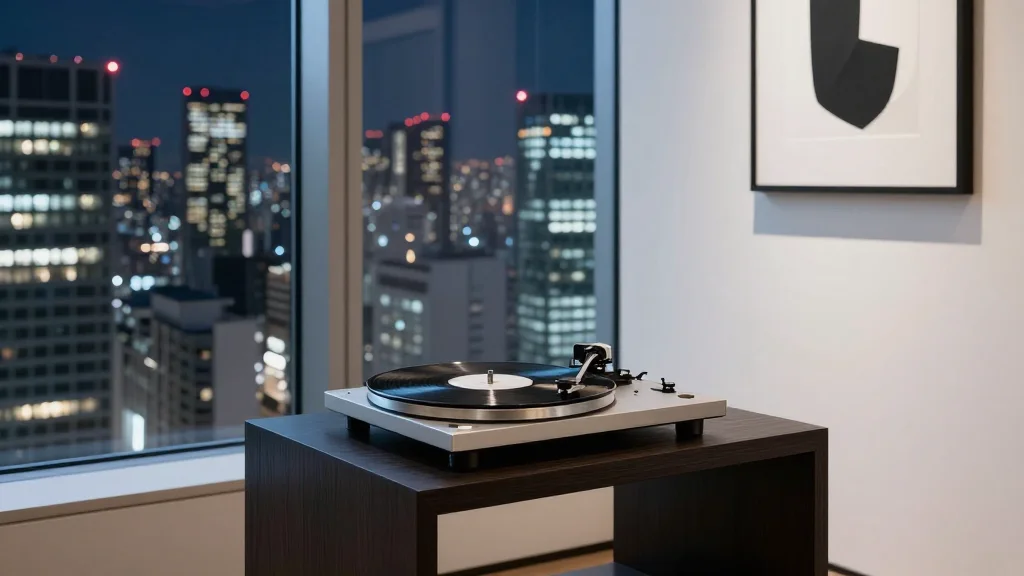
- •K5 replaces TVs with vinyl players, promoting slow leisure
- •Mesm Tokyo blends wave‑inspired interiors with sustainable amenities
- •Moxy Kinshicho offers millennial‑focused design at budget rates
- •Shibuya Stream Hotel integrates guest kitchen and fusion dining near Scramble Square
Pulse Analysis
Tokyo’s hospitality landscape is undergoing a design renaissance, moving beyond the traditional luxury‑only model to embrace boutique concepts that appeal to a broader audience. The Michelin Guide’s recent selection of five hotels underscores how architects, interior designers and cultural programmers are collaborating to create spaces that double as immersive art installations. This shift reflects a growing traveler appetite for experiences that engage the senses, turning a hotel stay into a curated cultural encounter rather than a mere place to sleep.
Each property illustrates a distinct business innovation. BnA_WALL’s artist‑revenue‑sharing model provides emerging creators with a passive income stream tied directly to guest preferences, while K5’s vinyl‑only entertainment encourages mindful consumption and reinforces its Swedish‑Japanese aesthetic. Mesm Tokyo’s "Tokyo waves" concept merges visual fluidity with eco‑friendly touches such as glass‑bottled mini‑fridge supplies, showcasing that sustainability can be a design statement. Marriott’s Moxy Kinshicho targets millennials by delivering high‑end amenities at a fraction of typical boutique prices, proving that style need not be prohibitively expensive. Meanwhile, Shibuya Stream Hotel leverages its location at the iconic Scramble Square, offering a guest kitchen and a Japanese‑French restaurant that echo the city’s blend of tradition and modernity.
For the industry, these hotels signal that design credibility can be a competitive moat, driving higher occupancy and premium rates even at mid‑scale price points. Travelers increasingly prioritize aesthetic authenticity, prompting operators worldwide to invest in localized art collaborations, sustainable material choices, and community‑centric programming. As Tokyo sets the benchmark, other global cities are likely to emulate this model, turning hotels into cultural hubs that benefit both guests and the local creative ecosystem.
5 of the best hotels in Tokyo for architecture and design
Comments
Want to join the conversation?
Loading comments...