7 of the Most Beautiful Downtowns in America — and They’re All Walkable
Companies Mentioned
Why It Matters
Walkable, character‑rich downtowns drive tourism, boost local economies, and set a benchmark for urban revitalization across the United States.
Key Takeaways
- •Charleston offers 2,500 historic buildings in walkable downtown.
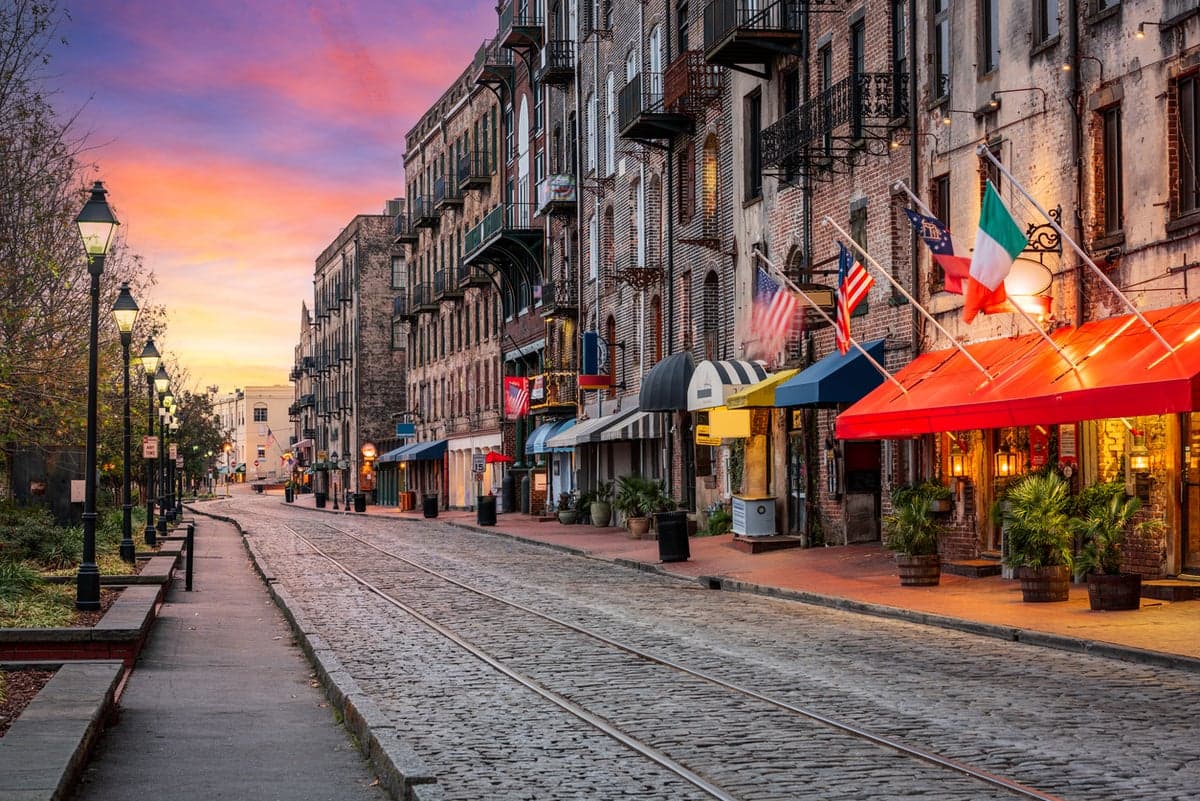
- •Savannah’s 22 squares create highly pedestrian-friendly historic district.
- •Santa Fe enforces adobe code preserving unique Southwestern aesthetic.
- •Madison’s Capitol Square sits on isthmus between two lakes.
- •Alexandria’s Old Town features colonial architecture and waterfront promenade.
Pulse Analysis
America’s downtown renaissance reflects a growing preference for pedestrian‑centric environments that blend history, culture, and convenience. Travelers increasingly seek neighborhoods where they can stroll from boutique hotels to landmark eateries without a car, and cities are responding by preserving architectural heritage and enhancing public spaces. This shift not only enriches visitor experiences but also supports local businesses, as foot traffic fuels retail, dining and hospitality sectors that thrive on spontaneous, walk‑in patronage.
Each of the seven highlighted districts showcases a distinct formula for success. Charleston’s extensive inventory of historic structures creates a living museum that attracts heritage tourists, while Savannah’s 22 meticulously planned squares provide a green, shaded network ideal for leisurely exploration. Santa Fe’s strict adobe zoning safeguards its iconic Southwestern palette, drawing art lovers to over 250 galleries. Madison leverages its unique isthmus setting, offering lakefront vistas that complement the Capitol’s grandeur, and Providence’s European‑style streetscapes appeal to foodies and design enthusiasts alike. Boise’s tree‑lined oasis and Alexandria’s colonial waterfront further illustrate how natural and historical assets can be woven into vibrant, walkable cores.
The broader implication is clear: walkable downtowns are becoming economic engines and cultural beacons. Cities that invest in pedestrian infrastructure, historic preservation, and mixed‑use development can attract higher‑spending tourists, retain talent, and foster community cohesion. As remote work normalizes and travelers prioritize authentic, immersive experiences, the demand for such walkable, aesthetically rich urban centers is set to rise, prompting more municipalities to emulate these successful models.
7 of the most beautiful downtowns in America — and they’re all walkable
Comments
Want to join the conversation?
Loading comments...