A Holiday in the Isolated Faroe Islands Is the Perfect Solution to Overtourism – for Now
•March 12, 2026
0
Why It Matters
Rising tourism threatens the Faroe Islands' fragile ecosystems and cultural fabric, making sustainable management essential for preserving this unique destination and providing a model for other regions facing overtourism.
Key Takeaways
- •Remote archipelago draws increasing UK visitors
- •23 tunnels connect islands, enabling car travel
- •Closed for Maintenance limits access to fragile sites
- •Population 55,000, tourism still modest
- •Flights from London start at £120 one‑way
Pulse Analysis
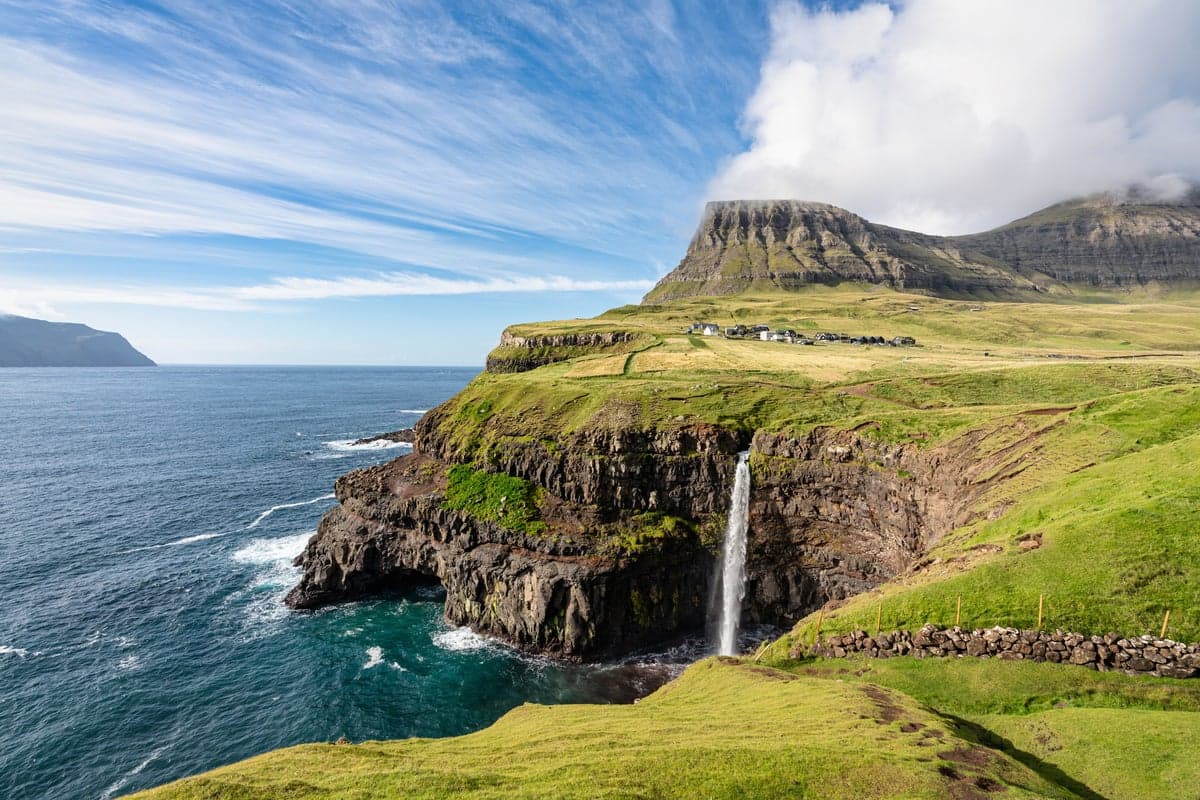
Europe’s popular destinations are grappling with overtourism, prompting travelers to seek quieter alternatives. The Faroe Islands, perched between Iceland, Norway, and Scotland, have emerged as a low‑profile haven, attracting adventure‑seeking tourists from the UK and beyond. Their dramatic cliffs, mist‑shrouded waterfalls, and sparse population offer a stark contrast to crowded capitals, positioning the islands as a premium escape for those craving authenticity and solitude.
Infrastructure development has been pivotal in shaping the visitor experience while safeguarding the environment. A network of 23 tunnels—including four subsea passages—allows seamless car travel across the 540‑square‑mile archipelago, reducing reliance on ferries and minimizing ecological disturbance. Simultaneously, the government’s "Closed for Maintenance" program temporarily shuts popular trails each April, permitting only volunteer groups to repair paths and protect delicate flora. This proactive approach balances accessibility with conservation, ensuring that tourism growth does not outpace the islands’ capacity.
For tourists, the Faroe Islands deliver more than scenery; they offer cultural immersion in a community where everyone knows each other. Local enterprises such as Gudrun & Gudrun and the Oy brewery showcase homegrown craftsmanship, while homestay supper clubs let visitors share meals with residents. Economically, the modest influx supports jobs without overwhelming services, but sustained vigilance is required. As flight options expand and marketing highlights the islands’ allure, policymakers must refine visitor caps and community‑focused initiatives to preserve the Faroe Islands’ unique charm for future generations.
A holiday in the isolated Faroe Islands is the perfect solution to overtourism – for now
0
Comments
Want to join the conversation?
Loading comments...