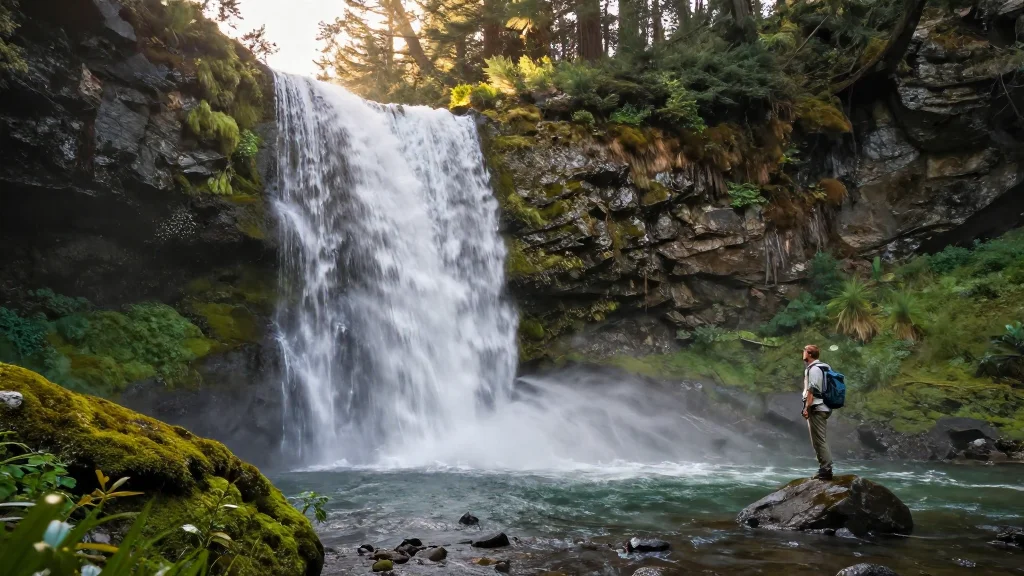
A Remote Northern California Waterfall Has Gotten so Popular that Reservations Are Required
Why It Matters
The move signals a shift toward demand‑managed access in public lands, protecting fragile ecosystems while preserving visitor experience. It also provides a template for other over‑visited parks facing social‑media‑driven crowds.
Key Takeaways
- •Reservations required Friday‑Sunday and holidays from May 15 to Sept 27.
- •Peak 322,192 visitors in 2020; ~220k now each year.
- •Day‑use passes cost $11 per vehicle; annual pass holders exempt.
- •Overcrowding caused trail erosion, vegetation loss, and highway safety hazards.
Pulse Analysis
Social‑media platforms have turned many hidden natural gems into viral destinations, and Burney Falls is a textbook example. Instagram reels of cascading water and TikTok tours have drawn crowds far beyond the park’s historic capacity, echoing trends seen at places like Antelope Canyon and Iceland’s waterfalls. The resulting foot traffic accelerates soil compaction, erodes trails, and threatens sensitive plant species, while the influx of cars strains rural highways that double as emergency evacuation routes. Managing this new wave of tourism requires tools beyond traditional signage.
California State Parks’ reservation pilot tackles the problem by allocating a fixed number of parking permits for morning, afternoon, and full‑day slots, each priced at $11 per vehicle. The system mirrors reservation models used at Yosemite and the Grand Canyon, where timed entry helps spread visitor flow and reduces peak‑hour congestion. By requiring reservations on Fridays, Saturdays, Sundays, and holidays, the park can better predict daily demand, allocate staff, and limit environmental wear. Early data suggest shorter wait times and less illegal roadside parking, improving both safety and the overall visitor experience.
The broader implication is a shift toward revenue‑linked capacity controls that balance access with conservation. As state budgets tighten, reservation fees provide a modest but reliable funding stream for trail repairs and habitat restoration, while also encouraging visitors to plan trips responsibly. If the Burney Falls pilot proves successful, it could become a blueprint for other over‑visited sites across the West, prompting policymakers to adopt similar demand‑management strategies that safeguard natural resources without outright restricting public enjoyment.
A remote Northern California waterfall has gotten so popular that reservations are required
Comments
Want to join the conversation?
Loading comments...