Key Takeaways
- •Four‑year photographic journey reveals Karoo’s hidden biodiversity.
- •Images juxtapose stunning scenery with stark poverty.
- •Boer War concentration camps remain largely undocumented, especially Black sites.
- •Farm guesthouses and roadside culture become visual storytelling hubs.
- •Project challenges perception of Karoo as merely a transit corridor.
Pulse Analysis
The Karoo stretches across 400,000 sq km of South Africa’s interior, linking the Cape winelands with the Highveld. Though often dismissed as a dusty backroad, the semi‑arid region supports more than 9,000 plant species, a rich bird community and iconic wildlife such as antelope and meerkats. Its dramatic koppies, seasonal wildflower carpets and expansive skies have attracted niche tourism, yet the area remains under‑invested in infrastructure and conservation. Understanding the Karoo’s ecological assets is essential for balancing agricultural pressures with sustainable land‑use strategies that can protect its unique flora while supporting local livelihoods.
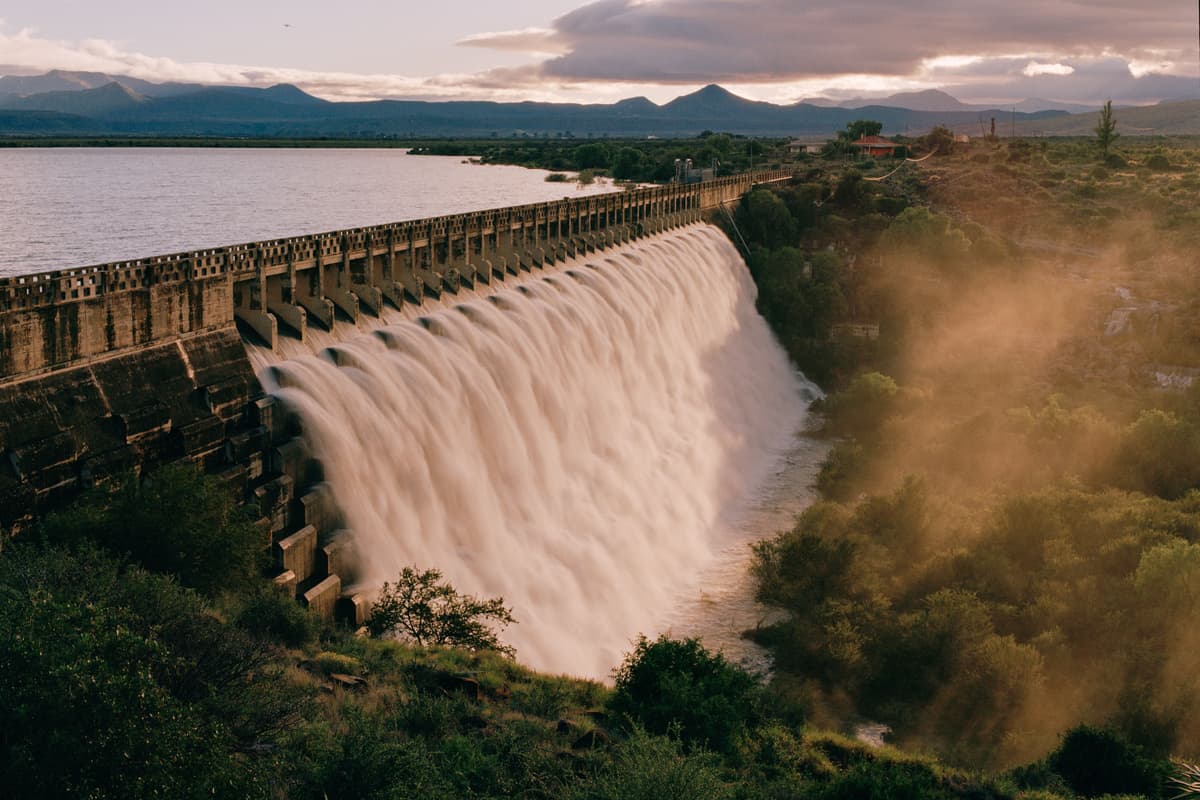
Photographer Carl van der Linde has turned the Karoo into a living archive, spending four years driving its length, stopping at farm guesthouses, and photographing everything from overflowing dams to a rolled‑over car on a remote road. His lens captures a paradox: vivid natural beauty alongside visible poverty and the lingering scars of the 1900‑1902 South African War. By documenting the near‑absence of memorials for Black concentration‑camp victims, van der Linde exposes a gap in the nation’s collective memory. The resulting body of work serves both as artistic expression and as a sociocultural record that challenges the dominant Afrikaner narrative.
The visual testimony generated by van der Linde’s project could influence heritage policy and rural development initiatives. Highlighting forgotten histories may spur efforts to locate and commemorate neglected sites, while the striking images of biodiversity can bolster eco‑tourism campaigns aimed at attracting responsible travelers. For investors and NGOs, the Karoo presents an opportunity to fund community‑based conservation and infrastructure projects that preserve its natural capital. In a broader sense, the series underscores how immersive storytelling can reshape perceptions of remote regions, turning a perceived transit zone into a destination worthy of cultural and economic attention.
A Road Trip Through South Africa’s Karoo
Comments
Want to join the conversation?