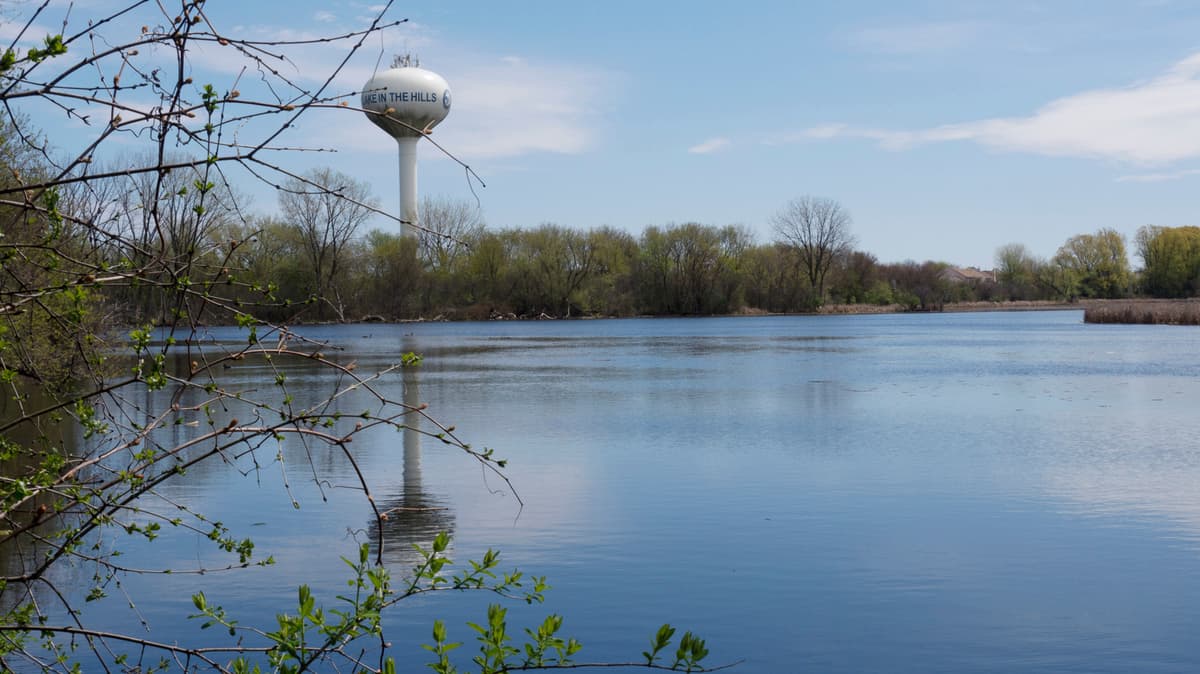
A Thriving Illinois Village Outside Chicago Offers Lakes, Parks, And A Scenic Nature Preserve
•March 12, 2026
0
Why It Matters
The article highlights a growing suburban tourism market that diversifies Chicago’s visitor economy and supports local hospitality businesses. Its proximity and amenities encourage day‑trippers, boosting regional spending while promoting conservation awareness.
Key Takeaways
- •Lake in the Hills lies one hour from Chicago
- •Woods Creek Lake offers swimming, fishing for residents' guests
- •Fen Conservation Area spans 260 acres of prairie wetlands
- •Sunset Park hosts annual Summer Sunset Festival
- •Over 30 parks provide sports, trails, and family amenities
Pulse Analysis
Chicago’s award‑winning cityscape draws millions, but the surge in demand for quick nature getaways has turned nearby suburbs into hot spots. Lake in the Hills, just a 60‑minute drive north, leverages its network of lakes—including the popular Woods Creek Lake—to offer swimming, fishing and family picnics without the crowds of larger beaches. Easy highway access and modest parking make it a practical choice for both locals and tourists seeking a break from urban bustle, positioning the village as a premier day‑trip hub.
The village’s natural assets extend beyond water recreation. The 260‑acre Fen Conservation Area preserves rare prairie fens, supporting wildflowers, butterflies and peat‑forming wetlands that attract ecologists and casual hikers alike. Adjacent Exner Marsh Conservation Area provides a 1.3‑mile trail through glacial marshland, a hotspot for wetland bird species such as great egrets and blue‑winged teals. These protected zones not only enrich biodiversity but also serve educational purposes, reinforcing Illinois’ broader commitment to conserving mid‑west ecosystems within easy reach of a major metropolis.
Recreation translates into revenue as Lake in the Hills’ 30‑plus parks host sports leagues, playgrounds and the annual Summer Sunset Festival, drawing crowds that fill local hotels and eateries. Amenities like the Holiday Inn and a stop at Intelligentsia coffee shop extend the visitor experience, while community events foster a strong sense of place. As suburban tourism continues to grow, the village’s blend of outdoor amenities, conservation areas and hospitality infrastructure positions it to capture a larger share of Chicago’s leisure spending.
A Thriving Illinois Village Outside Chicago Offers Lakes, Parks, And A Scenic Nature Preserve
0
Comments
Want to join the conversation?
Loading comments...