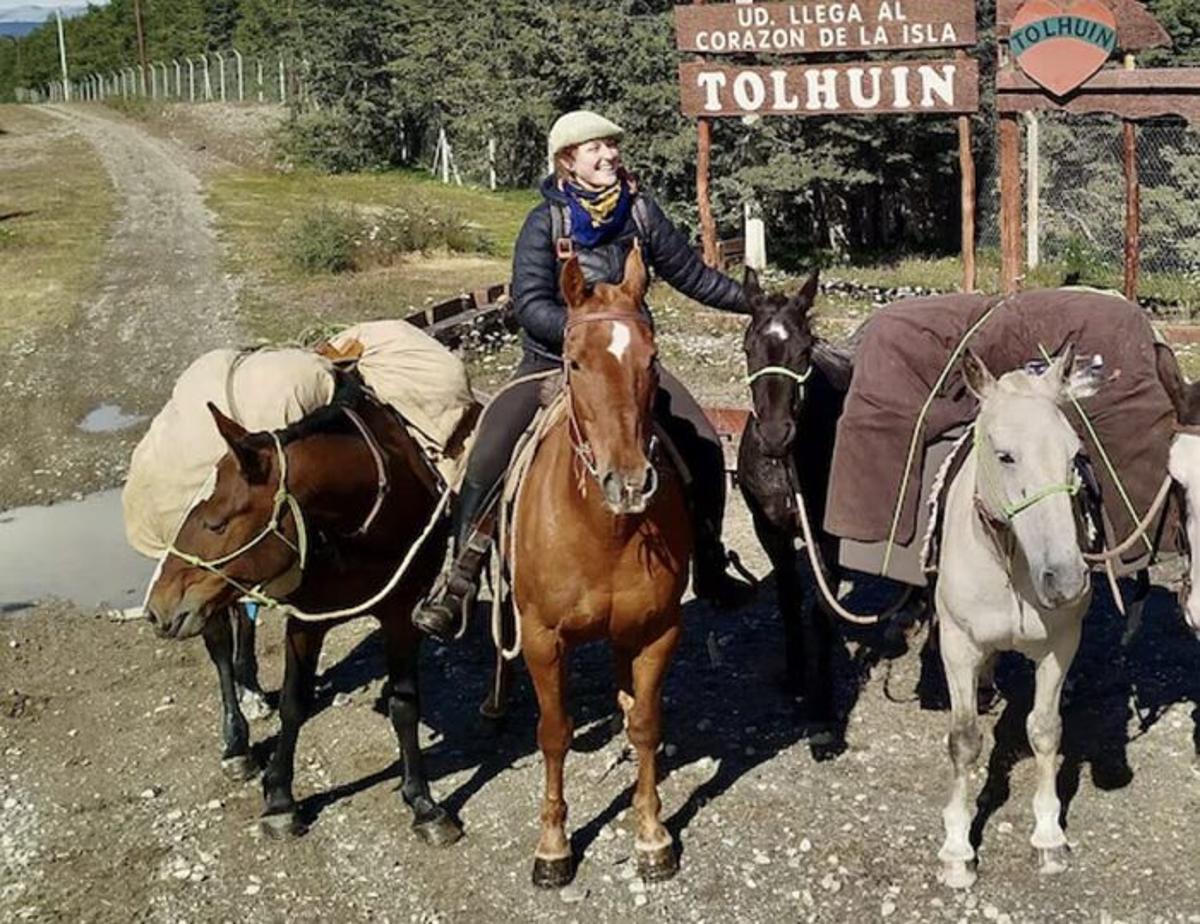
A Woman Is Riding 25,000Km on Horseback Across the Americas
Why It Matters
Cazes’s solo, self‑funded expedition showcases the growing niche of extreme adventure tourism and highlights complex cross‑border equine logistics, offering insights for regulators and sponsors alike.
Key Takeaways
- •Olivia Cazes has covered 2,850 km of a 30,000 km route.
- •Daily travel averages 20‑25 km, dictated by horse stamina.
- •Customs require horse passports; Chilean horses used for 200 km stretch.
- •Journey expected to last five more years, self‑funded.
- •Few have completed the Pan‑American horseback trek; last in 2020.
Pulse Analysis
The resurgence of ultra‑long‑distance expeditions reflects a broader appetite for authentic, low‑tech travel experiences that contrast sharply with digital saturation. Olivia Cazes’s trek, undertaken on a modest budget while completing graduate research, underscores how individual adventurers can leverage social media to attract niche sponsorships and build a community of followers eager for real‑time storytelling. This model is prompting tourism boards and outdoor brands to reconsider how they support and market such journeys, especially in regions where traditional infrastructure is sparse.
Logistical complexity is a defining feature of trans‑continental horseback travel. Cazes must navigate a patchwork of veterinary regulations, customs paperwork, and seasonal weather patterns, all while ensuring the health of her horses. The requirement for sanitary booklets and the need to swap horses at the Argentine‑Chilean border illustrate the intricate coordination required between agricultural authorities and travelers. These challenges highlight potential market opportunities for specialized services—such as portable quarantine facilities and cross‑border equine insurance—that could streamline future expeditions.
Culturally, the Pan‑American Highway remains a symbolic artery linking diverse ecosystems and communities. By traversing Patagonia’s plains, the Andes, tropical lowlands, and ultimately the Arctic, Cazes offers a living survey of environmental change and indigenous practices along the route. Her pause to work as a horseback guide in Kyrgyzstan further emphasizes the global exchange of traditional horsemanship skills. As climate concerns rise, such ground‑level observations become valuable data points for researchers, while the narrative itself fuels a renewed public fascination with endurance travel and the human‑animal partnership at its core.
A Woman is Riding 25,000Km on Horseback Across the Americas
Comments
Want to join the conversation?
Loading comments...