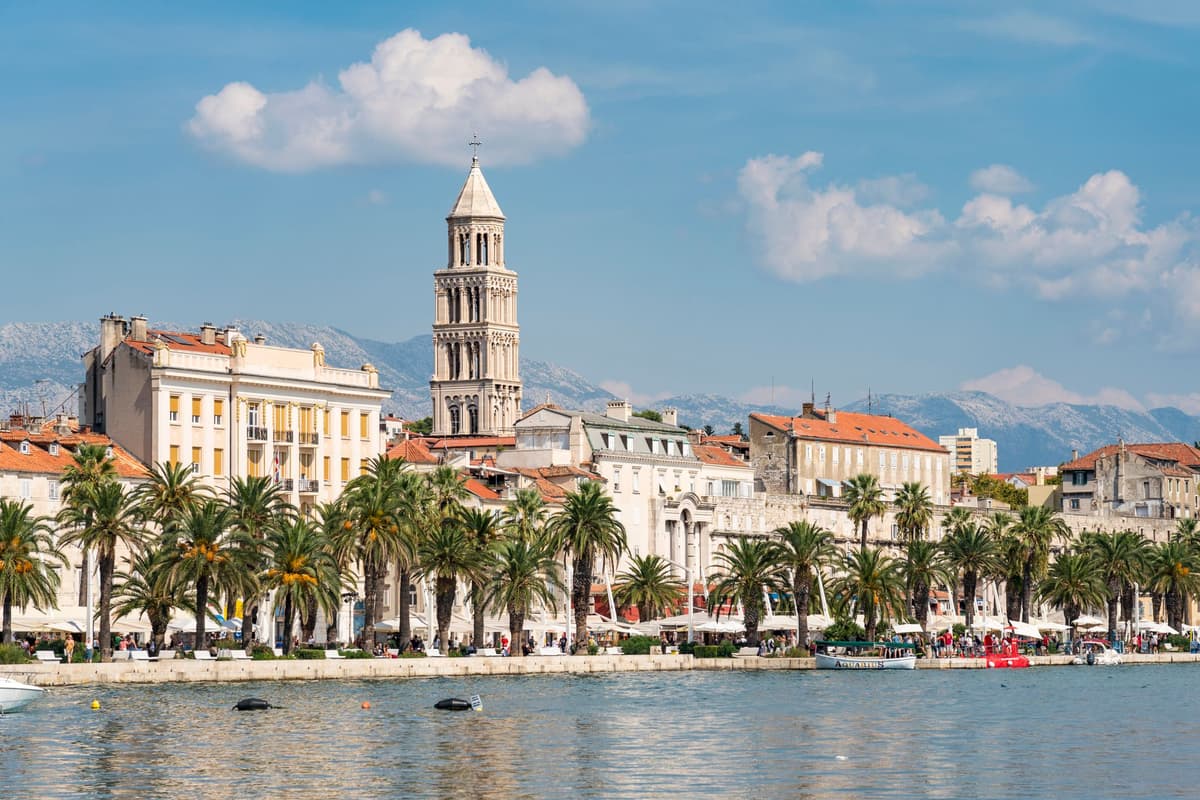
An Essential Guide to Croatia's Dalmatian Coast—Which Now Has Direct Flights From the US
Why It Matters
Direct US access simplifies travel to Dalmatia, likely spurring a surge in American tourism and boosting the local economy.
Key Takeaways
- •United Airlines began Newark‑Split nonstop flights in April 2026
- •Direct route cuts travel time to Dalmatia by 12 hours
- •Split serves as gateway to islands like Brač and Šolta
- •Dalmatian cuisine, wine and olive oil draw culinary tourists
- •Increased US connectivity expected to boost regional tourism revenue
Pulse Analysis
The inauguration of United Airlines’ Newark‑Split nonstop service reflects a broader shift in transatlantic travel, where carriers are targeting niche European destinations with strong lifestyle appeal. For U.S. travelers, the route eliminates a cumbersome multi‑stop itinerary, reducing total journey time by roughly a day. This convenience aligns with rising demand for authentic, slower‑pace vacations, especially among millennials and affluent retirees who prioritize cultural immersion over traditional beach resorts. By offering a direct link to Split, United taps into a market eager for Mediterranean experiences without the logistical hassle of connecting flights.
Dalmatia’s allure extends beyond its crystal‑clear Adriatic waters; the region boasts a layered heritage that spans Roman, Venetian and Ottoman influences. Split’s Diocletian’s Palace, a UNESCO‑listed living museum, anchors a vibrant culinary scene where local wines like Plavac Mali and olive oils complement fresh seafood. Nearby islands such as Brač and Šolta provide contrasting landscapes—from the iconic horn‑shaped Zlatni Rat beach to tranquil olive groves—catering to both adventure seekers and relaxation‑focused tourists. The direct flight amplifies these offerings, encouraging longer stays and multi‑island itineraries that were previously limited by travel complexity.
Economically, the new air corridor is poised to inject significant revenue into Croatia’s tourism sector, which contributed roughly 20% of the nation’s GDP pre‑pandemic. Early forecasts suggest a 15‑20% uplift in U.S. visitor arrivals within the first two years, translating into higher occupancy rates for boutique hotels, increased demand for local guides, and expanded markets for regional products like Pošip wine and Dobričić reds. Moreover, the route may stimulate ancillary investments, such as upgraded ferry services and sustainable tourism initiatives, ensuring that growth balances visitor experience with environmental stewardship. As airlines continue to explore underserved European hubs, Dalmatia’s direct connection could serve as a model for leveraging cultural richness to drive economic resilience.
An Essential Guide to Croatia's Dalmatian Coast—Which Now Has Direct Flights From the US
Comments
Want to join the conversation?
Loading comments...