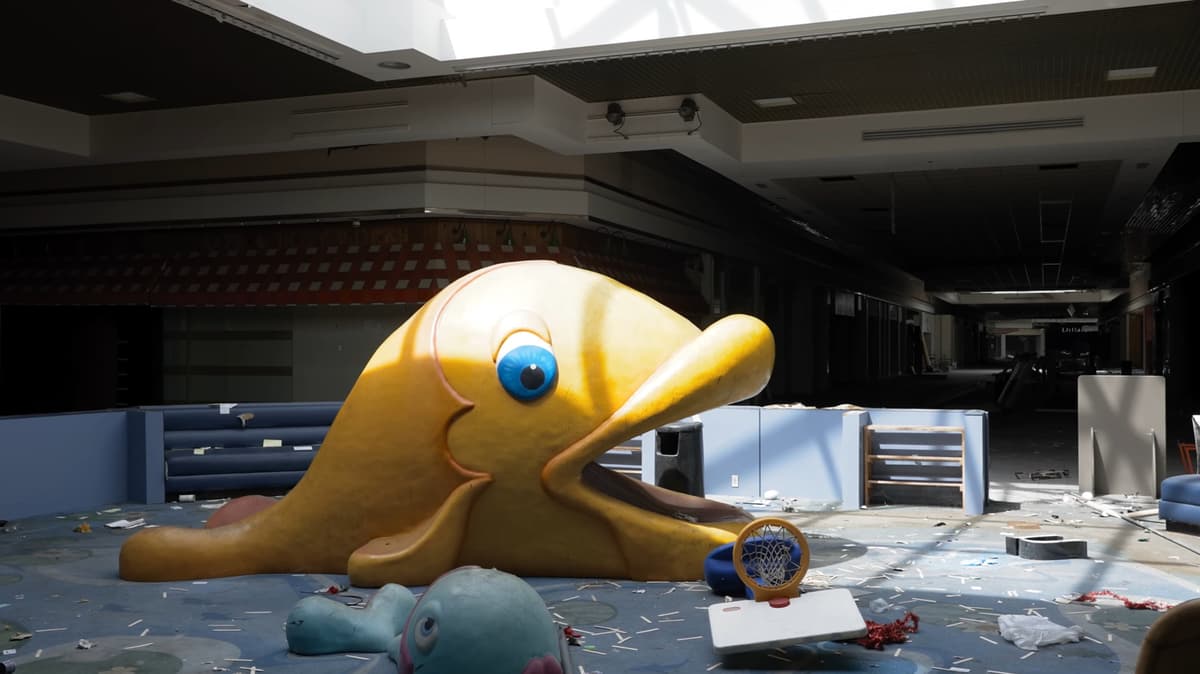
Arkansas' Once-Thriving Indoor Shopping Mall Is Now An Abandoned Retail Relic
Why It Matters
The mall’s decline exemplifies the nationwide wave of retail closures reshaping mid‑size American cities, while any redevelopment could revitalize Pine Bluff’s stagnant commercial corridor.
Key Takeaways
- •Pines Mall opened 1986 with major department‑store anchors
- •Mall shuttered permanently in 2020 after tenant loss
- •Only Dillard's continues operating on the site
- •Urban explorers report fleas and legal trespassing risks
- •Proposed "mall farm" redevelopment remains unproven
Pulse Analysis
Across the United States, the rise of e‑commerce and shifting consumer habits have turned once‑thriving shopping centers into vacant relics. Analysts label these sites "dead malls," a symptom of broader retail disruption that erodes local tax bases and leaves large parcels of underutilized land. Cities grapple with the challenge of repurposing these structures, balancing community needs against the high costs of demolition or renovation.
The Pines Mall illustrates this trend on a micro‑scale. Built in 1986, it once housed Sears, JCPenney, Dillard's and a variety of specialty retailers, serving Pine Bluff’s regional shoppers. After years of declining foot traffic, the mall closed its doors in 2020, leaving a cavernous interior of broken storefronts and an empty movie theater. While the attached Dillard's remains open, the rest of the complex has become a magnet for urban explorers, who document its eerie corridors on social media despite legal warnings and reports of flea infestations.
Local officials and developers have floated creative reuse ideas, most notably a "mall farm" concept that would convert the space into an indoor agricultural hub. Such proposals face logistical hurdles, from zoning constraints to financing, yet they also offer a pathway to inject jobs and activity back into Pine Bluff’s economy. If successfully implemented, the redevelopment could serve as a case study for other towns wrestling with similar dead‑mall dilemmas, highlighting how adaptive reuse can transform blighted assets into community assets.
Arkansas' Once-Thriving Indoor Shopping Mall Is Now An Abandoned Retail Relic
Comments
Want to join the conversation?
Loading comments...