Ayahuasca Retreat: What They're Really Like—And How to Choose One

Why It Matters
As psychedelic decriminalization spreads in the United States, demand for authentic ayahuasca experiences is rising, creating a niche market that blends wellness tourism with cultural preservation. Understanding the legal, therapeutic, and operational nuances is crucial for travelers, investors, and policymakers navigating this emerging sector.
Key Takeaways
- •Ayahuasca retreats blend Indigenous rituals with modern therapeutic support.
- •Legal use limited to countries like Peru, Brazil, Colombia, Ecuador.
- •Preparatory diet and integration sessions are essential for safe experiences.
- •Leading centers offer multi‑day programs with experienced Shipibo healers.
- •U.S. decriminalization trends boost demand for overseas ayahuasca travel.
Pulse Analysis
The resurgence of interest in psychedelic medicine has placed ayahuasca at the forefront of wellness tourism. Scientific studies suggest potential benefits for depression, PTSD, and addiction, while cultural narratives emphasize its role as a spiritual teacher. This dual appeal drives travelers to seek authentic ceremonies in regions where the plant is legally protected, positioning countries like Peru and Brazil as de‑facto hubs for regulated psychedelic experiences.
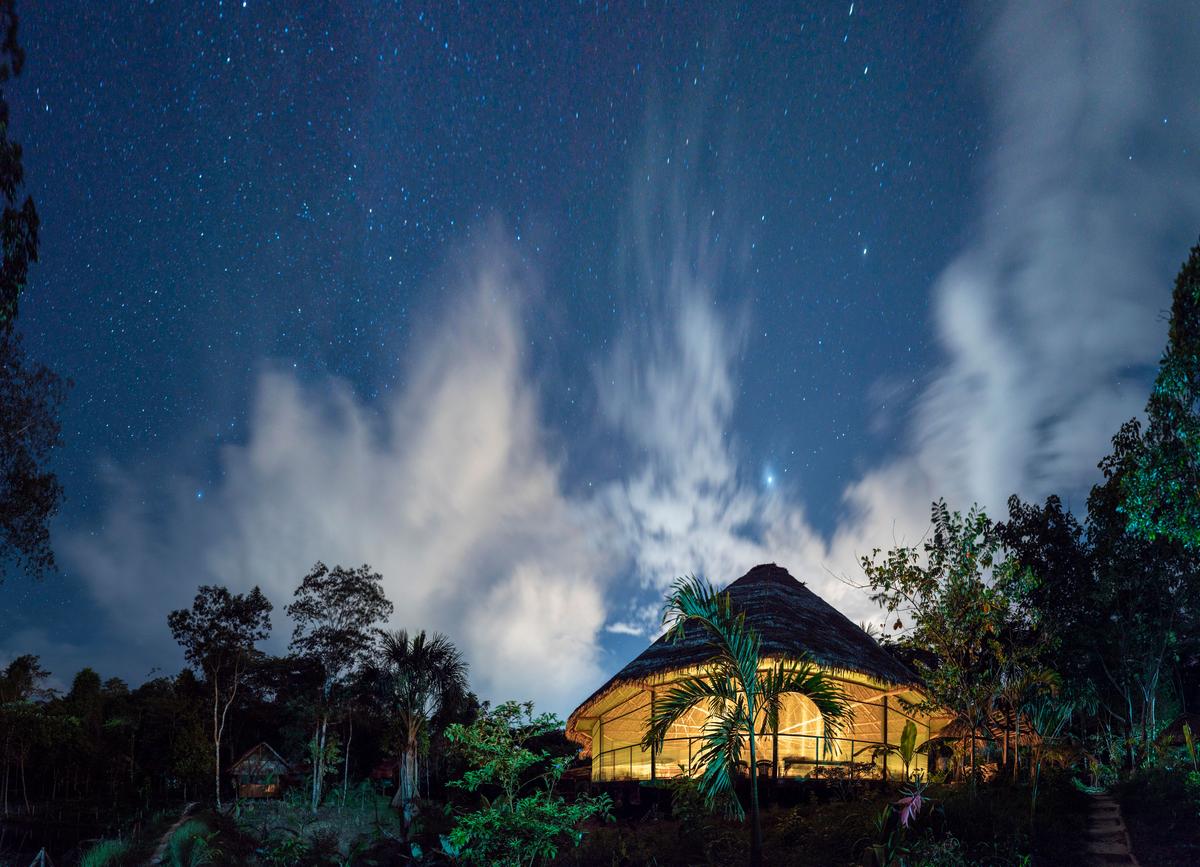
Operationally, reputable retreats enforce a rigorous preparatory regimen—dietary restrictions, abstinence from stimulants, and mental readiness—to minimize adverse reactions. Ceremonies typically unfold in a maloca, beginning at sunset and lasting six hours, with participants consuming three small doses of the brew. Guided by Shipibo or Kichwa healers, the sessions incorporate rapé cleansing, icaro chanting, and communal purging, followed by structured integration circles that help translate visionary insights into lasting personal growth.
The market implications are significant. As U.S. states decriminalize psychedelics, outbound demand for legally sanctioned ayahuasca journeys is accelerating, prompting investment in infrastructure, training, and cross‑border health protocols. Stakeholders must balance commercial expansion with respect for Indigenous intellectual property and ecological sustainability. Future regulatory frameworks may formalize certification for retreat centers, ensuring safety standards while preserving the cultural integrity that makes ayahuasca a unique therapeutic modality.
Ayahuasca Retreat: What They're Really Like—And How to Choose One
Comments
Want to join the conversation?
Loading comments...