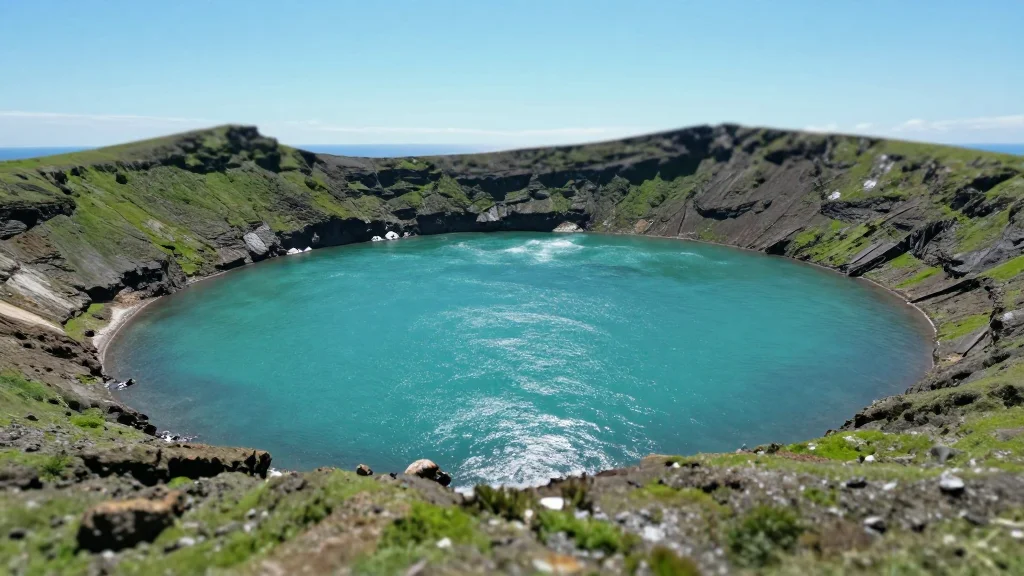
Azores’ Vila Franca Islet Reopens for Swimmers, Boosting Summer Tourism

Why It Matters
The return of Vila Franca do Campo’s crater pool restores one of the Azores’ flagship attractions, directly influencing the region’s tourism revenue and employment during the peak summer months. By demonstrating that rigorous environmental controls can coexist with visitor access, the reopening sets a precedent for other nature‑based destinations facing similar water‑quality challenges. Moreover, the islet’s status within the Natura 2000 network and UNESCO Geopark highlights the growing importance of sustainable tourism models that protect biodiversity while delivering economic benefits. Success here could encourage further investment in eco‑friendly infrastructure across the archipelago, reinforcing the Azores’ brand as a pristine, responsibly managed travel destination.
Key Takeaways
- •Vila Franca do Campo’s volcanic crater pool reopens after a full‑season ban in 2025.
- •Daily visitor limit set at 400 people, with a maximum of 200 inside the crater at once.
- •Ticket prices: €6 (≈$6.50) for residents, €10 (≈$11) for non‑residents.
- •Projected economic impact exceeds €3.5 million (≈$3.8 million) per season.
- •Strict environmental safeguards remain, including ongoing water‑quality monitoring.
Pulse Analysis
The decision to reopen Vila Franca do Campo’s lagoon reflects a broader shift in the travel industry toward resilient, nature‑based tourism. After years of water‑quality setbacks, the Azores authorities have leveraged scientific monitoring and targeted wildlife management to restore a high‑demand asset without compromising its ecological integrity. This approach mirrors successful models in other European coastal regions, where capacity caps and reservation systems have mitigated over‑tourism while preserving natural attractions.
Financially, the islet’s reopening is a micro‑economic catalyst for São Miguel. With an estimated $3.8 million injection, local businesses can offset the lingering effects of the pandemic and the 2025 ban. The revenue per visitor aligns with broader Mediterranean island benchmarks, suggesting that the Azores can command premium pricing for unique experiences, especially when paired with robust environmental credentials.
Looking ahead, the real test will be the durability of the water‑quality improvements. Continuous monitoring, adaptive management, and transparent reporting will be essential to maintain visitor confidence and protect the Natura 2000 designation. If the Azores can sustain this balance, it may serve as a template for other volcanic islands seeking to monetize natural wonders without eroding the very ecosystems that attract travelers.
Azores’ Vila Franca Islet Reopens for Swimmers, Boosting Summer Tourism
Comments
Want to join the conversation?
Loading comments...