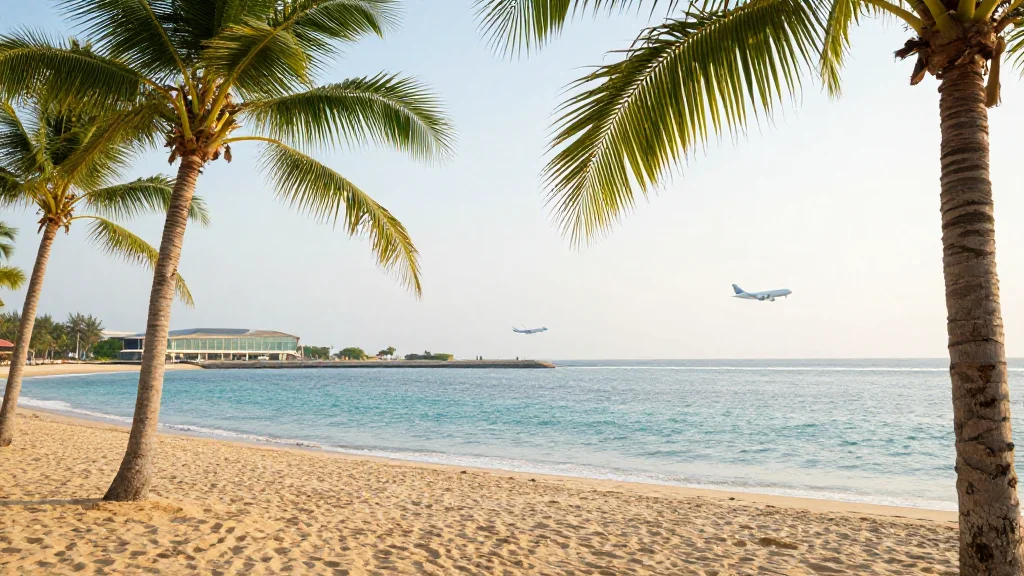
Bali’s High Season Hits Early: Airports Brace for 65,000 Daily Travelers, Hotels Near 70% Occupancy

Why It Matters
Bali’s early high‑season surge underscores the island’s resilience as a premier global beach destination, even as geopolitical tensions dampen travel elsewhere. The rapid rise in airport traffic and hotel occupancy signals robust consumer confidence, which can buoy Indonesia’s broader tourism‑dependent economy. At the same time, the pressure on infrastructure and natural resources highlights the need for sustainable scaling, a challenge that will shape policy and investment decisions for years to come. For travelers, the timing means that booking windows are tightening and prices are likely to climb ahead of the traditional peak months. Understanding the evolving crowd patterns helps tourists plan more efficiently, avoid bottlenecks, and make the most of Bali’s cultural events and natural attractions during a period of heightened activity.
Key Takeaways
- •I Gusti Ngurah Rai International Airport handling up to 65,000 international passengers daily in late May 2026
- •Kuta hotel occupancy reaching 60‑70% in May, well ahead of the typical June start
- •Early high‑season driven by school‑break calendars and perception of Bali as a safe destination
- •Upcoming long weekend from May 22 expected to push occupancy even higher
- •Tourism board forecasts a 12% rise in visitor spending compared with May 2025
Pulse Analysis
Bali’s premature high‑season kickoff reflects a broader post‑pandemic rebound where travelers are gravitating toward destinations that combine beach leisure with cultural depth. The island’s ability to attract 65,000 daily international arrivals—far exceeding pre‑COVID figures—signals that airlines and tour operators view Bali as a low‑risk, high‑reward market. This confidence is reinforced by Indonesia’s relatively open visa policies and aggressive digital marketing campaigns targeting Chinese, Indian, and European tourists.
Historically, Bali’s peak season has been a predictable, calendar‑driven phenomenon. This year’s shift suggests that demand elasticity is increasing; travelers are less constrained by traditional holiday windows and more responsive to promotional incentives and perceived safety. The early surge also puts pressure on the island’s carrying capacity. While higher occupancy boosts revenue for hotels and ancillary businesses, it risks overtaxing water supplies, waste systems, and traffic networks—issues that have sparked community protests in past peak periods.
Looking forward, the success of Bali’s early high‑season could set a new benchmark for other Southeast Asian destinations. If the digital visitor‑information platform launched in June proves effective, it may become a template for real‑time crowd management, balancing economic gains with sustainability. Conversely, if congestion and price inflation erode the visitor experience, the island could see a swing back toward more dispersed, off‑peak tourism models. Stakeholders will need to monitor occupancy trends, price elasticity, and environmental impact metrics closely to ensure that Bali’s tourism engine remains both profitable and resilient.
Bali’s High Season Hits Early: Airports Brace for 65,000 Daily Travelers, Hotels Near 70% Occupancy
Comments
Want to join the conversation?
Loading comments...