Bali's Trash Fires Explained: What Travelers Need to Know Before They Go
Why It Matters
The deteriorating air quality threatens Bali’s tourism appeal and highlights the urgency of effective waste‑management solutions for the island’s economy and public health.
Key Takeaways
- •TPA Suwung stopped organic waste intake April 1, full closure Aug 1.
- •Fires push AQI to 150 in Kuta, Seminyak, Canggu.
- •Travelers with respiratory issues advised to monitor air quality apps.
- •Bali aims zero‑waste by 2027, but tourism waste overwhelms system.
- •96% of villages enforce plastic bans, yet organic trash remains problem.
Pulse Analysis
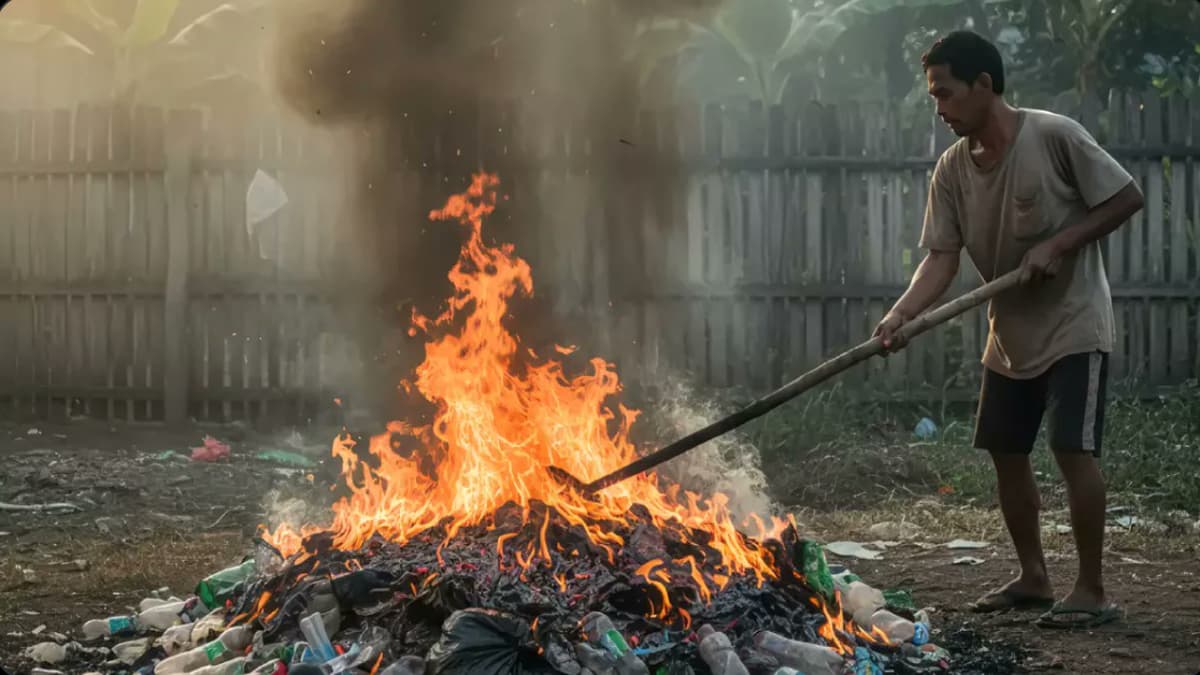
Bali’s long‑standing waste dilemma took a dramatic turn in early 2024 when the island’s 32‑hectare TPA Suwung landfill halted acceptance of organic material on April 1, with a final shutdown slated for August 1. The sudden policy shift left thousands of tons of daily household and hotel waste without a processing outlet. Lacking a ready‑made composting network, many residents and businesses resorted to open‑air burning, igniting piles of food scraps, yard trimmings and paper. The resulting smoke has quickly become a visible symptom of the island’s transitional growing‑pains.
The fires have driven air‑quality index (AQI) readings into the “unhealthy” range, regularly hitting 150 in tourist hotspots such as Kuta, Seminyak, Legian and Canggu. For visitors, especially those with asthma, allergies or young children, the haze reduces outdoor enjoyment and can trigger health alerts. Real‑time monitoring tools like IQAir and local government dashboards now guide travelers on when to limit beach walks or surf sessions, with early‑morning and evening periods being the most affected.
Bali’s government, under Governor Wayan Koster, continues to push an ambitious Clean Waste Movement that targets a zero‑waste island by 2027. Initiatives include mandatory household sorting, neighborhood recycling hubs and a planned composting infrastructure to replace Suwung’s organic capacity. While 96 % of the island’s traditional villages have already adopted plastic restrictions, the sheer volume of waste generated by the tourism sector remains a bottleneck. Visitors can support the transition by minimizing single‑use plastics, separating waste when possible, and choosing accommodations that demonstrate robust recycling practices.
Bali's Trash Fires Explained: What Travelers Need to Know Before They Go
Comments
Want to join the conversation?
Loading comments...