Berlin Rewards Eco-Friendly Tourists with Museum Tickets, Free Drinks
Why It Matters
By turning green actions into immediate rewards, BerlinPay encourages sustainable travel habits, potentially boosting visitor spending and setting a replicable model for cities seeking to balance tourism growth with climate goals.
Key Takeaways
- •BerlinPay pilot runs May 14–June 14, rewarding eco‑tourists.
- •40 Berlin businesses offer museum tickets, drinks, and water activities.
- •Program targets waterway tourism, aligning with city’s 7% water coverage.
- •Mirrors Copenhagen’s CopenPay, could become European sustainability model.
Pulse Analysis
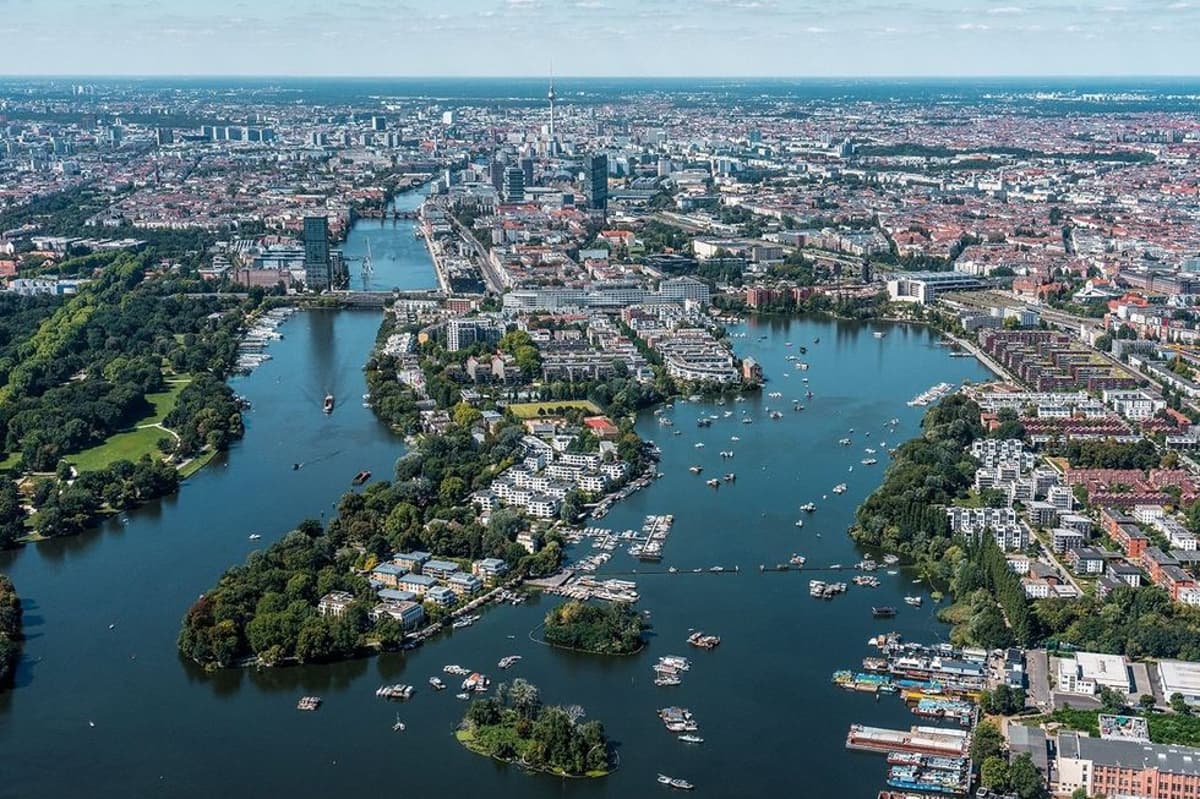
Sustainable tourism is rapidly moving from niche to mainstream, and cities with extensive waterways face a unique challenge: attracting visitors while protecting fragile aquatic ecosystems. Berlin, with nearly 60 square kilometres of water covering 7 percent of its area, has seen a surge in boat tours and waterfront activities that generate significant revenue but also increase litter and carbon footprints. Incentive‑based programs are emerging as a pragmatic solution, nudging travelers toward low‑impact choices without sacrificing the experiential appeal of a destination.
BerlinPay operationalizes this concept by linking concrete environmental actions to cultural and leisure rewards. Tourists who plant trees, clean riverbanks, or arrive on bicycles earn tickets to institutions like the Humboldt Forum, free drinks, and exclusive concerts at venues such as Hosek Contemporary. The involvement of 40 local businesses creates a micro‑economy where sustainable behavior directly fuels sales, merchandise, and repeat visitation. Early feedback suggests participants feel a stronger connection to the city, while partners report higher foot traffic during the pilot period, hinting at a win‑win for both the environment and the local economy.
The initiative builds on Copenhagen’s CopenPay, demonstrating how European cities can share best practices to scale green tourism. If successful, BerlinPay could inspire similar schemes in other water‑rich capitals, aligning tourism policy with broader climate commitments. Investors and municipal planners are watching closely, as the model promises measurable reductions in waste and emissions alongside incremental revenue growth—key metrics for cities aiming to future‑proof their tourism sectors.
Berlin rewards eco-friendly tourists with museum tickets, free drinks
Comments
Want to join the conversation?
Loading comments...