Between Fort Worth And Lubbock Is Texas' Abandoned Fort Turned Historic Site For Camping, Fishing, And Trails
Why It Matters
The site illustrates how historic preservation can be paired with outdoor recreation to drive regional tourism, generate revenue for nearby communities, and keep Texas frontier history accessible to a broad audience.
Key Takeaways
- •33 campsites span 5 acres, $12‑$30 nightly rates.
- •Free fishing, no license required, stocked with trout and bass.
- •Two short trails (0.4 mi, 1.3 mi) showcase river and wildlife.
- •Fort Griffin draws visitors from Fort Worth, Lubbell, Abilene.
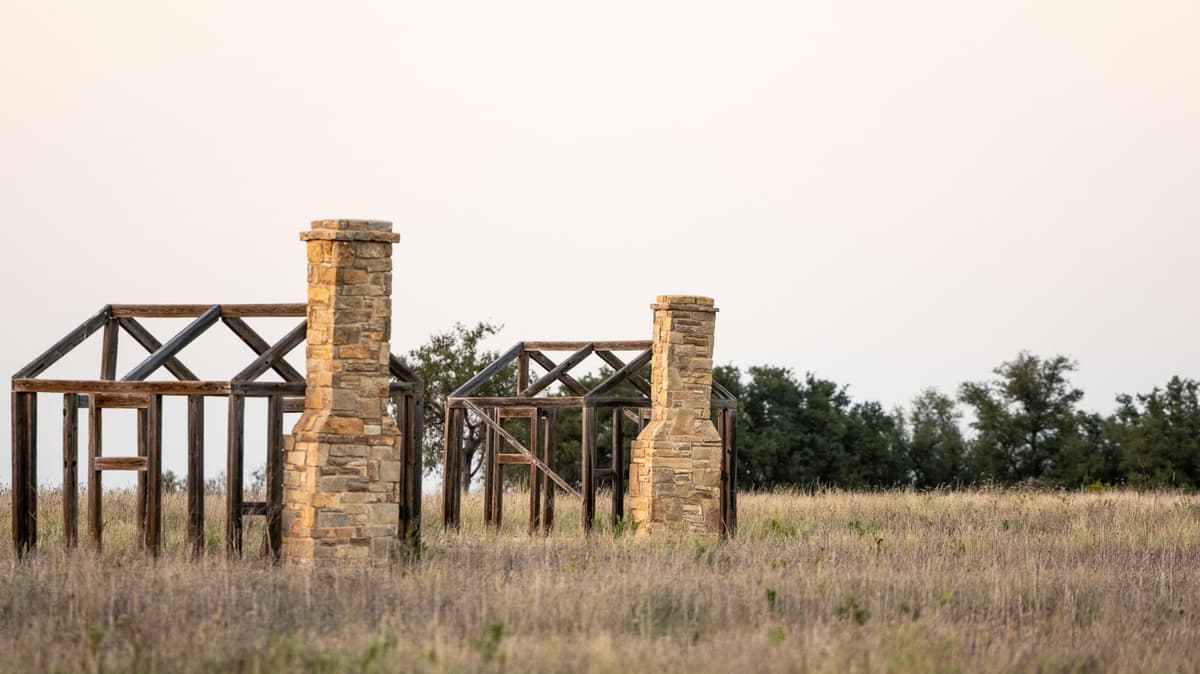
- •Historic ruins include bakery, officer quarters, sutler’s store.
Pulse Analysis
Fort Griffin’s transformation from a 19th‑century military outpost into a state historic center reflects a broader trend of repurposing heritage sites for modern tourism. Situated midway between Fort Worth and Lubbock, the 5‑acre complex preserves the narrative of the Red River War while offering interpretive tours that bring the frontier era to life. By integrating educational programming with natural amenities, the park appeals to history buffs, school groups, and cultural tourists seeking authentic Texas experiences beyond urban museums.
Outdoor recreation is the engine of the site’s growing popularity. With 33 campsites priced between $12 and $30 per night, the park provides affordable lodging options ranging from primitive tent spots to RV hookups with water and electricity. The on‑site pond, stocked by Texas Parks & Wildlife, offers free fishing without the need for a license—a rare incentive that attracts anglers from surrounding cities. This combination of low‑cost camping and complimentary angling creates a compelling value proposition, driving overnight stays and ancillary spending in nearby Breckenridge and Abilene.
The park’s trail network adds another layer of appeal. The 0.4‑mile Wohaw Loop and the 1.3‑mile Mill Creek Nature Trail deliver easy hikes that showcase the Clear Fork of the Brazos River, local butterfly species, and hummingbirds, catering to families and pet owners alike. Interpretive signage along these paths educates visitors about the fort’s original structures, from the bakery to the sutler’s store, reinforcing the site’s dual role as a recreational hub and a living museum. As demand for heritage‑linked outdoor experiences rises, Fort Griffin is poised to become a model for sustainable tourism that preserves history while stimulating the regional economy.
Between Fort Worth And Lubbock Is Texas' Abandoned Fort Turned Historic Site For Camping, Fishing, And Trails
Comments
Want to join the conversation?
Loading comments...