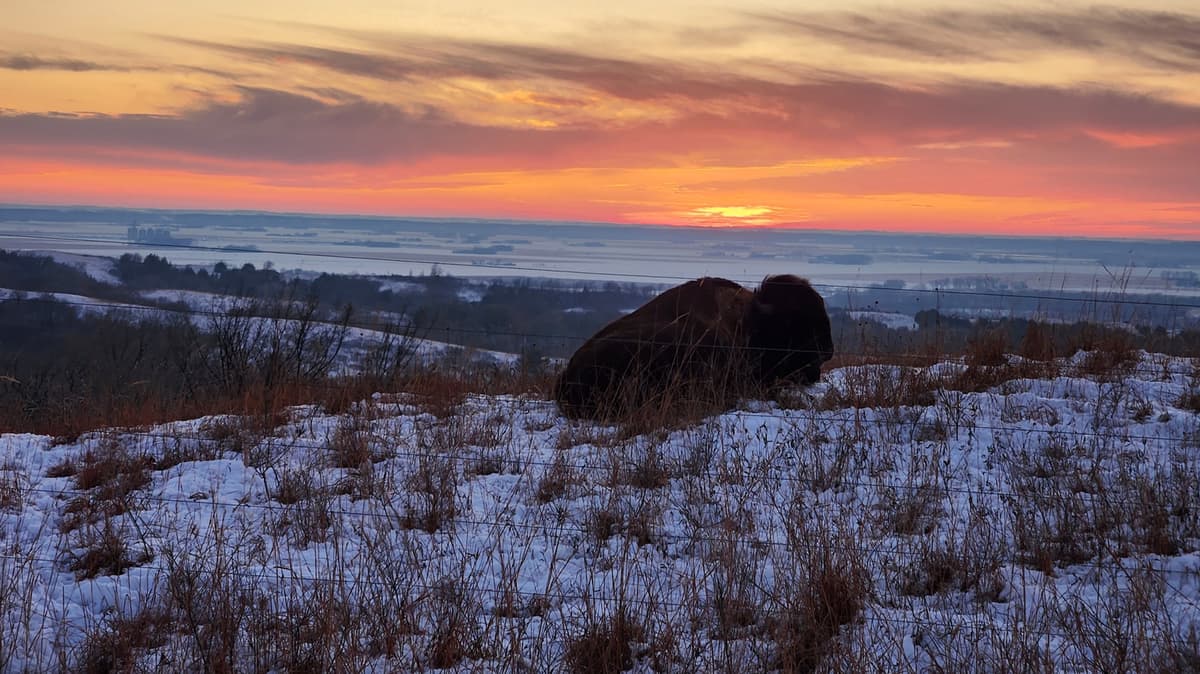
Between Sioux Falls And Omaha Is Iowa's Largest Remaining Prairie With Roaming Bison, Hiking, And Scenic Views
Why It Matters
Protecting the last extensive tallgrass prairie safeguards critical habitats and supports ecosystem services, while attracting nature‑based tourism that benefits the regional economy.
Key Takeaways
- •Broken Kettle protects Iowa's last 3,000‑acre tallgrass prairie.
- •Over 200 genetically pure bison graze, enhancing biodiversity.
- •Rare prairie rattlesnake discovery spurred intensified conservation measures.
- •Unmarked trails on Butcher Road offer self‑guided hiking experiences.
- •Nearby Sioux City provides lodging and dining for day‑trip visitors.
Pulse Analysis
Tallgrass prairies once stretched across the Midwest, yet today less than 1% remain due to agriculture and development. Broken Kettle Grasslands represents a rare, intact example of this ecosystem, anchored by the Loess Hills’ fertile soils. The Nature Conservancy’s decades‑long acquisition strategy has prevented further fragmentation, positioning the preserve as a living laboratory for restoration science and a benchmark for prairie resilience in a changing climate.
Ecologically, the herd of over 200 pure‑bred bison performs a keystone function: their grazing patterns promote plant diversity, create wallows that enhance soil moisture, and suppress invasive species more effectively than cattle. The presence of the prairie rattlesnake, a species listed as threatened in many states, underscores the habitat’s high conservation value. Together, these species support a complex food web that includes over 200 bird species, pollinators, and amphibians, reinforcing the prairie’s role in carbon sequestration and water filtration.
From a business perspective, Broken Kettle leverages its natural assets to draw visitors from nearby urban centers like Sioux City and Omaha. Day‑trippers contribute to local hospitality revenues, while partnerships with nearby camps and preserves expand the visitor experience without overburdening the core sanctuary. As demand for authentic outdoor recreation grows, the preserve’s sustainable access model—unmarked trails and strict wildlife guidelines—offers a blueprint for balancing ecological protection with economic opportunity. Continued investment in infrastructure and education will be crucial to maintain this equilibrium and ensure the prairie’s legacy for future generations.
Between Sioux Falls And Omaha Is Iowa's Largest Remaining Prairie With Roaming Bison, Hiking, And Scenic Views
Comments
Want to join the conversation?
Loading comments...