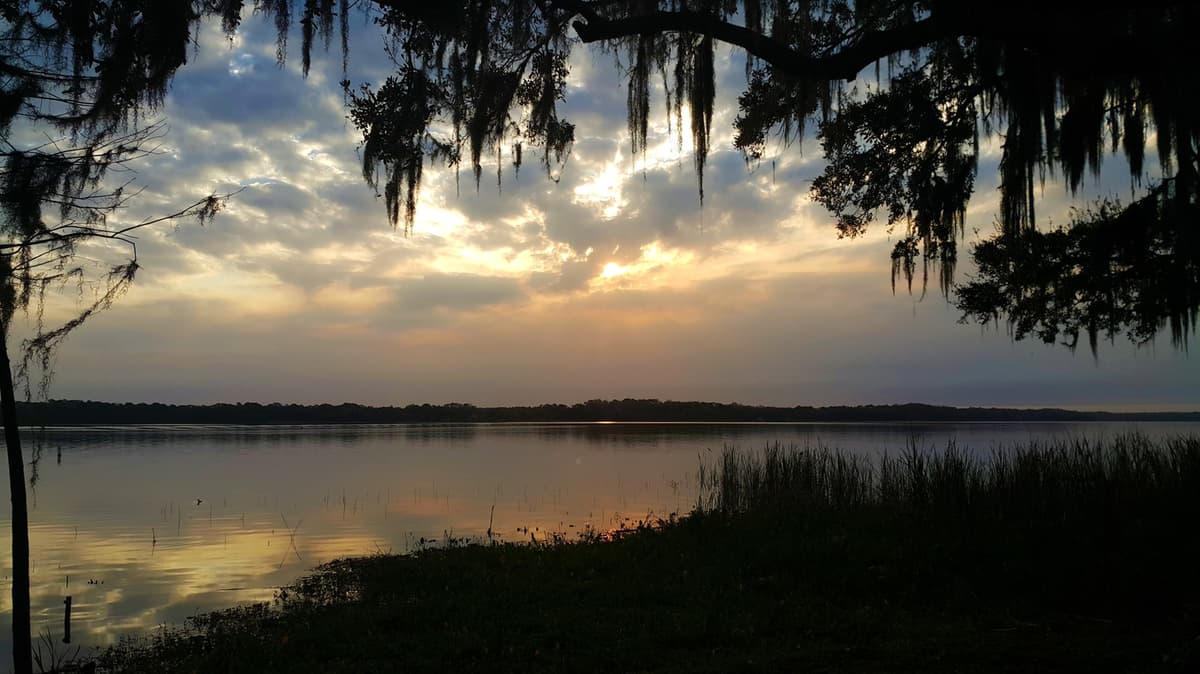
Between Tampa And Florida's Gulf Coast Is A Serene Lake For Fishing, Boating, And Scenic Views
Why It Matters
Lake Tarpon diversifies the Tampa Bay region’s tourism portfolio, driving local spending and supporting outdoor‑recreation jobs. Its popularity underscores the economic value of Florida’s freshwater assets alongside its famous beaches.
Key Takeaways
- •Lake Tarpon spans 2,534 acres, 16‑mile shoreline
- •Top‑ten Florida bass‑fishing destination per FWC
- •Two public launches: John Chesnut Sr. and A.L. Anderson Parks
- •Year‑round fishing; spring/fall peak for bass
- •Nearby marinas offer rentals, tours, and waterfront dining
Pulse Analysis
Florida’s tourism narrative has long centered on its sun‑kissed beaches, yet freshwater lakes like Tarpon are quietly reshaping the state’s recreational map. Situated just a 25‑minute drive from Tampa, Lake Tarpon’s expansive surface and shallow profile create ideal conditions for bass, bluegill and crappie, attracting anglers who seek consistent catches without the ocean’s volatility. The lake’s proximity to residential neighborhoods and easy access via two public boat ramps make it a convenient weekend getaway, complementing the region’s coastal offerings and extending visitor stay lengths.
The economic ripple effect of Lake Tarpon’s popularity is measurable. Bass‑fishing tournaments draw participants from across the Southeast, generating entry fees, lodging bookings and ancillary spending at local bait shops and restaurants. Marinas such as Tarpon Turtle Grill & Marina capture a share of boat‑rental revenue, while park amenities encourage ancillary purchases like gear rentals and guided tours. In a state where outdoor recreation contributes over $30 billion annually, even modest freshwater venues add meaningful tax revenue and support seasonal employment for guides, dock workers and hospitality staff.
Environmental stewardship remains central to sustaining Lake Tarpon’s appeal. The lake’s shallow depths make it vulnerable to nutrient runoff and algal blooms, prompting collaboration between the Florida Fish and Wildlife Conservation Commission and local municipalities to monitor water quality. Preserving shoreline vegetation not only sustains fish habitats but also provides refuge for alligators, turtles and migratory birds, enhancing the lake’s ecotourism draw. As climate‑resilient tourism gains traction, freshwater assets like Lake Tarpon are poised to become cornerstone attractions, balancing economic growth with ecological responsibility.
Between Tampa And Florida's Gulf Coast Is A Serene Lake For Fishing, Boating, And Scenic Views
Comments
Want to join the conversation?
Loading comments...